

You walk into your kitchen to grab a quick snack. Suddenly, you notice the digital display on your fridge actively flashing a strange combination of letters and numbers. Typically, an appliance should display the current temperature. However, when your machine flashes “E1,” “SY CE,” or “5Y EF,” you are officially dealing with refrigerator error codes. These flashing alerts often induce immediate panic for homeowners.
Fortunately, you do not need to panic. Modern appliances operate as highly intelligent machines. Instead of silently breaking down, they actively diagnose their own internal failures. Essentially, the computer board tells you exactly which component requires your attention. You simply need to translate its digital language.
Therefore, we created this comprehensive diagnostic guide. We will teach you how to quickly decipher the most common refrigerator error codes across all major brands. Furthermore, we will explain exactly how to test the failing components. You will learn when to order a cheap replacement part and when to call a professional technician.
💡 Mentor’s Diagnostic Hub
Error codes frequently point directly to severe electrical component failures. This translation guide serves as a crucial tool in our comprehensive master series on diagnosing sudden power failures, dead control boards, and compressor lock-ups.
What Are Refrigerator Error Codes?
Old appliances relied purely on mechanical gears and analog thermostats. Today, modern refrigerators utilize highly advanced electronic control systems. Specifically, a main computer motherboard actively monitors dozens of internal sensors.
The Diagnostic Communication System
This computer constantly checks the fan speeds, defrost temperatures, and compressor voltage. Consequently, if a sensor stops responding or reports dangerous data, the computer intervenes. It immediately shuts down the failing circuit to prevent an electrical fire. Simultaneously, the computer displays specific refrigerator error codes on the front screen.
The Automotive Comparison
You can easily compare this system to your car’s “Check Engine” light. However, instead of requiring an expensive diagnostic scanner, the fridge gives you the direct answer. These codes dramatically reduce your troubleshooting time. You no longer have to blindly guess why the freezer feels warm. The machine actively points you toward the broken part.
How to Locate the Error Code Display
Before you can fix the appliance, you must accurately read the fault code. Manufacturers place these alerts in several different locations depending on the specific model design.
Front Door Digital Panels
Usually, high-end French door models feature an interactive touchscreen located above the ice dispenser. The main screen will actively flash the fault code. Often, it completely overrides the normal temperature digits. You might see the letters alternate every three seconds.
Interior Control Consoles
Alternatively, many bottom-freezer models hide their digital displays inside the fresh food cabin. You will typically find a small LED screen mounted on the ceiling or along the top front frame. Simply open the door and look up. The glowing red or green digits will rapidly flash the alert.
The Blinking Light Method
Occasionally, older or budget-friendly models lack a digital screen entirely. Instead, they utilize a series of blinking LED lights on the main control board. You must count the precise number of flashes. For example, three quick flashes followed by a pause indicates a specific fan failure.
Always Refer to the User Manual
You must understand one critical truth about appliance repair. Every single manufacturer utilizes a completely unique coding system. Therefore, an “E1” code on a Samsung means something completely different than an “E1” on a Whirlpool.
Finding Your Tech Sheet
You must check the refrigerator’s specific user manual for an accurate list of error codes. Fortunately, appliance manufacturers legally must provide a diagnostic “Tech Sheet” with every unit. You can almost always find this hidden schematic folded neatly in a plastic bag. Look behind the bottom front kickplate grille or taped underneath the top door hinge.
Decoding the Manufacturer Matrix
Proper interpretation remains absolutely essential for accurate troubleshooting. Consequently, guessing the code meaning often leads to purchasing unnecessary, expensive parts. Always cross-reference the exact letter combination with your specific brand’s technical matrix before touching any internal wires.
Common Error Codes and Fixes: Temperature Sensors
Temperature sensor faults represent the most frequent refrigerator error codes across all major brands. Typically, screens indicate these specific failures using codes like “E1,” “F1,” or “5Y.”
Understanding Thermistors
Your fridge relies on small, pill-shaped electronic sensors called thermistors. These vital components constantly measure the interior cabin air. Subsequently, they report this data directly back to the main motherboard. If a thermistor physically snaps or corrodes, the computer flies completely blind.
Testing and Fixing the Sensor
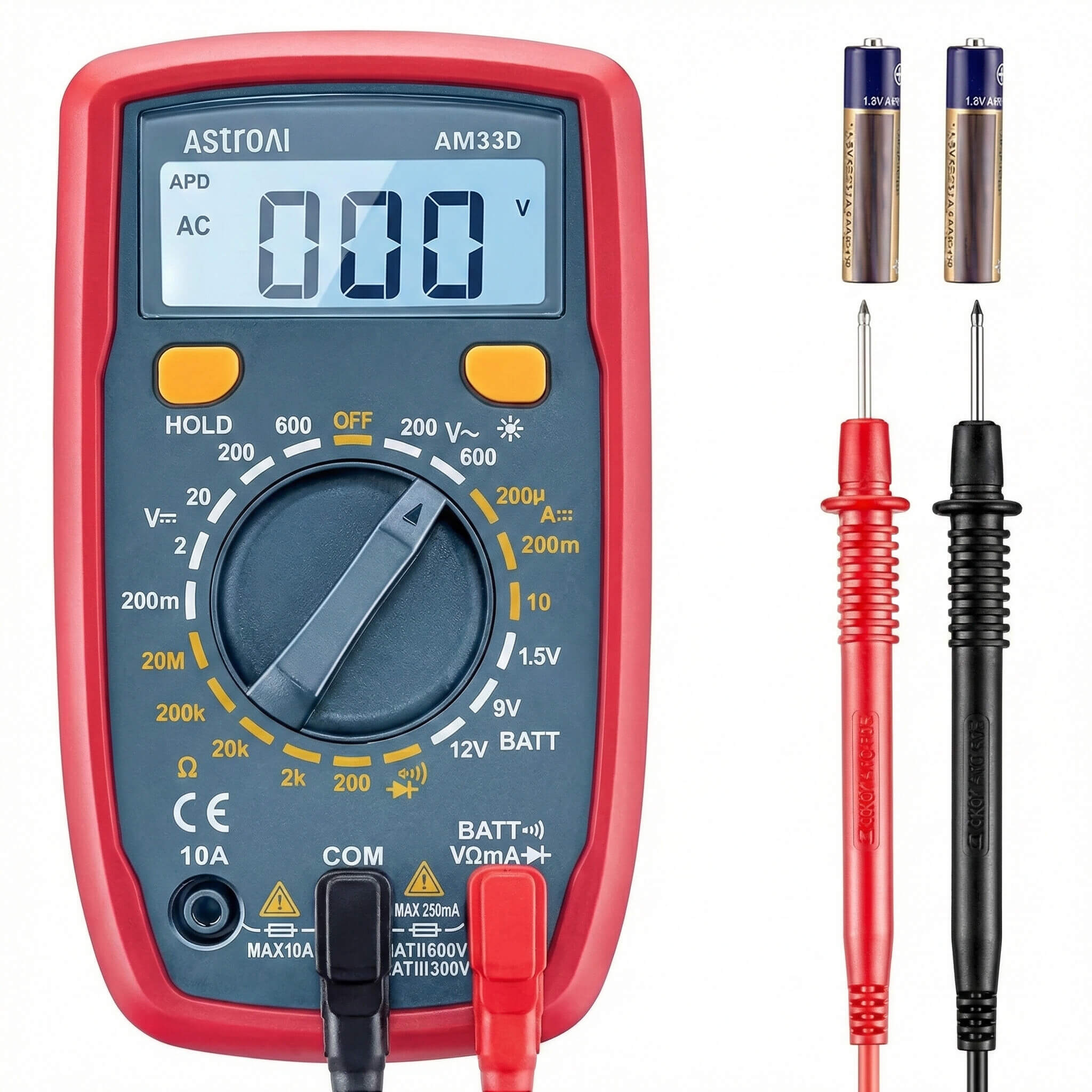
First, you must locate the specific sensor causing the fault. Next, you must test it thoroughly. You can do this safely using a reliable Digital Multimeter. Set your meter to the Ohms resistance setting. The sensor’s resistance should drastically change as you warm it inside your hand. If the meter displays “OL” (Open Loop), the sensor is completely dead. Ultimately, you must splice a new thermistor into the wire harness.
Verifying the Actual Temperature
Furthermore, broken sensors often force the fridge to freeze your fresh food. You must verify the actual physical climate inside the cabin. Therefore, place a standalone Refrigerator/Freezer Thermometer directly on the middle shelf. This inexpensive tool confirms whether the fridge is actually cooling or if the computer is simply lying to you.
Fan Motor Error Codes
Refrigerators rely entirely on strict air circulation to maintain safe temperatures. Consequently, if a fan stops spinning, the entire cooling process violently crashes. Manufacturers frequently display codes such as “FAN,” “E3,” or “ER FF” to signal a severe airflow failure.
The Evaporator Fan
This specific fan sits hidden behind the back interior wall of the freezer compartment. It actively blows cold air off the freezing coils and pushes it up into the refrigerator section. Often, a massive wall of solid ice builds up and physically traps the fan blades. The computer detects the locked motor and instantly triggers the code.
The Condenser Fan
Alternatively, the condenser fan sits outside the cabin, located near the dusty floor next to the compressor. It aggressively blows room air over the hot coils to dissipate heat. Frequently, thick pet hair or kitchen dust completely clogs this fan. You must unplug the fridge, pull it away from the wall, and meticulously vacuum the fan blades. If the motor remains dead after cleaning, you must replace the fan assembly.
Ice Maker and Water System Errors
Modern consumers love their in-door ice and filtered water dispensers. However, these complex plumbing additions break down frequently. When they fail, you will typically see specific refrigerator error codes like “IC,” “WF,” or “ER IF.”
Clogged Water Filters
Often, a “WF” code simply serves as a routine maintenance reminder. The computer counts the gallons of water dispensed. It eventually flashes the code to demand a fresh water filter. Simply replace the filter cartridge and hold the reset button for three seconds to clear the annoying alert.
Frozen Fill Tubes
Conversely, an “IC” code usually indicates a severe mechanical malfunction inside the ice maker itself. Frequently, the small plastic water tube that physically fills the ice tray freezes completely solid. The ice maker attempts to cycle, but no water flows. You must manually thaw the frozen fill line using a hairdryer. Additionally, always inspect the rear water inlet valve solenoids for electrical continuity.
Defrost System Error Codes
Frost-free refrigerators perform a daily mechanical miracle. They actively melt away solid ice buildup without warming up your frozen food. Unfortunately, when this complex system fails, you will quickly see codes such as “DF,” “ER dH,” or “F3.”
The Heating Element Failure
The defrost system relies on a high-voltage glass heating tube located beneath the evaporator coils. Typically, this fragile heater completely burns out over time. When the filament snaps, the circuit breaks. The computer attempts to run a defrost cycle but detects zero heat. Consequently, it triggers the fault code.
Testing the Defrost Circuit
First, you must safely unplug the heavy refrigerator. Next, you must gain access to the frozen rear freezer panel. You must utilize your digital multimeter to test the glass heating element for electrical continuity. If the meter remains silent, you must order a replacement heater. Furthermore, you should always test the defrost bimetal thermostat, as it frequently fails simultaneously.
Compressor and Start Relay Errors
The heavy black compressor serves as the mechanical heart of your appliance. It forcefully pumps the chemical refrigerant through the intricate copper veins. Therefore, compressor refrigerator error codes represent the most serious alerts possible. You will typically see frightening codes like “C,” “E6,” or “SY CE.”
Diagnosing the Start Relay
Frequently, the expensive compressor itself remains perfectly healthy. Instead, the small plastic start relay attached to its side has violently shorted out. The computer tries to start the motor, fails, and immediately throws the error code. Fortunately, you can easily bypass a broken relay. You can safely kickstart the heavy motor using a cheap Universal PTC Start Relay Kit.
When to Call a Professional
However, if you replace the relay and the compressor still refuses to start, you face a catastrophic failure. The internal copper motor windings have likely shorted directly to the ground casing. This specific repair requires highly specialized welding torches and EPA-regulated Freon recovery tanks. Ultimately, you must immediately contact a licensed appliance technician to handle this hazardous high-voltage failure.
How to Safely Reset the Refrigerator
You successfully diagnosed the specific error code. Furthermore, you confidently replaced the broken thermistor or frozen fan motor. Now, you must manually force the computer motherboard to clear the alarming digital code from its screen.
The Hard Reboot Procedure
First, never simply push the interior power button. You must perform a complete hard electrical reset. Manually unplug the thick power cord directly from the wall outlet. Alternatively, flip the main kitchen circuit breaker firmly to the OFF position.
The Waiting Period
Next, you must wait patiently for a strict minimum of 10 to 15 minutes. This crucial waiting period allows the massive motherboard capacitors to bleed off their stored voltage. Simultaneously, it allows the trapped Freon pressure inside the compressor lines to safely equalize.
Adding Surge Protection
Finally, before you plug the expensive machine back in, you must protect your repair investment. Electrical voltage spikes cause half of all circuit board error codes. Therefore, always plug your appliance into a high-quality Single-Outlet Appliance Surge Protector. This cheap device absorbs lethal grid fluctuations. Subsequently, plug the fridge in and actively monitor the front display. The error code should permanently disappear.
When to Call a Professional Technician
Basic error code troubleshooting empowers enthusiastic homeowners to save hundreds of dollars. However, major appliance repair possesses strict, dangerous limits. You must always prioritize personal safety over financial savings.
Recognizing High-Voltage Dangers
First, you should definitively stop testing if you lack the proper safety equipment. Do not proceed if you refuse to utilize a digital multimeter. Navigating live 120-volt wiring requires absolute confidence. Ultimately, the severe risk of lethal electrical shock easily outweighs any potential repair savings.
Persistent Control Board Failures
Additionally, sometimes you replace the clearly broken fan motor, but the error code aggressively persists. This highly frustrating scenario indicates that the original short circuit actively fried the delicate microchips on the main control board. Unfortunately, replacing a modern motherboard often requires a proprietary software programming tool. You cannot successfully install these blank boards without factory software. Therefore, you must hire an authorized technician to finalize the complex repair.
Frequently Asked Questions (FAQ)
Why is my refrigerator flashing an SY EF error code?
Can a brief power outage cause fake error codes?
How do I clear the WF or Replace Filter code?
What does a communication error code mean?
Is it safe to ignore a refrigerator error code if the fridge still feels cold?
Conclusion: Decoding Your Refrigerator’s Health
In conclusion, successfully understanding refrigerator error codes allows for significantly faster diagnosis and dramatically cheaper repairs. You no longer have to guess why your expensive groceries are spoiling. The machine actively communicates its specific internal pain points directly to you.
Your Diagnostic Action Plan:
- Locate the Code: Check the front screen or count the blinking motherboard lights.
- Consult the Manual: Always utilize the specific factory Tech Sheet to translate the exact brand letters.
- Test the Component: Utilize your digital multimeter to verify the thermistor, fan, or heater failure.
- Reset the System: Unplug the heavy appliance for 15 minutes to clear the digital memory cache.
By confidently following this professional diagnostic logic, you empower yourself to conquer intimidating electrical failures. You can safely inspect the relevant components, perform the necessary DIY replacements, and fully restore your kitchen’s heartbeat. Ultimately, however, you must always rely on a licensed professional to handle persistent, complex, or high-voltage compressor issues.