

You reach into your appliance to grab a carton of milk, but instead of liquid, you pour out slush. Dealing with a refrigerator freezing food unexpectedly is not just frustrating—it’s incredibly expensive. Instead of crisp, fresh groceries, you are left with slimy lettuce, ruptured soda cans, and icy, ruined produce.
You paid for a refrigerator, not a second freezer. This sudden temperature drop often triggers a panic: “Is the thermostat completely broken? Do I need to buy a brand new fridge?”
The good news is that this is rarely a catastrophic, expensive failure. Usually, the problem is surprisingly simple. It is often a blocked air vent, a stray temperature setting, or a small mechanical door called a “damper” that has become stuck. In this comprehensive diagnostic guide, we will walk you through exactly how to stop a fridge from freezing food using 5 expert troubleshooting steps.
💡 Mentor’s Diagnostic Hub
Dealing with multiple cooling issues? An overcooling fridge is often linked to airflow imbalances. Learn how to diagnose every part of your appliance’s sealed system and electronics.
The “Death Spot”: Understanding Fridge Airflow
Before you start unscrewing panels and ordering parts, you need to understand exactly how your fridge gets cold in the first place.
Most standard residential refrigerators do not actually create cold air natively in the fresh food section. Instead, 100% of the cooling is generated inside the freezer compartment. A motorized fan simply blows a carefully calculated amount of that sub-zero air through a vent (the air damper) and down into the fridge compartment.
Why this matters: If you place delicate, high-water-content food (like eggs, lettuce, cucumbers, or liquids) directly in front of this incoming blast of freezing air, it will freeze almost instantly before the air has a chance to mix and warm up to 37°F. In the appliance repair industry, this top-shelf, rear-center location is known as the “Death Spot.”
Before you assume a mechanical part is broken, check your shelf layout.
- Rearrange Your Shelves: Move temperature-sensitive items away from the upper back vents and store them in the crisper drawers or on the door shelves (the warmest parts of the fridge).
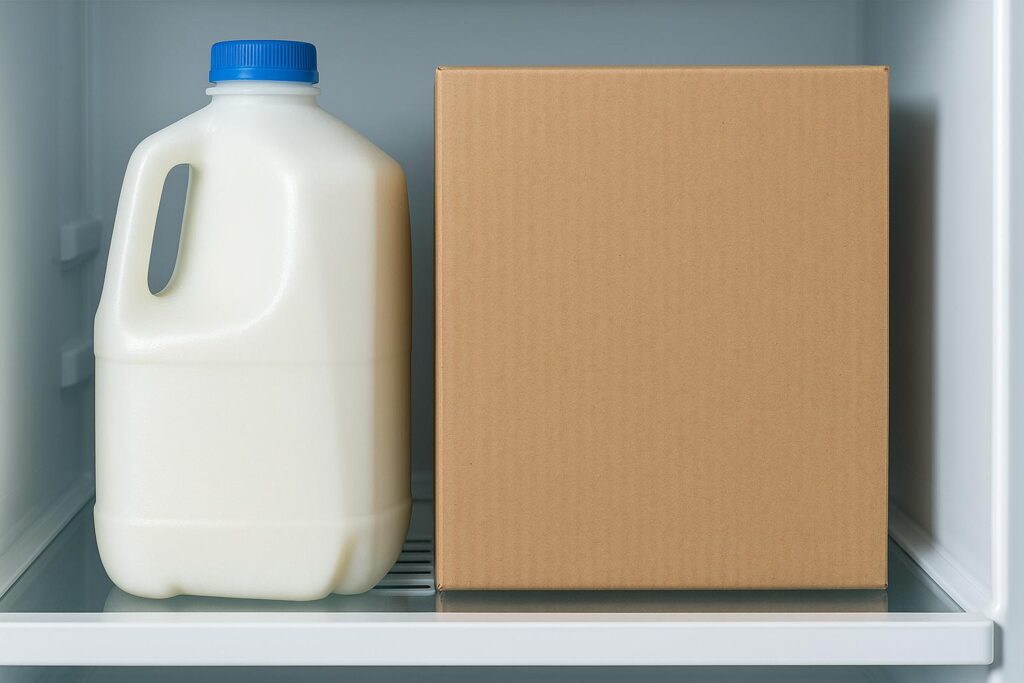
- Check for Overcrowding: If the fridge is packed too tightly, air cannot circulate properly. This creates stagnant “pockets” of super-cold air that stay trapped in one spot, causing a localized refrigerator freezing food issue while other spots remain perfectly fine.
Cause #1: Low Temperature Settings Causing Refrigerator Freezing Food
This is the most common and easiest fix. It sounds incredibly obvious, but digital touchpads and mechanical dials are very easily bumped by large items like milk jugs.
The Problem: The ideal, FDA-recommended temperature for a fresh food compartment is strictly between 37°F and 40°F (3°C – 4°C). If your setting has been accidentally bumped down to 33°F or 34°F, items with high water content will inevitably begin to crystallize. This is the fastest, most common way to end up with a refrigerator freezing food unexpectedly.
How to Fix It:
- Locate the Controls: Look for the digital panel on the front door dispenser, or the mechanical dial inside the fridge near the ceiling.
- Adjust Upwards: Set the fresh food temperature to a safe 38°F or 39°F.
- Wait 24 Hours: It takes considerable time for the dense plastic walls and large volume of air inside the appliance to stabilize at the new, warmer temperature. Do not expect instant results.
Pro-Tip: Do not blindly trust the digital display on the fridge. It only shows you what the control board wants the temperature to be, not necessarily what it actually is. To be absolutely sure, buy a cheap standalone refrigerator thermometer and place it in a glass of water on the middle shelf for 24 hours. This is the only way to get a true, stabilized liquid temperature reading.

Cause #2: Blocked Return Air Vents
If your settings are perfect (verified by a standalone thermometer) but you still have ice chunks floating in your milk, you need to look at your internal airflow.
The Problem: Your refrigerator relies on a temperature sensor (a thermistor) to know exactly when to turn off the compressor. This sensor continuously measures the overall ambient air temperature inside the cabin.
- The Scenario: You shove a massive frozen turkey or a wide pizza box right up against the “return air” vents located at the bottom rear of the compartment.
- The Result: The cold air is physically blocked from circulating back up to the sensor. The sensor, sitting in a stagnant warm pocket, incorrectly thinks the fridge is still “hot,” so it tells the compressor to keep running… and running… and running. The fridge essentially super-cools itself by accident.
How to Fix It:
- Locate the Vents: Find the multi-flow supply air vents at the top, and the return air grilles near the bottom crisper drawers.
- Clear the Path: Ensure there is at least 2 to 3 inches of clear, unobstructed airspace between your food packaging and all vents.
- Check the Sensor: Locate the small plastic sensor cage (often near the light bulb housing or top shelf). Make sure nothing is shoved up against it, insulating it from the room air.
Cause #3: A Stuck Damper Control Assembly
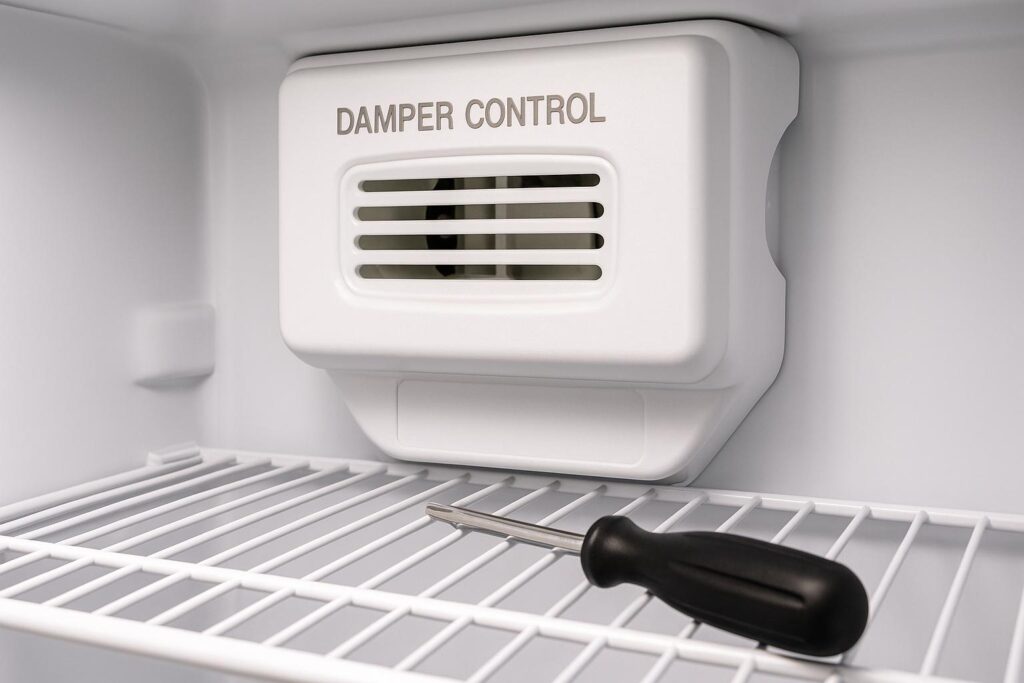
If you have verified the settings and the vents are completely clear, and your food is still turning into solid blocks of ice, you likely have a mechanical failure. The #1 mechanical culprit for an over-cooling fridge is the Damper Control.
What is a Damper? Think of the damper as a motorized, louvered door. It sits in the air channel between the freezer and the fresh food section.
- When the fridge section gets warm, the motorized door opens wide to let the freezing 0°F air rush in.
- When the fridge reaches the target 37°F, the door mechanically shuts to seal off the cold.
The Problem: Over time, this motorized door can get physically stuck in the WIDE OPEN position. It might be jammed by a piece of rogue styrofoam, frozen solid by heavy ice buildup, or the tiny actuator motor might have simply burned out.
The Symptom: This results in your refrigerator freezing food regardless of where you set the dial, because the fridge keeps receiving a non-stop, unregulated blast of freezing air from the freezer, even though the thermostat is screaming “I’m cold enough!”
How to Diagnose & Fix:
- Find the Damper: It is usually located at the very top rear of the fresh food compartment, hidden behind a vented plastic grille.
- Listen Closely: Open the fridge door. Press and hold the door switch to trick the fridge into thinking the door is closed. You should eventually hear a faint mechanical whirring noise as the damper tries to actuate, and feel the air stopping and starting.
- Inspect Visually: Remove the plastic cover. If the damper door is physically stuck open even when the fridge is freezing cold, the assembly is broken.
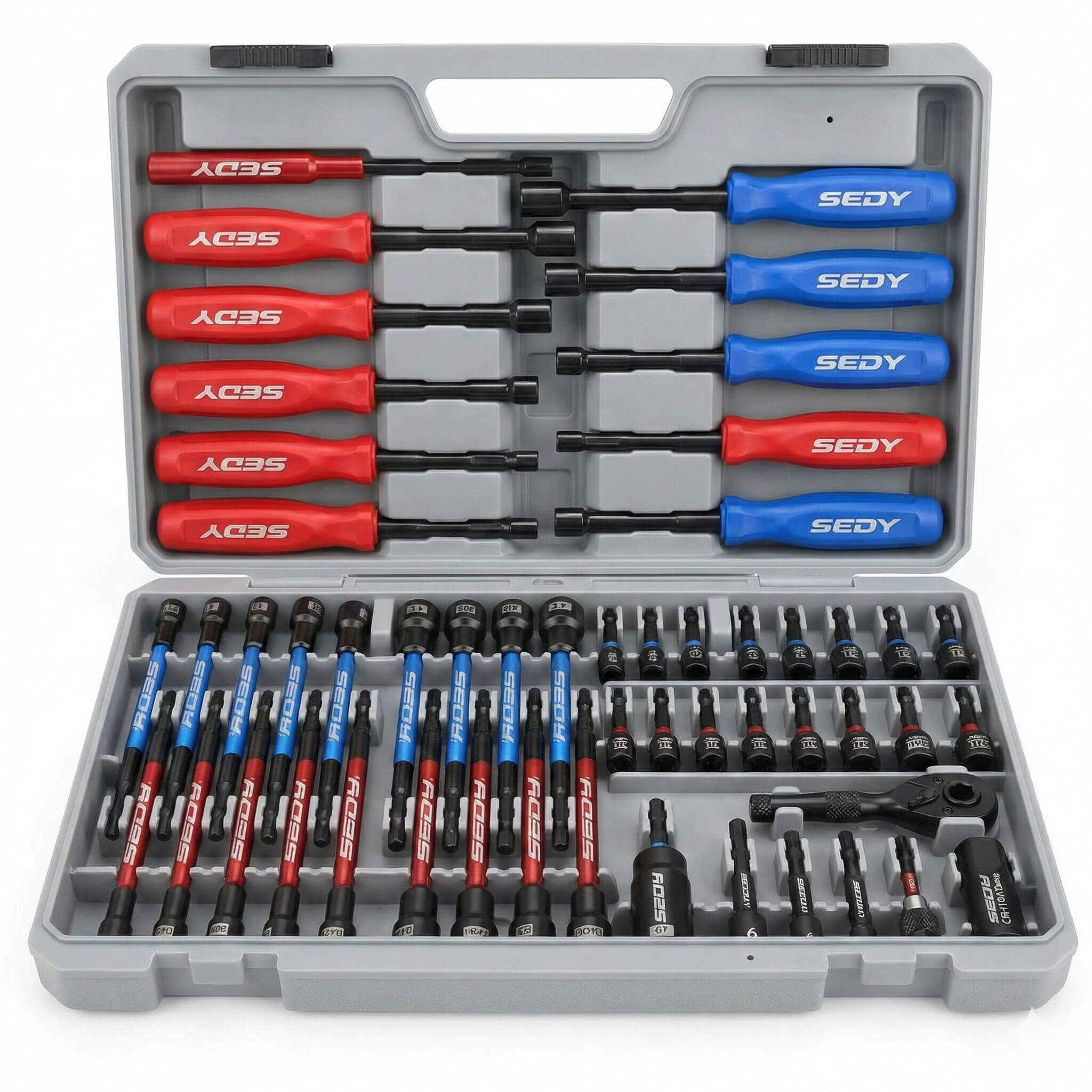
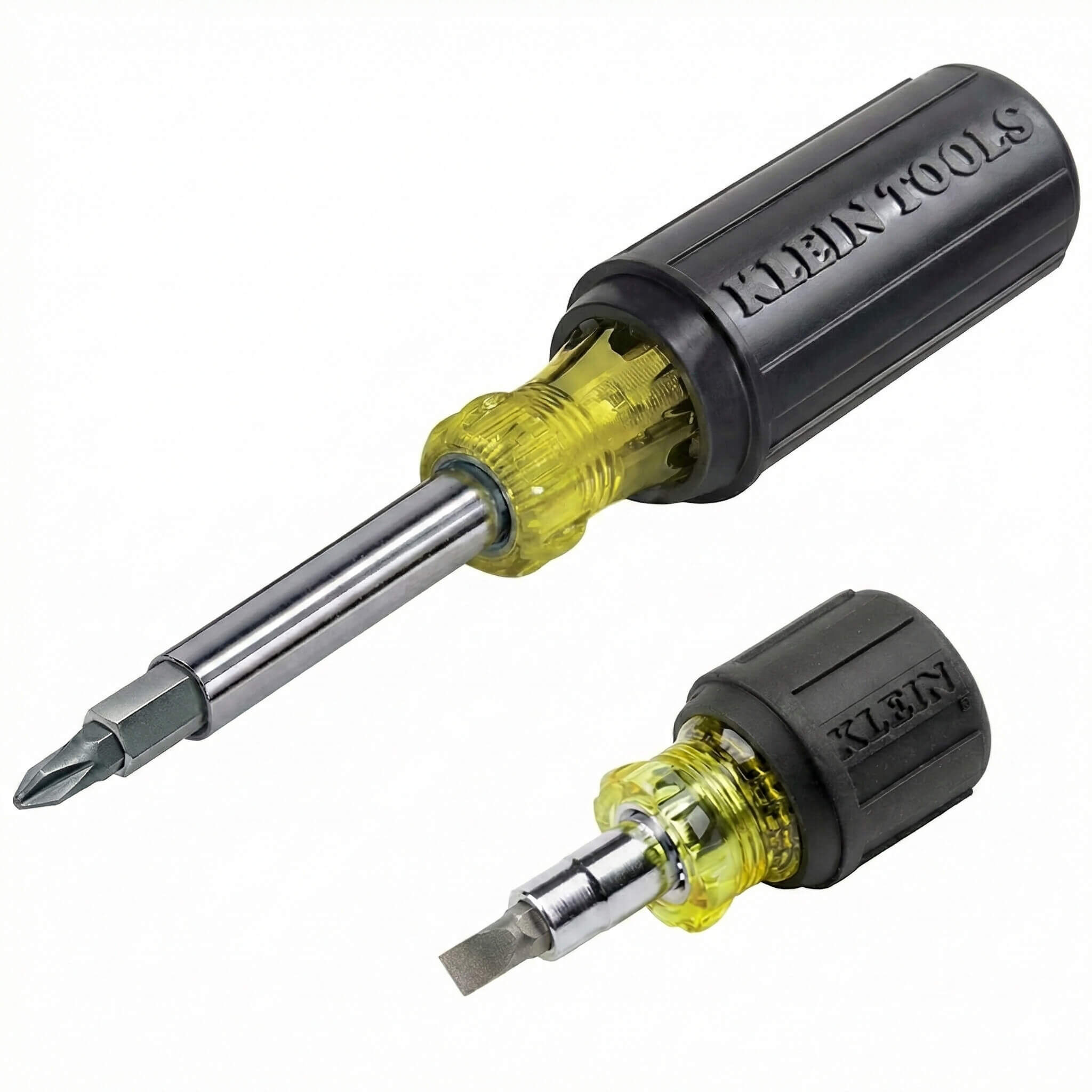
- Replace It: You will need to buy an OEM replacement damper control assembly for your specific model. It is usually a simple DIY fix, held in by just two screws and one plastic wire harness.
Cause #4: A Failing Thermistor (Electronic Sensor)
If the mechanical damper door opens and closes perfectly fine, the problem might be the electronic “brain” that controls it.
The Problem: The thermistor is a highly sensitive variable resistor that changes its electrical resistance based on the ambient temperature. It acts as the fridge’s thermometer, constantly telling the main control board how cold the interior is.
- The Failure: A degraded or broken thermistor is a very common reason for a refrigerator freezing food. If it fails, it might continuously send a false signal telling the control board that the fridge is a warm 50°F, even when it is actually a freezing 28°F. The control board dutifully responds by running the compressor non-stop to fix the “warmth,” inadvertently freezing everything in sight.
How to Fix It:
- Check for Error Codes: Modern smart fridges (like GE, Samsung, or LG) often display a specific alphanumeric error code on the front panel if a thermistor fails. Check your user manual to decipher the code.
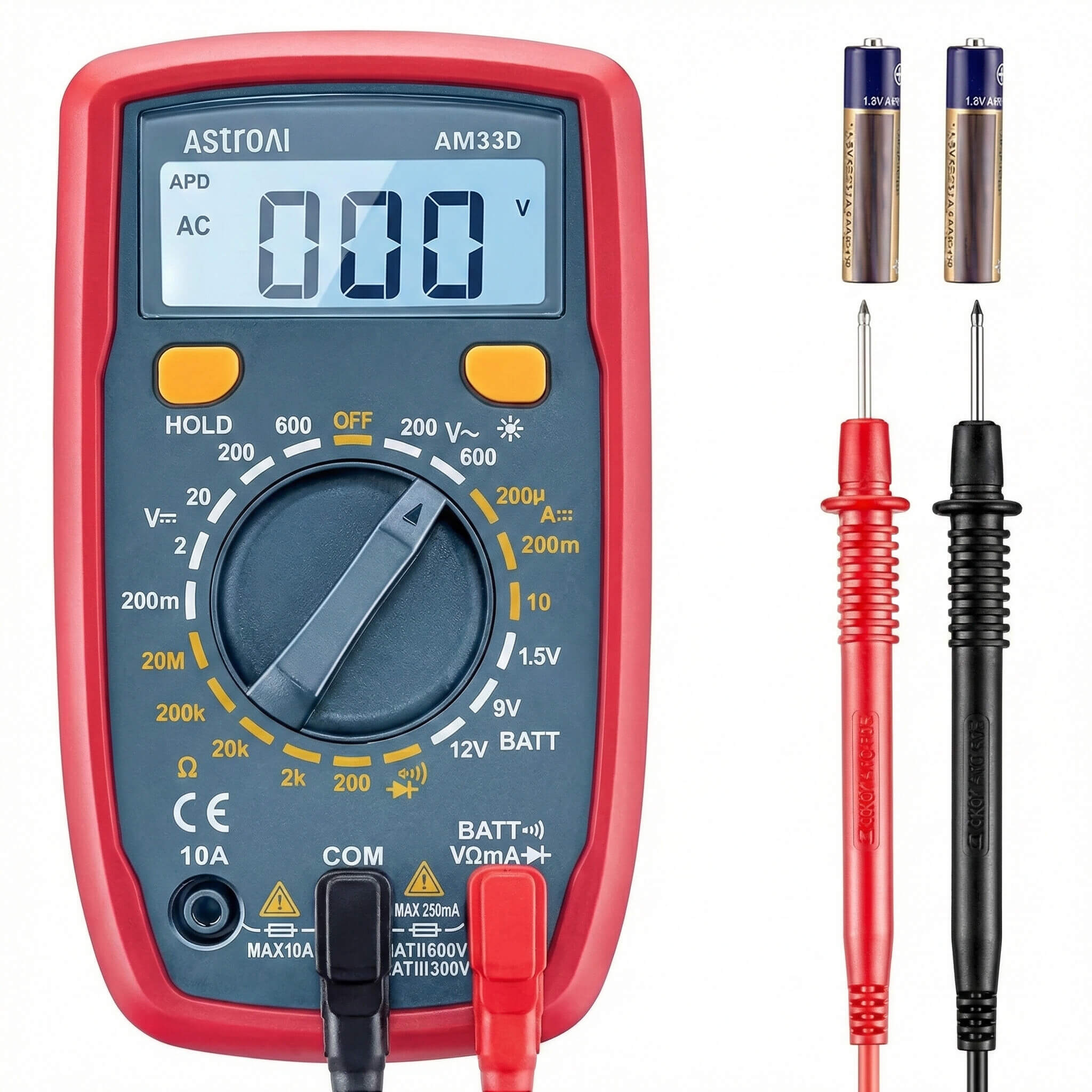
- Test with a Multimeter: If you are handy, you can unplug the fridge, locate the thermistor, cut the wires, and test its resistance (Ohms) using a digital multimeter. You will need the specific tech sheet for your fridge to know the correct resistance-to-temperature values.
- Replace the Sensor: Thermistors are incredibly cheap (usually under $15). If you suspect it is sending bad data, cutting the old one out and using wire nuts to splice in a brand new OEM thermistor is a low-cost, high-reward repair.
Cause #5: Dirty Condenser Coils (A Rare Cause of Overcooling)
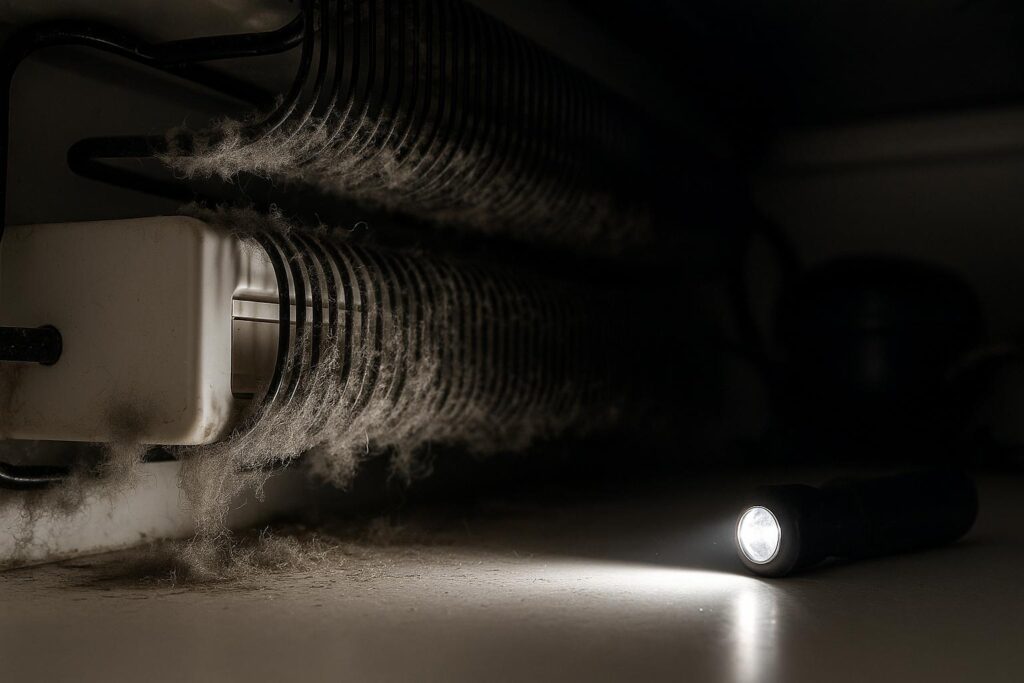
This seems completely counter-intuitive. Usually, dirty condenser coils cause a fridge to overheat and become too warm. However, in certain specific sealed systems, they can actually cause the compressor to work in overdrive, leading to overcooling.
The Problem: When the condenser coils (located under or behind the fridge) are coated in a thick blanket of dust, the compressor struggles to release heat. To maintain the baseline freezer temperature, the compressor has to run at 100% duty cycle (it never shuts off).
- The Side Effect: Because the compressor never gets to rest, the continuous generation of cold air creates massive “residual” cooling that drifts down into the fresh food section. The constant, relentless running of the engine creates a deep-freeze environment throughout the entire appliance.
How to Fix It:
- Access the Coils: Unplug the appliance, remove the front kick-plate, or pull the fridge out to access the rear machine compartment.
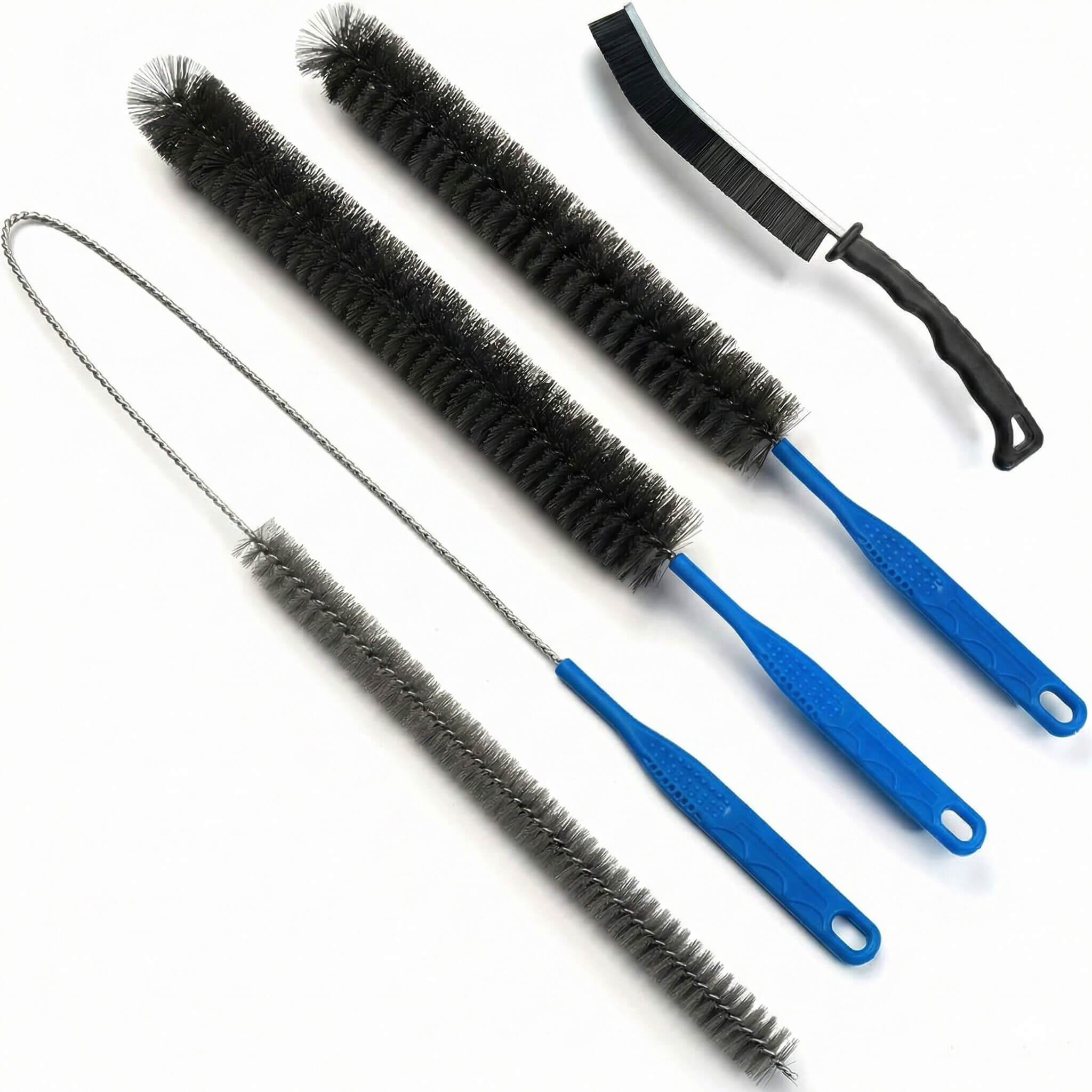
- Clean Thoroughly: Use a dedicated coil brush and a vacuum hose to remove the thick layer of dust. For a step-by-step walkthrough, check out our guide on how to clean refrigerator condenser coils.
Related Issues: Water Leaks and Clicking Noises
A freezing fridge often operates under immense stress, which can trigger other noticeable symptoms.
- Is there water pooling? If your fridge is freezing food, the extreme internal temperatures might also be freezing the internal defrost drain line solid. If you see sheets of ice forming under the bottom crisper drawers, you need to check our guide on why water is leaking inside my refrigerator to safely thaw the drain.
- Is there a rhythmic clicking noise? If the compressor is running non-stop to freeze your food, it is under a massive thermal load and may overheat. If you hear a harsh metallic clicking from the back of the unit, read about a refrigerator making a clicking noise to make sure you aren’t about to burn out the start relay or lose the compressor entirely.
Frequently Asked Questions (FAQ)
Why is my refrigerator freezing food only in the crisper drawer?
Can a bad refrigerator door seal cause freezing?
Is food safe to eat after it accidentally freezes in the fridge?
My fridge is freezing food but the freezer is perfectly fine. Why?
Conclusion: Save Your Salad
You do not have to live with frozen milk and ruined produce. A refrigerator freezing food in the fresh food compartment is a clear, undeniable sign that your appliance has lost its ability to properly regulate its internal airflow.
Your Quick Action Plan:
- Check the Settings: Verify the thermostat is not accidentally set below 37°F.
- Clear the Vents: Move temperature-sensitive food away from the “Death Spot” near the top rear vents.
- Listen to the Damper: Ensure the motorized damper door isn’t physically stuck open, blasting unregulated cold air into the cabin.
By methodically following these steps, you can usually stop the deep freeze and get your fridge back to being properly cool, crisp, and consistent.