
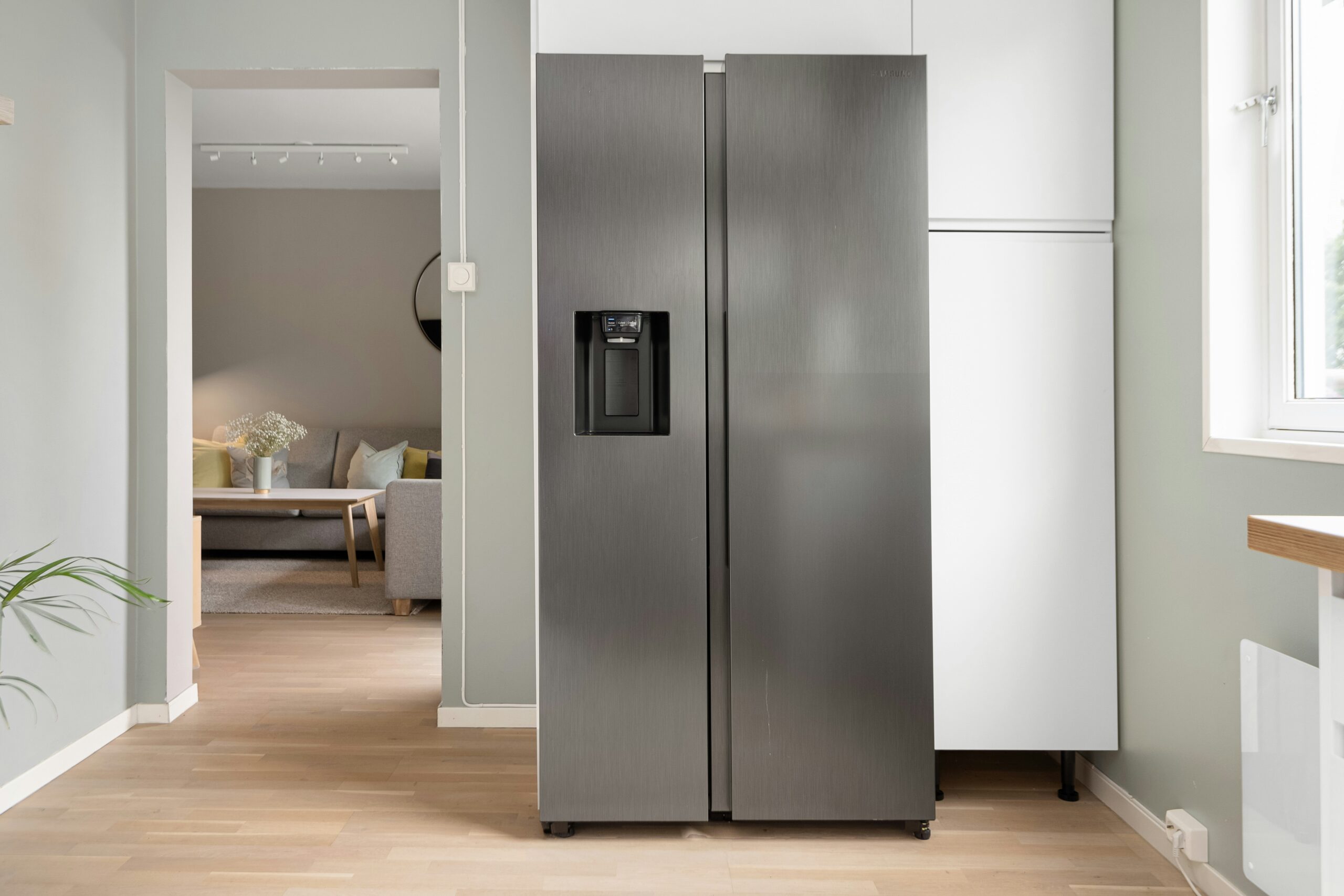
Your refrigerator is the only appliance in your home that never sleeps. Running 24/7, 365 days a year, it typically accounts for 13.7% of a household’s total energy usage. If you are looking to slash your monthly utility bills and reduce your carbon footprint, mastering a few refrigerator energy efficiency tips is the fastest way to see results.
Whether you have a brand-new smart fridge or a 10-year-old workhorse, this comprehensive refrigerator efficiency optimization guide will show you how to maximize performance while minimizing costs.
1. Dial in the “Goldilocks” Temperature
The most common mistake homeowners make is setting the fridge too cold. Many people believe “colder is better,” but every degree lower than necessary increases energy consumption by about 2.5%. If your settings are too low, your compressor runs overtime to maintain a temperature that offers no additional food safety benefit.
- Optimal Fridge Temp: 37°F – 40°F (3°C – 4°C).
- Optimal Freezer Temp: 0°F (-18°C).
Pro Tip: Use a dedicated appliance thermometer rather than relying on the built-in dial. Internal sensors can drift over time, meaning your dial might say 37°F while the actual air temperature is 33°F, wasting electricity.
2. Maintenance: The Secret to Efficiency
A dirty fridge is an expensive fridge. When components are stressed, they draw more amperage to achieve the same cooling effect.
Clean the Condenser Coils
Dust acts as an insulator, trapping heat and forcing the compressor to run longer cycles. If your coils are coated in dust, the refrigerator cannot dissipate heat effectively. This is similar to running a marathon while breathing through a straw. Cleaning your coils twice a year can improve efficiency by up to 30%.
- The Fix: Use a coil brush or vacuum. (See our Step-by-Step Coil Cleaning Guide).
🛠️ Efficiency Essential:
Holikme Refrigerator Coil Cleaning Brush
Why: This is the #1 tool for refrigerator efficiency optimization. Removing dust prevents compressor strain and saves money.
Inspect the Door Gaskets
The magnetic rubber seal around your door (the gasket) is the gatekeeper of cold air. Over time, these seals can crack, warp, or become brittle. A loose seal is like leaving a window open in the winter—your compressor has to run constantly to replace the cold air leaking out.
The “Dollar Bill Test”: Close the refrigerator door on a crisp dollar bill. Pull the bill out slowly.
- If there is resistance, your seal is good.
- If it slides out easily, the seal is bad and needs replacement.
3. Strategic Loading: The “Thermal Flywheel” Effect
How you pack your food directly impacts refrigerator efficiency. It involves a concept known as thermal mass.
Don’t Run on Empty
A completely empty fridge is highly inefficient. Every time you open the door, the heavy cold air falls out and is replaced by warm room-temperature air. When you close the door, the compressor must cool that entire volume of air back down.
The Solution: If your fridge is empty, fill a few jugs with water and place them on the shelves. Water retains cold far better than air. These jugs act as “thermal anchors,” helping the fridge recover its temperature quickly after the door is opened.
Don’t Overstuff
Conversely, a fridge packed to the brim blocks the airflow vents. Cold air needs to circulate to cool items evenly. If you block the vents (usually located at the back), the thermostat will read “warm” and force the compressor to run continuously, potentially freezing food near the coils while spoiling food in the door.
4. The Danger of “Vampire” Electronics
Modern refrigerators are loaded with features that drain power even when the compressor isn’t running.
- Ice Makers: An automatic ice maker increases energy use by 14%–20%. If you don’t use much ice, turn the arm to the “Off” position and use trays instead.
- Anti-Sweat Heaters: Many fridges have small heaters in the door frame to prevent condensation on the outside. Unless you live in a tropical, high-humidity environment, you can often turn this feature off (look for a “Power Saver” switch near the temperature controls).
5. Location & Ambient Temperature
Placement is a huge part of your refrigerator efficiency optimization guide. Your refrigerator functions by moving heat from the inside to the outside. If the “outside” is hot, the transfer is much harder.
- Avoid Heat Sources: Don’t place your fridge next to a dishwasher, oven, or in direct sunlight.
- The Garage Factor: Placing a standard fridge in an uninsulated garage is an energy nightmare in summer. The compressor may have to run 100% of the time to fight 90°F+ ambient heat. If you need a garage fridge, ensure it is “Garage Ready” or optimized for extreme temperatures.
- Clearance: Ensure there is at least 2-3 inches of clearance behind and above the unit. Without this gap, heat gets trapped against the coils, causing the compressor to overheat. (See: Why is my Refrigerator Compressor Hot?)
6. Manage Your Defrost Cycle
Older fridges required manual defrosting, but modern units use an Adaptive Defrost Control (ADC) board. This computer monitors how often you open the door and only runs the defrost heater when necessary. However, if your ADC board fails, it might run the defrost heater on a simple timer (e.g., every 8 hours), regardless of ice buildup.
If you notice your freezer seems to be getting warm periodically or you hear sizzling noises frequently, your defrost cycle may be malfunctioning, wasting substantial energy. A quick check by a technician can save you money in the long run.
7. Buying New? Understanding the Yellow Label
If your current unit is over 15 years old, it may be costing you more in electricity than a new unit would cost in monthly payments. When shopping, look for the yellow EnergyGuide label.
Top Features to Look For:
- Top-Mount Freezers: These are the efficiency kings. They use gravity and natural convection to circulate air, making them 10–25% more efficient than side-by-side or bottom-mount models.
- Inverter Compressors: unlike standard compressors that run at full blast or not at all, Inverter compressors (found in Samsung and newer GE models) run at variable speeds. They sip electricity gently to maintain temp, rather than gulping it in bursts.
- No Through-the-Door Dispensers: That convenient ice chute is a massive hole in the fridge’s insulation. Models without external dispensers are significantly more efficient and have fewer repair issues.
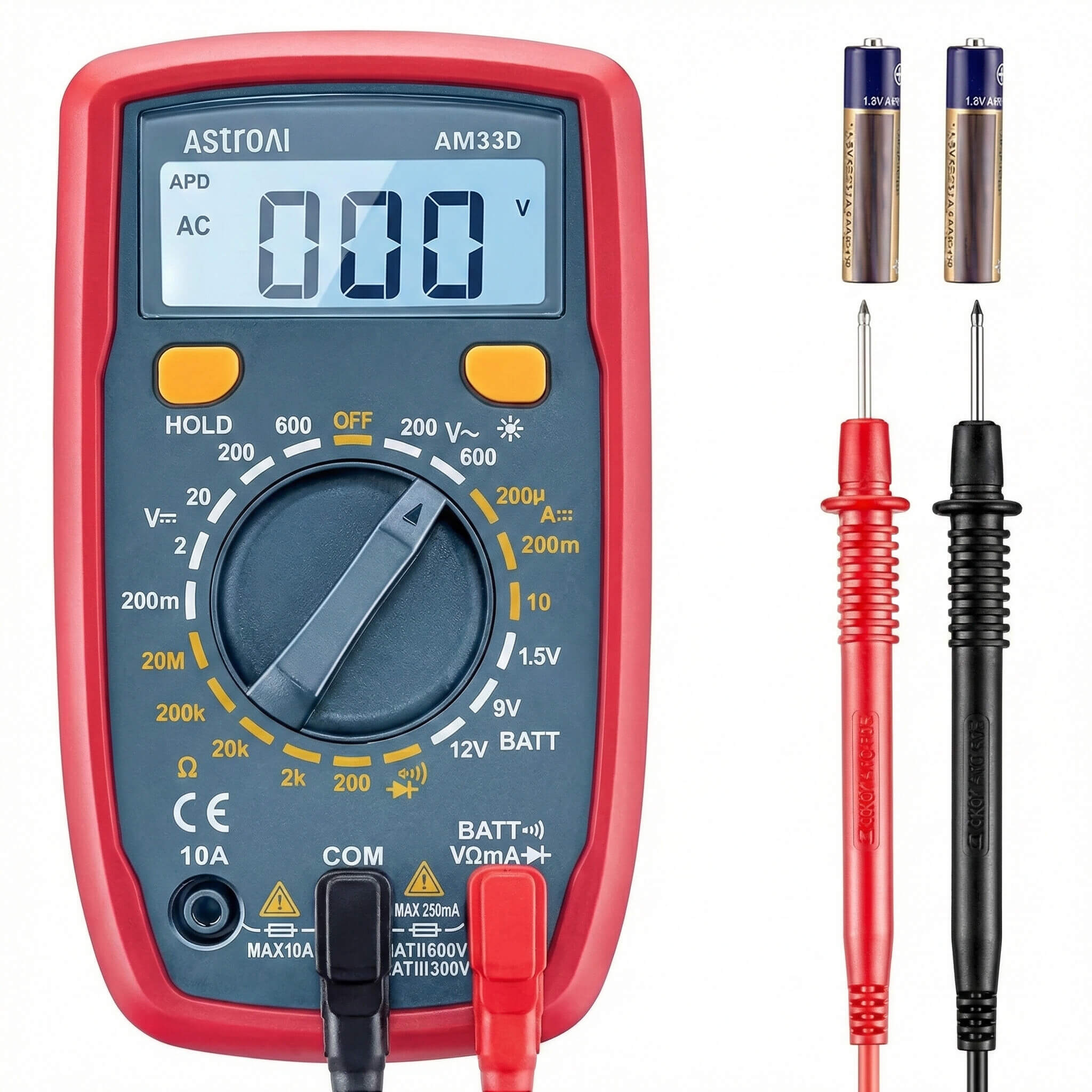
🌡️ Recommended Monitoring Tool:
Why: Instantly check for “hot spots” around your door seals, measure the exact surface temp of your condenser coils, or verify your interior food temp.
Summary: Quick Efficiency Checklist
| Action | Benefit | Frequency |
|---|---|---|
| Clean Coils | Improves efficiency by 30% | Every 6 Months |
| Check Door Seals | Prevents cold air leakage | Every 12 Months |
| Disable Ice Maker | Reduces load by 15% | If unused |
| Fill Empty Space | Retains thermal mass | Always |
| Set Temp to 37°F | Optimal energy/safety balance | Monthly Check |
By following these refrigerator energy efficiency tips, you can extend the life of your appliance and keep your hard-earned money in your pocket instead of your utility company’s.