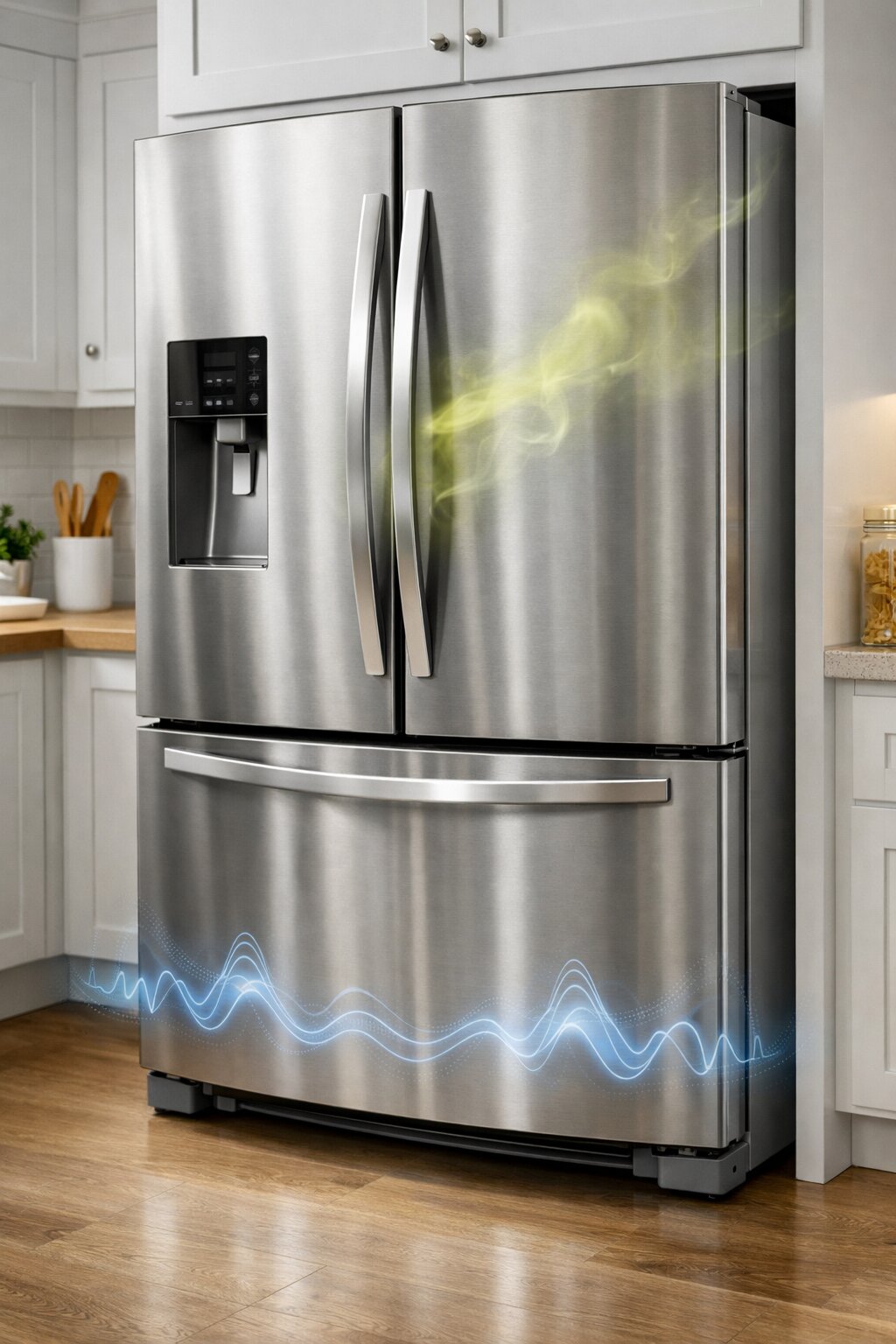
Refrigerators are fundamentally large, highly insulated acoustic boxes filled with incredibly complex electronic motors, massive circulating fan blades, constantly expanding plastics, and highly pressurized chemical refrigerant systems. Consequently, they are rarely completely silent. However, when a brand new "thump," "hiss," or a foul, inescapable odor suddenly permeates your entire kitchen environment, it is usually a desperate sign that your appliance is trying to aggressively communicate an impending mechanical failure. While some low-level hums and mild, earthy smells are simply part of normal daily operation, other specific sounds are critical early warning signs of imminent catastrophic breakdowns or highly unhygienic, biologically dangerous conditions. Whether your expensive French-door fridge currently sounds like a Boeing jet engine preparing for takeoff, is emitting a rhythmic death-rattle click, or smells suspiciously like burning plastic wire harnesses, this comprehensive diagnostic master hub will absolutely help you accurately pinpoint the precise issue and confidently perform the correct, lasting fix before it costs you a massive, unnecessary professional repair bill.
Refrigerators are massive investments, often costing thousands of dollars, and they are expected to run flawlessly for 24 hours a day, 365 days a year without a single moment of rest. Because they are essentially large, highly insulated thermodynamic boxes equipped with immensely complex electrical motors, deeply hidden circulating fan blades, and highly pressurized chemical refrigerant systems, it is completely and entirely normal for them to hum, whir, and occasionally pop as their massive interior plastic panels rapidly expand and contract during extreme temperature changes. However, learning how to accurately translate the specific acoustic language of your appliance's noises and the chemical language of its smells is the absolute master key to preventing catastrophic sealed system failures and thousands of dollars in spoiled household food.
When an aging appliance suddenly begins to emit an alarming, metal-on-metal grinding sound from the rear compartment, or forcefully fills your entire kitchen with the sharp, pungent, unforgettable scent of burning electrical plastic, the absolute worst thing you can possibly do as a homeowner is ignore it. These symptoms are not quirks; they are your refrigerator's literal diagnostic distress alerts. A repetitive clicking noise might very well be the final auditory warning before your incredibly expensive compressor dies entirely, requiring a total appliance replacement. A foul, deeply musty smell might not just be a forgotten container of old leftovers hidden in the back, but rather a glaring sign of a dangerously clogged external drain pan actively breeding toxic, airborne black mold directly behind your kitchen baseboards where you cannot see it.
In this extraordinarily comprehensive diagnostic master hub, we have painstakingly categorized and separated the absolute most common acoustic and olfactory issues you will ever face as a modern homeowner. We will meticulously teach you how to isolate the exact geographical location of a strange structural vibration, how to perfectly distinguish between the totally harmless, gentle rushing sound of moving liquid refrigerant and the incredibly dangerous, high-pressure hiss of a fatal sealed system Freon leak. Furthermore, we will walk you through implementing professional-grade, intensive deep-cleaning strategies that go infinitely further than simply throwing away an expired gallon of milk. Bookmark this page, as it is the only diagnostic resource you will ever need when your kitchen appliance starts acting strangely.
Diagnostic Symptom
Most Likely Mechanical Origin
Severity & Urgency Level
Deafening Buzzing or Grinding
Blocked Evaporator or Condenser Fan Motor
Moderate (Requires Cleaning)
Repetitive Metallic Clicking
Failing Compressor or PTC Start Relay
High (Complete Cooling Failure Imminent)
Endless Electronic Beeping
Faulty Door Switch or High Temp Alarm
Moderate (Check Door Seals)
Deep Rotten or Musty Smell
Bacterial Slime in Defrost Drain Pan
Moderate (Health Hazard)
Harsh Chemical or Burning Plastic
Overheating Main Control Board Circuitry
Extreme (Immediate Fire Hazard)
1. Understanding Normal vs. Abnormal Sounds
Before you hastily pull out your heavy toolkit, tear the back panel off your appliance, and start ordering expensive replacement parts online, it is absolutely critical to deeply understand the fundamental acoustic differences between a modern refrigerator that is operating perfectly normally and one that is desperately crying out for mechanical help. The landscape of appliance manufacturing has changed drastically over the last decade. Older refrigerators utilized simple, single-speed compressors that brutally kicked on with a massive, shuddering thud, ran at 100% maximum capacity until the box was freezing cold, and then violently shut completely off. Modern, high-efficiency refrigerators are vastly different. They almost exclusively utilize highly advanced, variable-speed "inverter" compressors. This revolutionary technology means that modern units are designed to run almost constantly, but at a much lower, highly variable, and specifically pitched frequency. This constant, sometimes slightly high-pitched whining or humming is completely normal and is specifically engineered to save massive amounts of household electricity by maintaining a steady temperature rather than experiencing massive thermal swings.
The Physics of Harmless Sounds
As an informed homeowner, you will frequently hear incredibly sharp "cracking," "snapping," or loud "popping" noises echoing from deep inside the closed freezer compartment. While alarming, this is simply the fundamental physics of thermal expansion at work. The internal plastic liner of the fridge is constantly contracting and expanding as the appliance's automatic defrost heating element turns on to 140 degrees Fahrenheit to melt away frost, and then rapidly cools back down to zero degrees. The plastic physically shifts and settles against the dense foam insulation, creating a loud popping sound. Furthermore, you may often hear a brief, intense hissing or sizzling sound directly after firmly closing the heavy freezer door. This is simply the internal air pressure rapidly equalizing as the warm room air you just let into the cabin is instantly chilled and contracts, pulling a tight vacuum seal on the door gasket. Neither of these highly common phenomena requires any mechanical intervention whatsoever.
The Golden Rule of Diagnostics: The ultimate determining factor between a "normal" noise and an "abnormal" noise is performance. If your refrigerator is making a bizarre new sound, but your ice cream remains rock solid and your milk is perfectly cold at 37 degrees, the sound is likely an operational quirk. If the sound is immediately accompanied by warming temperatures or melting ice, you have a confirmed mechanical failure.
2. Why Is My Refrigerator So Unbearably Loud?
A refrigerator that has suddenly transformed from a quiet background appliance into an overwhelmingly loud, incredibly obnoxious machine is almost universally suffering from a severe physical airflow restriction or a catastrophically failing motor bearing. Your appliance heavily relies on two primary fan systems to constantly regulate both its internal cabin temperatures and its external mechanical heat exhaustion: the condenser fan (which is located underneath or directly behind the unit, sitting right next to the hot compressor) and the evaporator fan (which is hidden deeply inside the freezer, situated firmly behind the rear plastic wall panel).
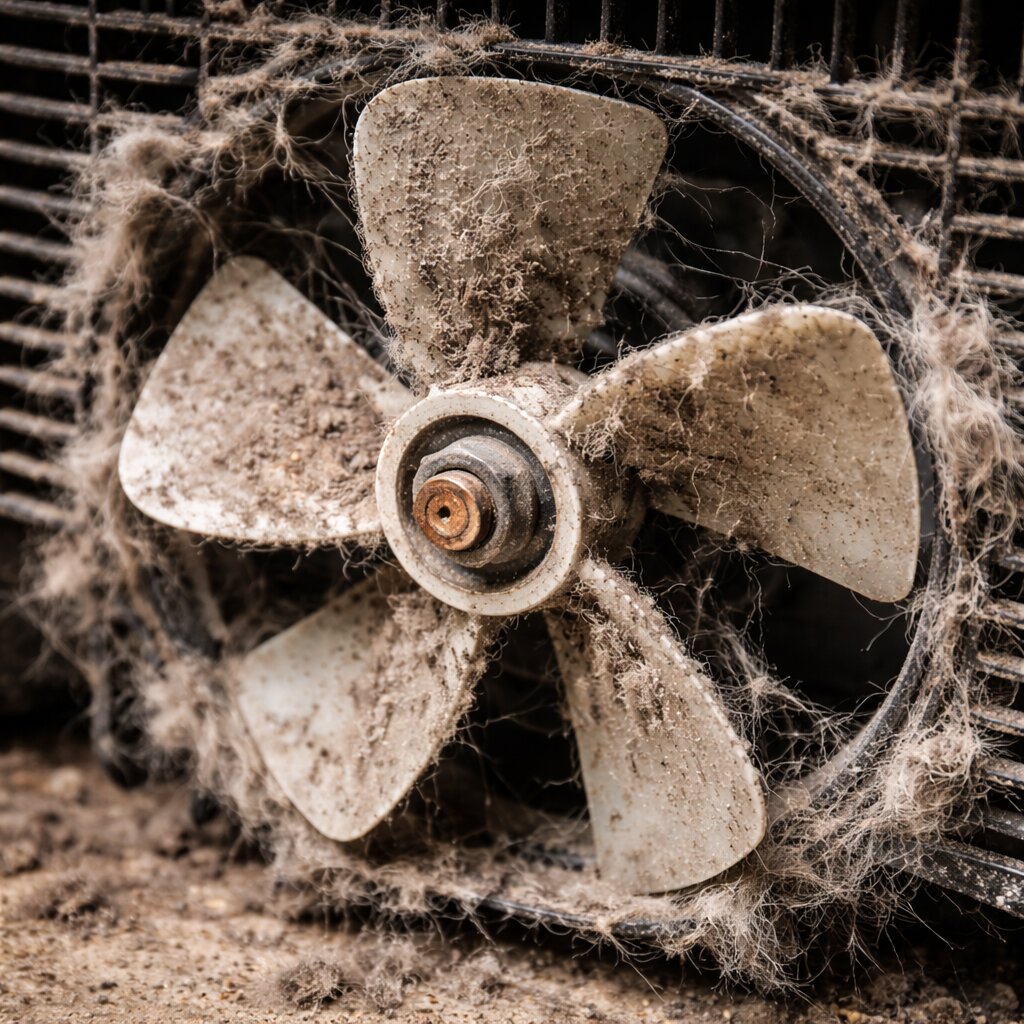
Because the condenser fan is located extremely close to the kitchen floor, it acts like a powerful vacuum cleaner over time. If this crucial fan blade and the surrounding condenser coils become heavily caked in a thick, suffocating blanket of pet hair, household dust, and sticky aerosolized kitchen grease, the fan blade will aggressively struggle to spin at its required RPMs. The small electric motor will begin to whine, vibrate, and grind incredibly loudly as it desperately fights the heavy physical debris. If left unchecked, this lack of airflow will cause the compressor to severely overheat, shortening its lifespan by years. Similarly, if the freezer's complex auto-defrost system fails to activate, a massive, solid wall of glacial ice can build up entirely around the internal evaporator fan. As the brittle plastic fan blades violently strike the solid ice sheet hundreds of times per minute, it creates an incredibly loud, highly alarming machine-gun rattling noise that will echo throughout your entire house.
Isolating the Exact Location of the Loud Fan
To properly diagnose exactly which of these two fan motors is causing the deafening racket without taking the entire machine apart, you can perform a brilliantly simple test. Simply walk up to the appliance and pull open your freezer door. The internal evaporator fan is intelligently designed with a micro-switch to automatically shut off the exact moment the door is opened; this prevents the fan from actively blowing all of your precious, expensive cold air out into the warm kitchen. If the deafening, grinding noise instantly stops the second you pull the door open, and resumes the second you close it, you have immediately and successfully isolated the problem to the internal freezer fan motor or a massive ice buildup behind that specific rear panel. If the noise continues unabated regardless of the door position, your problem lies entirely underneath the fridge with the condenser system.
Gurgling, hissing, rushing, and bubbling sounds are historically among the absolute most common acoustic complaints fielded by professional technicians from highly concerned homeowners. This is primarily because, to the untrained ear, these specific sounds mimic the exact acoustic profile of a massive, highly destructive plumbing leak hidden behind the drywall. However, in the vast majority of residential cases, these highly specific liquid sounds are completely benign and strictly related to the complex phase changes of the internal chemical refrigerant actively keeping your food cold.
The Complex Chemistry of the Refrigerant Cycle
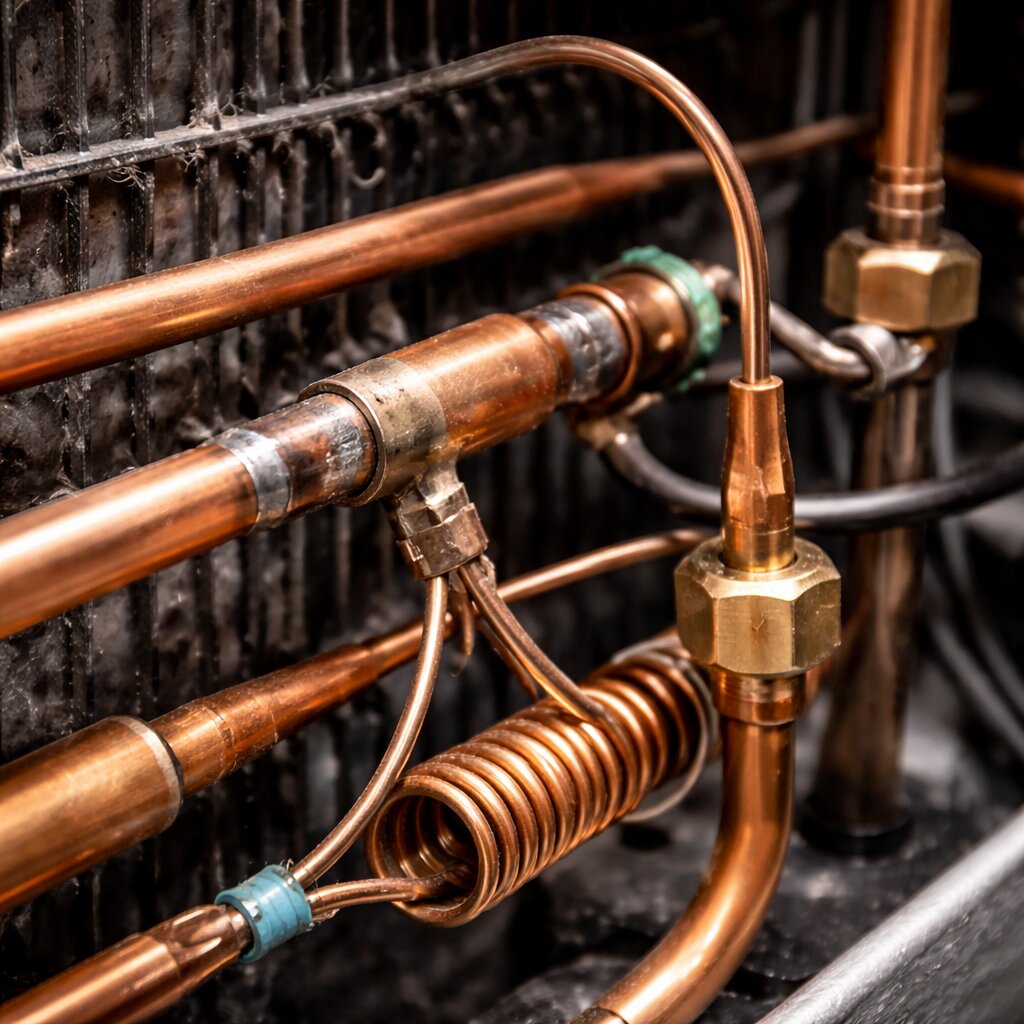
To understand these noises, you must understand the basic laws of thermodynamics. Your refrigerator absolutely does not "create" cold air; rather, it actively absorbs and removes heat from the interior cabin. It accomplishes this miraculous feat by relying on a highly specialized chemical Freon (typically R-134a in older models or the highly eco-friendly, yet highly flammable R-600a Isobutane in modern units) cycling continuously and violently between a dense liquid and an expansive gaseous state. The heavy compressor forcefully squeezes this gas into a high-pressure, incredibly hot liquid. As this highly pressurized, boiling liquid chemical mixture is suddenly forced through the microscopic, straw-like capillary tubes and rapidly expands into the much larger, cavernous evaporator coils hidden inside your freezer, it violently boils, vaporizes, and bubbles as it rapidly drops in temperature to sub-zero levels. This extreme physical and chemical reaction naturally creates a very distinct gurgling, bubbling, or rushing water sound deep inside the insulated walls of the appliance. It is simply the sound of thermodynamics functioning exactly as engineered.
When Hissing Transitions from Normal to Catastrophic
While a soft, gentle hiss is entirely normal, particularly during the scheduled defrost cycle (as melting, liquid water droplets directly hit the blazing hot, 140-degree glass defrost heater element and instantly vaporize into steam), a loud, continuous, highly aggressive hissing sound accompanied by a sudden, drastic lack of interior cooling is a massive, critical red flag. This specific combination of symptoms indicates a physical, microscopic puncture in the sealed copper tubing. This means your expensive appliance is actively and uncontrollably venting its vital, irreplaceable refrigerant gas directly into the atmosphere of your kitchen. Once the system is entirely depleted of this gas, the compressor will run endlessly, but the interior will reach room temperature, requiring highly expensive professional copper welding and gas recovery to fix.
If your refrigerator is currently emitting a highly distinct, incredibly rhythmic "click... intense buzz... click" sound every two to five minutes, you are unfortunately experiencing the absolute most critical and financially dangerous acoustic warning a refrigerator can possibly produce. This highly specific sound is the literal, audible death rattle of your entire cooling system desperately attempting to start its engine, severely failing, and forcefully shutting itself down to prevent a catastrophic electrical fire in your home.
The Intricate Mechanics of the PTC Start Relay and Thermal Overload
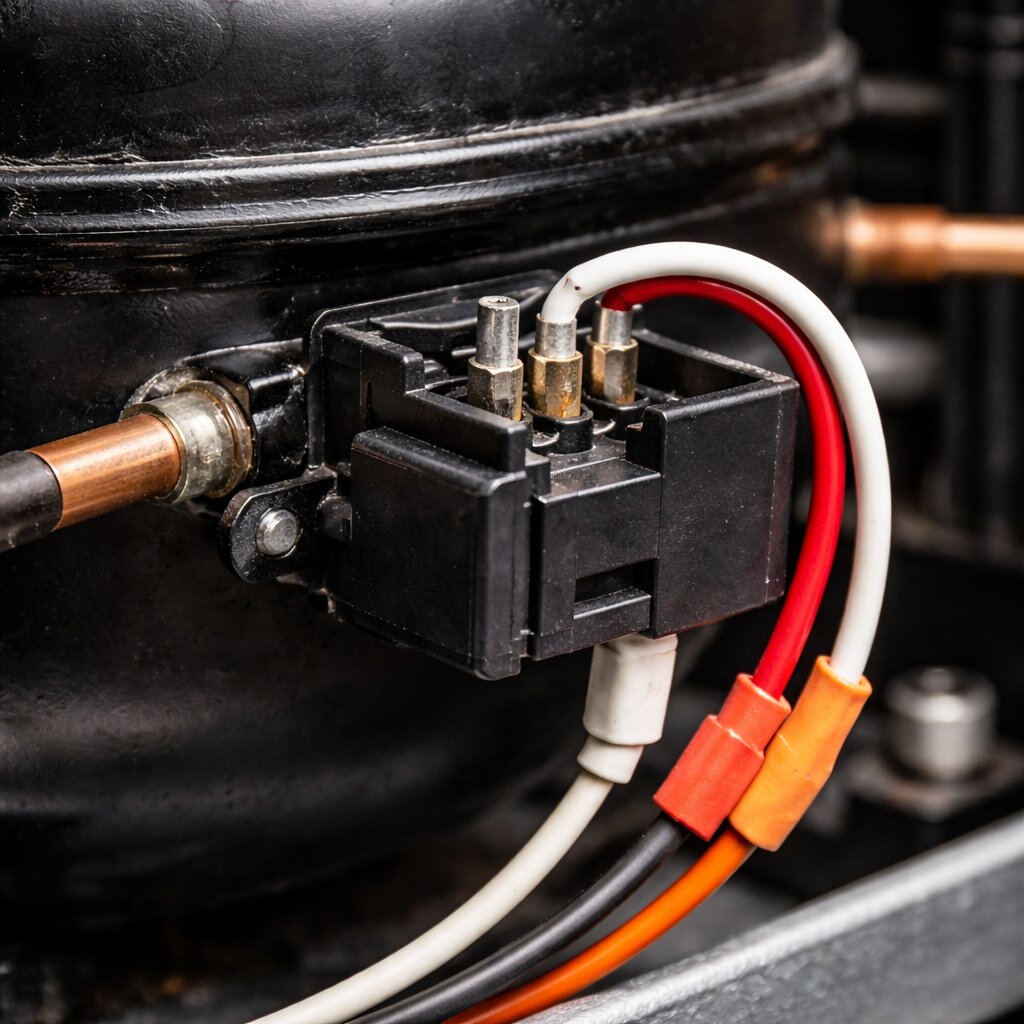
To fully grasp why this is happening, you must look at the powerhouse of the machine. The large, heavy, black, football-sized compressor located at the very bottom rear of your fridge is an incredibly powerful electrical pump. To overcome massive internal pressures and physically kickstart its heavy internal piston from a dead stop, it requires a massive, instantaneous surge of electrical amperage—often drawing three to five times its normal running current for just a fraction of a second. A small, highly fragile component plugged directly into the side of the compressor called the PTC (Positive Temperature Coefficient) Start Relay is solely responsible for delivering this massive jolt of power to the start windings.
If the delicate ceramic disc inside this relay cracks or burns out (which is incredibly common after a severe summer thunderstorm or power grid surge), the compressor physically cannot turn on. It becomes "locked-rotor." When the compressor stalls, it instantly begins to draw a highly dangerous amount of electrical current, rapidly heating up to dangerous temperatures. To prevent the wiring from melting and starting a kitchen fire, a secondary safety device called the Thermal Overload Protector (a small bimetallic disc) violently snaps open, forcefully cutting the electrical circuit. That exact snapping action is the loud "CLICK" you hear. The overload protector will then wait five minutes, physically cool down, snap shut, and allow the system to try to start again, resulting in an endless, deeply frustrating loop of clicking while the inside of your fridge slowly and inevitably grows warm and spoils your food.
The Professional “Shake Test” Diagnostic Method
Diagnosing a completely shattered start relay is surprisingly easy and requires virtually no tools. Once you safely unplug the fridge from the wall outlet and carefully pry the small plastic relay box off the three metal terminal pins protruding from the side of the heavy compressor, simply hold the component up to your ear and shake it vigorously. If it rattles loudly like a baby's plastic maraca or a broken incandescent lightbulb, the highly vital ceramic thermistor disc inside has completely shattered into pieces. Purchasing and snapping on a brand new, twenty-dollar replacement relay will instantly cure the dreaded clicking loop and completely save your entire appliance from the landfill.
While mechanical grinding and electrical clicking represent physical hardware failures, a continuous, high-pitched electronic beeping or chiming is your refrigerator's digital computer screaming for your immediate attention. Modern smart refrigerators are absolutely packed with highly sensitive environmental sensors. When one of these sensors detects a condition that threatens the safety of your food or the operational efficiency of the machine, it triggers an audible alarm that is specifically engineered to be completely impossible to ignore in your home. Understanding exactly what the computer is trying to tell you is the key to silencing the agonizing noise.
The "Door Ajar" and Magnetic Reed Switch Failure
The absolute most common reason for an endless chiming is the "Door Ajar" alarm. If the main control board senses that the heavy insulated door has been left open for more than three consecutive minutes, it correctly assumes all the cold air is rapidly escaping and triggers the alarm. However, if your door is visibly and firmly closed, but the fridge continues to beep relentlessly, the actual physical switch that detects the door's position has failed. Older refrigerators utilize a simple, mechanical push-button switch mounted directly on the inner plastic frame. If the plastic housing cracks or the internal metal spring rusts, the button physically stays extended, completely tricking the computer into thinking the door is wide open.
Modern, high-end refrigerators (like late-model Samsung, LG, and Bosch units) utilize highly advanced, completely invisible "Magnetic Reed Switches." A powerful magnet is deeply embedded inside the rubber gasket of the swinging door, and a highly sensitive electronic sensor is hidden behind the plastic frame of the fridge body. When the door closes, the magnetic field physically pulls a tiny metal reed inside the sensor, closing the circuit. If the heavy door begins to sag on its hinges over years of heavy use, the magnet will permanently fall out of perfect alignment with the sensor. The door will be physically shut tight, but the computer is completely blind to the magnet, resulting in an endless, maddening beeping alarm and the interior lights refusing to turn off, which generates excess heat inside the cabin.
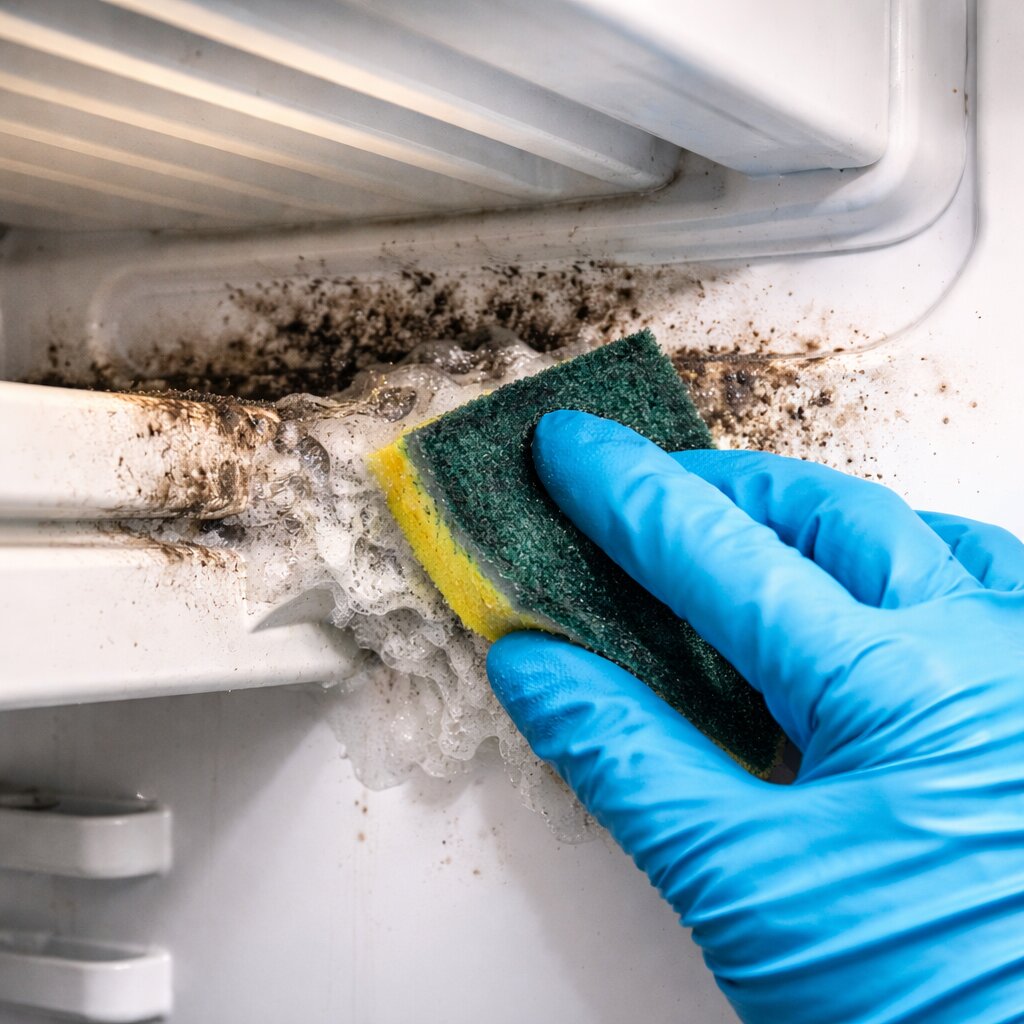
6. How to Clean a Severely Smelly Fridge (Musty & Rotten Odors)
Odors are just as problematic, if not more so, than mechanical noises. A refrigerator is fundamentally designed to be a highly sanitary, perfectly controlled environment for human food preservation. If your refrigerator constantly smells like a damp locker room, rotting cabbage, or putrid eggs even after you have aggressively thrown away every single piece of expired produce, washed out the Tupperware, and wiped down the main glass shelves with bleach, the true source of the intense biological odor is deeply hidden in the mechanical recesses of the appliance.
The Hidden Ecosystem of the Drip Pan
The undisputed number one cause of a deeply persistent, incredibly musty smell that seemingly cannot be defeated is the exterior defrost drain pan. To fully understand this, you must look at the defrost cycle. Every day, the freezer actively melts frost off its coils. This resulting water funnels down a hidden PVC tube inside the back wall of the fridge and empties into a wide, incredibly shallow plastic tray situated directly underneath the appliance on the floor, right next to the blazing hot compressor. Because this hidden area is exceptionally warm, completely dark, and perpetually damp, it is the absolute perfect, optimal breeding ground for toxic black mold, thick algae, and foul-smelling bacterial colonies.
Going Far Beyond Simple Baking Soda
If highly contaminated fluids, such as raw spoiled meat juices, spilled inside the main fresh food cabin months ago, seeped under the crisper drawers, and successfully traveled down the defrost drain tube into this hidden pan, the resulting biological rot will permeate your entire kitchen every time the condenser fan kicks on and blows air across the floor. While an open, fresh box of Arm & Hammer baking soda is excellent for maintaining a generally fresh fridge interior by absorbing mild ambient odors, it is completely mathematically powerless to defeat an active, thriving bacterial colony residing in the drain pan or clinging to the internal air circulation vents. Fixing a deeply smelly fridge requires aggressive, surgical intervention.
7. Why Does My Ice Taste or Smell Bad? (The Garlic Phenomenon)
There are few things more instantly repulsive than pouring a fresh, cold glass of premium filtered water or expensive soda, dropping in a handful of ice cubes from your freezer, and taking a sip only to be hit with the distinct, overpowering flavor of week-old chopped onions or raw garlic. When your ice maker is producing perfectly solid, well-formed cubes, but those cubes taste absolutely horrific, you are dealing with a fascinating quirk of chemistry and airflow dynamics, not a broken mechanical component.
The Physics of Sublimation and Airborne Odor Absorption
To solve this terrible tasting mystery, you must understand two key facts about your refrigerator. First, modern refrigerators rely heavily on shared airflow. A single, powerful evaporator fan constantly blows freezing air back and forth between the freezer compartment and the fresh food compartment to maintain temperatures. This means the air touching your ice cubes is the exact same air touching your leftover takeout food. Second, ice acts exactly like a highly porous, incredibly absorbent sponge for airborne molecules. This occurs due to a physical process called sublimation—where solid ice slowly turns into a gas and back into a solid without becoming a liquid. As the ice sits in the bucket for days or weeks, it literally absorbs the microscopic, volatile organic compounds (VOCs) floating in the shared air.
If you leave half an onion wrapped loosely in plastic wrap in the main fridge, the sulfur compounds from that onion will become airborne, travel through the air vents into the freezer, and be permanently locked into the crystalline structure of your ice cubes. By the time you put those cubes in your drink, you have essentially created onion-flavored water. The older the ice is, the more potent and disgusting it will taste. If you don't use ice frequently, the bottom layer of cubes in your massive bin could be months old, having absorbed dozens of different food smells over its lifespan.
8. Why Does My Water Taste Like Plastic or Chemicals?
While bad-tasting ice is almost always caused by airborne food odors, bad-tasting liquid water coming directly from the door dispenser points to a completely different set of highly specific material and filtration issues. If your chilled drinking water tastes strongly of bitter plastic, harsh chemicals, or metallic tap water, the problem lies entirely within the physical plumbing pathway the water travels before it hits your glass.
The New Refrigerator Break-In Period and PEX Tubing
If you have just purchased a brand-new, multi-thousand-dollar refrigerator, or if you recently pulled the appliance out to install a brand-new braided water supply line to the wall, a strong plastic taste is unfortunately highly common. Modern refrigerators utilize dozens of feet of highly flexible PEX (cross-linked polyethylene) plastic tubing coiled tightly inside the doors and back panels to transport and chill the water. When these plastic lines are brand new from the manufacturing factory, they can leach harmless, but terrible-tasting, volatile organic compounds directly into the water that sits stagnant inside them for hours. This requires a massive, sustained flushing period of several gallons to clear the lines and properly "cure" the internal plastic.
Furthermore, if you have an older refrigerator and the water suddenly begins tasting heavily of municipal chlorine or metallic pipe rust, your internal carbon water filter has completely failed. A water filter is a dense block of activated charcoal designed to physically trap microscopic impurities and chemically bond with chlorine. Once that charcoal block is entirely saturated and full of dirt—usually after exactly six months of heavy family use—it physically cannot absorb another single drop of chemicals. The dirty, highly chlorinated tap water simply bypasses the saturated carbon block and flows directly into your drinking glass, bringing all the terrible municipal tastes with it.
While organic smells from rotting food are simply gross, sharp chemical smells are incredibly dangerous. If you open your refrigerator doors or walk past the appliance and are suddenly hit with an intense, eye-watering scent of burning plastic, electrical ozone, sharp nail polish remover, or harsh industrial chemicals, you must immediately treat the situation as a critical, high-level fire hazard or a toxic gas exposure event.
Electrical Melt-Downs vs Chemical Freon Leaks
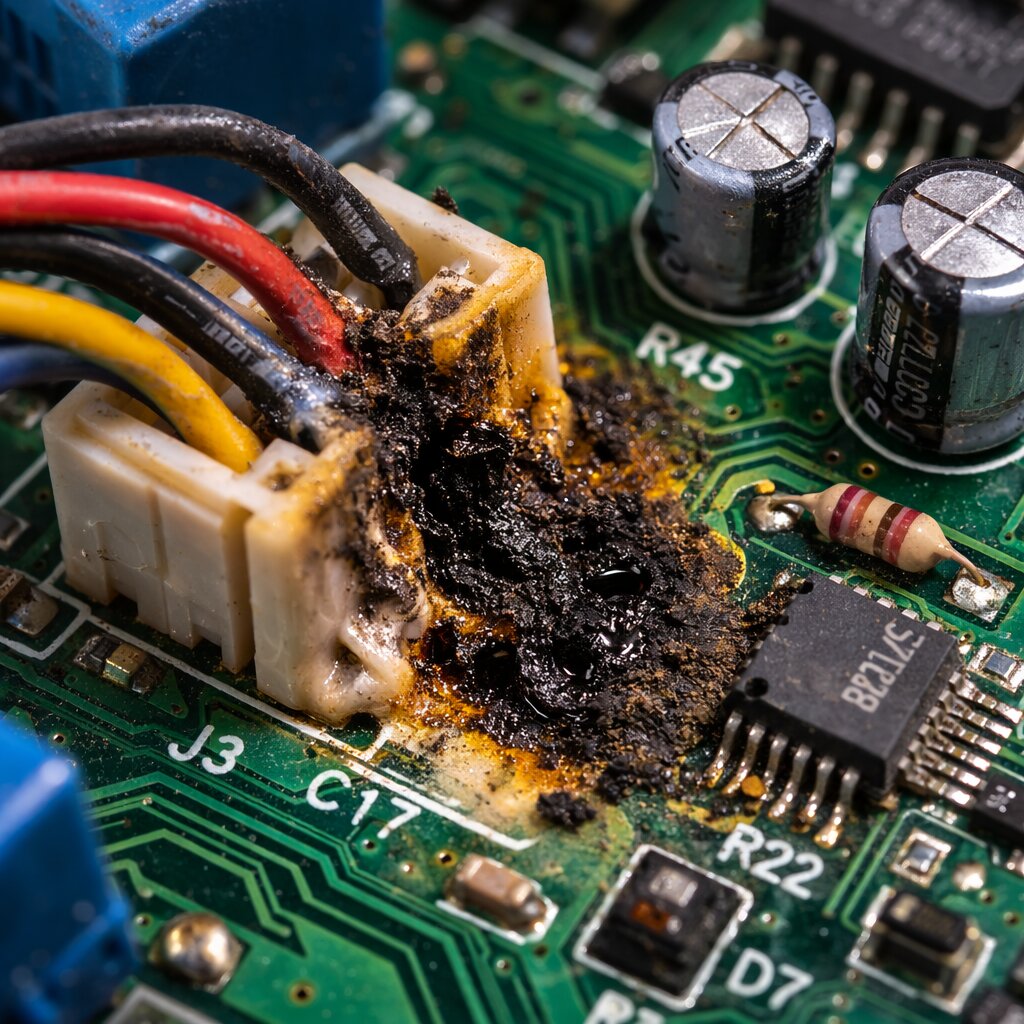
A heavy, acrid burning plastic smell almost universally points to a failing, overheating electrical component struggling under high voltage. Often, the main electronic control board (the computer brain) located on the exterior back panel of the unit has suffered a severe short circuit, causing a delicate microchip or a plastic wire harness connector to literally melt, scorch, and release toxic smoke into the air. Similarly, if the compressor is locked up, the start relay may be actively melting under the intense strain of drawing locked-rotor amperage. Alternatively, if the scent is incredibly sharp, sweet, and distinctly chemical (closely resembling acetone or strong nail polish remover), you are actively smelling escaping refrigerant gas from a fatal puncture in the sealed copper tubing system. This is especially concerning in modern refrigerators that utilize R-600a (Isobutane) refrigerant, which is highly flammable.
Immediate Emergency Action Required
If you definitively smell actively burning electrical components or raw, sweet chemical gas, do not hesitate for a single second. Unplug the heavy refrigerator power cord from the wall socket immediately to completely cut the high-voltage power source and prevent a potential catastrophic house fire. Pull the unit away from the wall to inspect the rear components for visible scorch marks. Do absolutely not plug the expensive appliance back into the wall until you or a certified, licensed appliance technician have successfully located the scorched wiring or melted computer board and safely replaced the compromised components with factory-certified original parts.
Is it normal for a brand new refrigerator to make exceptionally loud noises?
Yes, it is surprisingly common and often highly frustrating for new buyers. Modern high-efficiency refrigerators heavily utilize variable-speed inverter compressors that hum at completely different, often much higher pitches than older, traditional models. Furthermore, during the first few critical weeks of operation, you may hear intense cracking and popping sounds as the brand new plastic inner liners violently expand and contract as they adjust to the extreme temperature changes of the automated defrost cycle for the very first time.
Can a really dirty, neglected fridge cause a chemical smell?
Usually, no. Organic rot from spoiled food, spilled milk, or old vegetables strictly creates a musty, sour, or putrid biological smell. A sharp chemical or distinct burning smell is entirely different and typically related to escaping chemical refrigerant (Freon) from a punctured line or a critically failing, high-voltage electrical component, such as a melting start relay on the compressor or a scorching main electronic control board on the back of the unit.
Why does my fridge stop making a loud grinding noise the exact second I open the door?
This is a classic, absolute, and definitive sign of a severely failing internal evaporator fan motor. The modern refrigerator is intelligently engineered with a micro-switch to automatically turn the internal circulation fan completely off the exact moment the door opens. This safety feature prevents the fan from actively blowing your precious, expensive cold air out into the warm kitchen environment. If a loud, unbearable grinding noise stops instantly when you pull the door open, you have successfully isolated the mechanical problem to that specific internal fan located directly behind the back wall of the freezer compartment.
How do I successfully fix a refrigerator that won't stop making an electrical buzzing noise?
A constant, loud electrical buzzing or harsh humming sound is almost always directly associated with the water inlet valve on the back of the fridge or the ice maker harvest motor. If the ice maker switch is turned on, but the main water supply to the house is turned off (or the internal carbon filter is completely, entirely clogged), the electromagnetic valve will heavily strain and loudly buzz as it desperately tries to draw water that simply isn't there. Turn the ice maker off at the control panel to see if the buzzing instantly and permanently stops.
Why does my refrigerator constantly sound like there is water running inside the walls?
The sound of running water, trickling streams, or mild gurgling is almost always the completely normal sound of the liquid chemical refrigerant actively boiling and expanding as it travels through the complex sealed copper evaporator coils. You may also occasionally hear actual liquid water trickling down the internal PVC drain tube located in the rear of the appliance during the automated daily defrost cycle as the frost successfully melts off the freezing coils.
Can a bad water filter make my ice cubes smell like garlic?
No. A bad or old carbon water filter will make your water taste like harsh municipal chlorine, bitter plastic, or old metallic pipes. It will never introduce complex food smells like garlic or onion. If your solid ice cubes heavily smell like garlic, it is strictly because the ice has been sitting stagnant in the open bin and has actively absorbed the highly volatile, airborne sulfur odor molecules originating from uncovered food stored in the main refrigerator compartment.
About the Author: Alex Bennett
Alex Bennett is an elite appliance repair specialist with over 10 years of highly technical, hands-on experience diagnosing and successfully repairing complex residential refrigerator cooling systems, sealed system Freon leaks, and intricate electrical control board failures. He has worked extensively with advanced inverter compressor failures, delicate evaporator fan motors, complex thermostat sensor malfunctions, physical airflow restrictions, and highly dangerous electrical shorts.
Through his work at Fridge Mentor, Alex leverages his massive database of field knowledge to help homeowners clearly understand their refrigerator's complex temperature problems, troubleshoot safely without risking electrical shock, and accurately determine exactly when expensive professional repair is absolutely necessary versus when a fast, cheap DIY fix is possible. His ultimate goal is to provide incredibly clear, deeply practical guidance backed by thousands of hours of real-world repair experience.