
Is your refrigerator running constantly? Do you see condensation dripping near the door? Or perhaps you’ve noticed your electricity bill creeping up? The culprit is likely the humblest part of the appliance: the door gasket.
This rubber seal is the only barrier between your cold food and the warm kitchen air. When it cracks, dries out, or tears, your compressor has to work overtime to compensate. Fortunately, changing it is one of the easiest DIY repairs possible. This fridge gasket replacement guide will walk you through sourcing, prepping, and installing a new seal to restore your appliance’s efficiency.
Fast & Reliable Appliance Repair Services.
Get expert advice on your cooling issues immediately.
Average wait time: < 2 minutes
Available 24/7 for Emergency Support
Phase 1: Confirming the Failure
Before buying parts, verify that the gasket is actually the problem. Sometimes, a door that won’t close is due to the fridge being unlevel, not a bad seal.
The “Dollar Bill Test”
This is the gold standard for diagnosis. Open the door, place a crisp dollar bill (or piece of paper) against the seal, and close the door.
- Pass: You feel resistance when pulling the bill out.
- Fail: The bill slides out effortlessly. If this happens, warm air is leaking in, which can cause compressor overheating.
Repeat this test at multiple points around the door perimeter.
Phase 2: Sourcing the Right Part
You cannot buy a “universal” gasket. You must find the specific part number for your unit.
- Locate the Model Number Sticker inside your fridge (usually on the wall or ceiling).
- Search for this number on a parts distributor site.
- Tip: Double-check if you need the “Fresh Food Door” gasket or the “Freezer Door” gasket—they are different sizes.
Warning: Avoid “Universal” Gaskets
You will see “Universal Cut-to-Fit” gaskets online for $20. Do not buy these. Modern fridge doors have complex corners and magnetic strips embedded inside the rubber. Cutting a magnet ruins the seal. Always buy the OEM (Original Equipment Manufacturer) part for your specific model.
Phase 3: The Prep Work (Don’t Skip This!)
New gaskets come folded up in a box. If you try to install a wrinkled, stiff gasket immediately, it will not seal, and you will think the new part is defective. This is the most critical step in this fridge gasket replacement guide.
- Unpack Early: Take the gasket out of the box 24 hours before installation.
- Heat it Up: Lay it flat on the floor in a sunny room, or soak it in a bathtub of warm water for 15 minutes. This makes the rubber pliable and removes the shipping kinks.
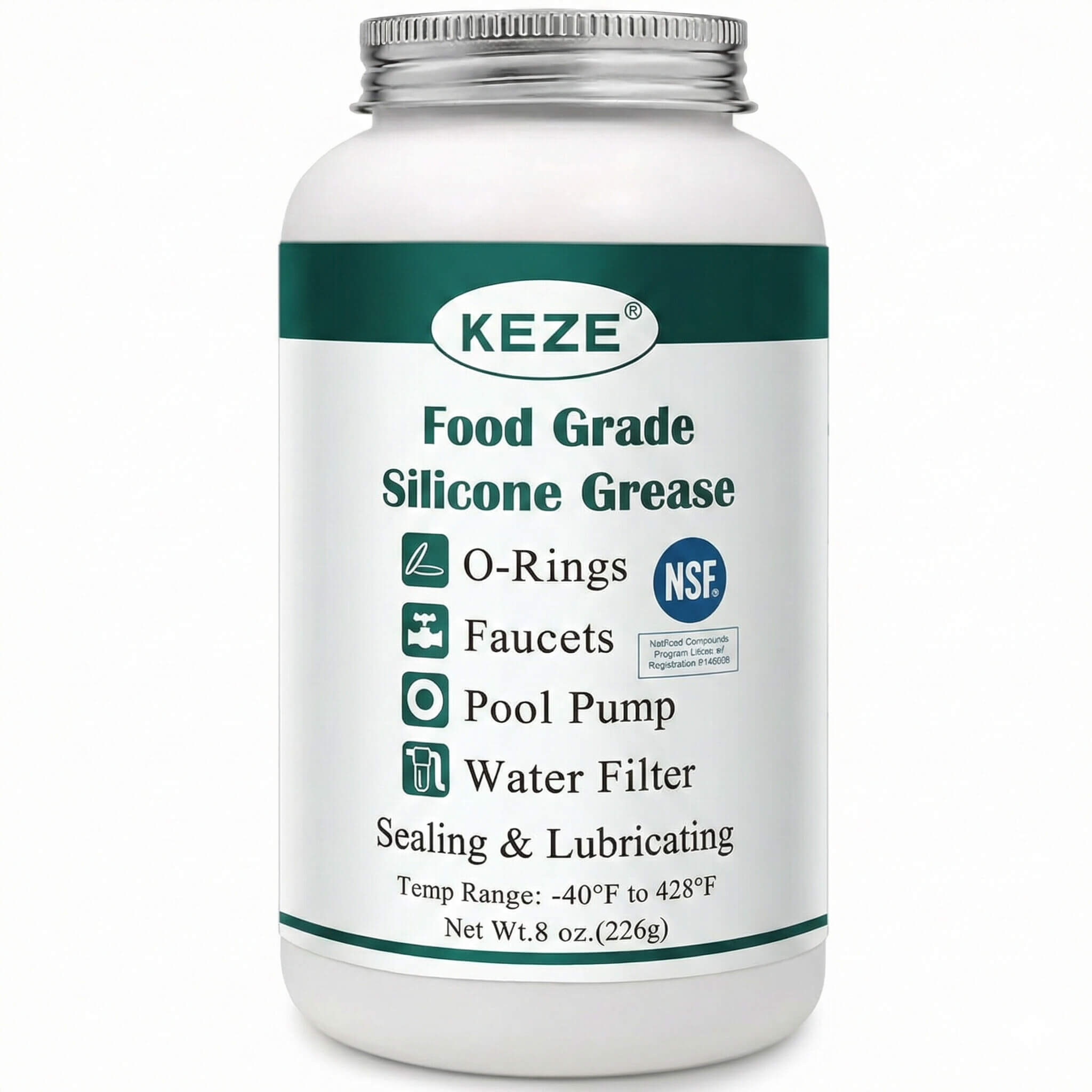
🛠️ Maintenance Essential:
Why you need this: Applying a thin layer of this grease to the hinge side of the new gasket prevents it from binding and tearing when the door opens. It also keeps the rubber soft for years.
Phase 4: Installation Guide
There are three common types of gasket attachments:
- Push-In (Dart Style): The most common on modern fridges. The gasket has a ridge that presses into a groove on the door liner.
- Screw-In: The gasket is held by a metal retainer strip and hex screws.
- Glued: Rare on residential units, common on vintage models.
Step-by-Step for Push-In Gaskets
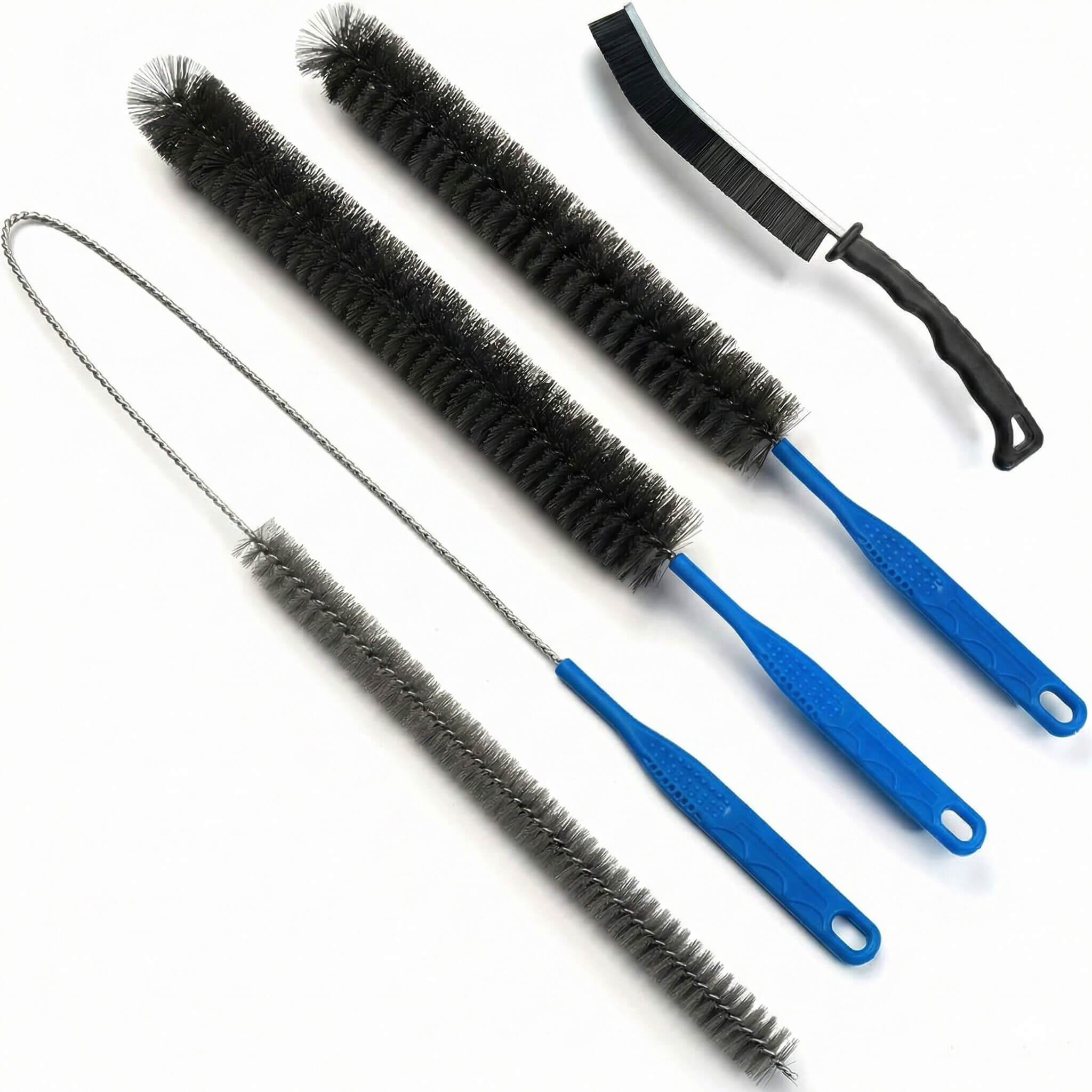
- Removal: Start at a top corner. Grab the old gasket on the inside edge and pull firmly. It should peel right out of the track. Clean the track with a wet cloth to remove mold or sticky residue.
- Installation: Start with the corners. Press the dart of the new gasket firmly into the top-left and top-right corners first. This ensures the gasket is centered.
- Working the Sides: Once the corners are seated, work your way toward the middle of the strips, pressing firmly with your thumbs.
- Smoothing: Run your finger along the entire perimeter to ensure no part of the gasket is rolled or twisted.
Phase 5: The “Hairdryer Trick”
Even after proper installation, you might see gaps where the gasket doesn’t touch the fridge cabinet. This is normal for a new part. The rubber has “memory” from being folded in the shipping box.
- The Fix: Use a hairdryer or heat gun on “High Heat.” Wave it back and forth over the gap for 2–3 minutes. The heat will soften the rubber, and the magnetic strip inside will pull the gasket tight against the metal cabinet.
- Cool Down: Close the door and tape it shut with masking tape for 1 hour while the rubber cools and “memorizes” the new shape.
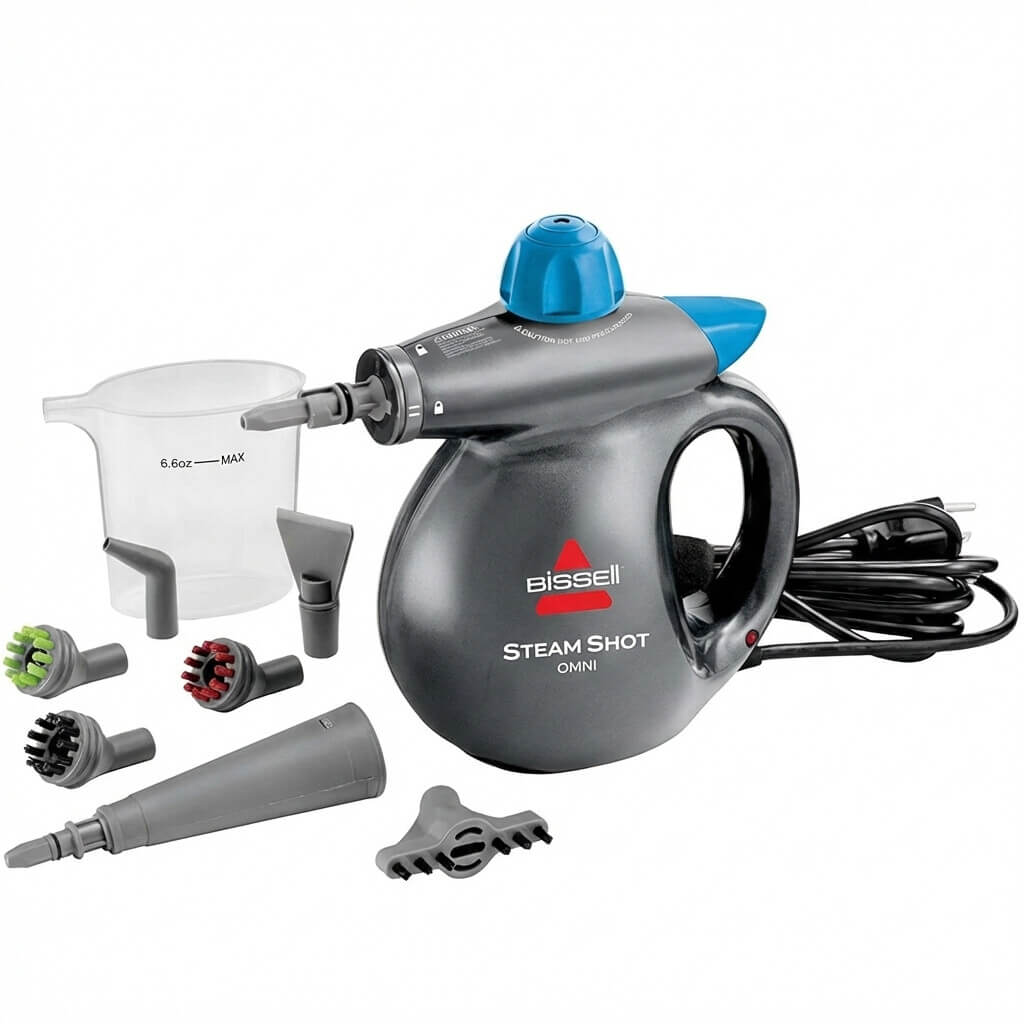
🛠️ Recommended Tool:
Why you need this: A hairdryer works, but a heat gun is faster and more precise for molding stubborn rubber seals and defrosting frozen drain lines.
Advanced: Hinge Maintenance
Sometimes, a gasket wears out prematurely because the door itself is sagging. If the door hangs crooked, the gasket pinches at the top and gaps at the bottom.
- Check the Cam: Look at the bottom hinge of the door. There is a plastic cam (often white or black) that helps the door close. If this cam is cracked or worn flat, the door will drop by 1/4 inch, ruining the seal.
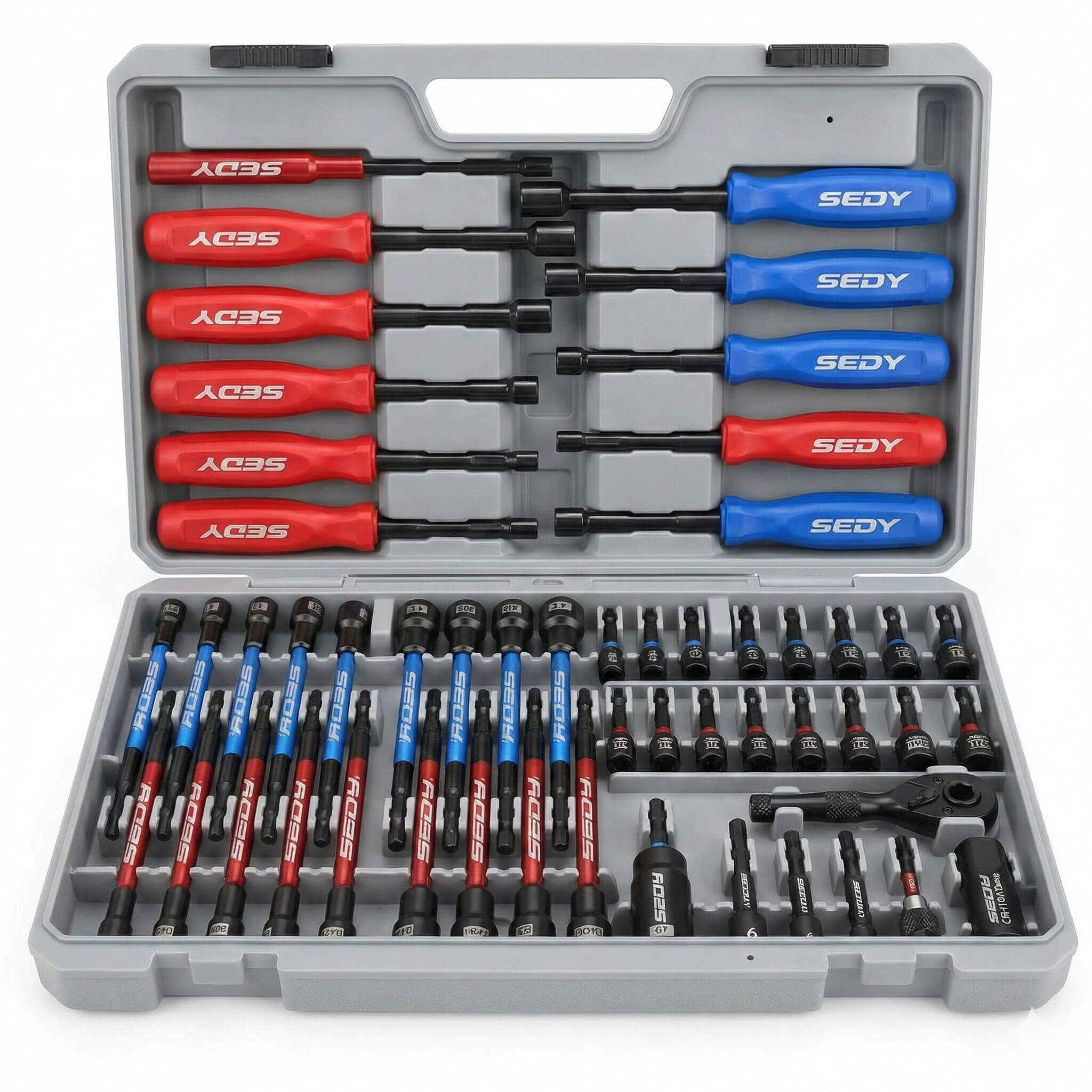
- Tighten the Hinge: Use a socket set to ensure the top hinge bolts are tight. A loose hinge allows the door to “wobble,” preventing a tight magnetic seal.
Troubleshooting: “It Still Won’t Seal!”
If you have installed the new gasket and it still pops open, check these common culprits:
| Symptom | Possible Cause | Quick Fix |
|---|---|---|
| Door Pops Open | Air trapped inside | Check air vents inside fridge |
| Gasket Twisted | Improper installation | Remove and re-seat corners |
| Gap on Hinge Side | Binding | Apply Silicone Grease |
| Magnet Weak | Cold rubber | Use Heat Gun longer |
Summary: Gasket Care Checklist
Replacing a door seal is a low-cost repair with a high return on investment. By following this fridge gasket replacement guide, you will stop energy leaks, prevent frost buildup, and extend the life of your compressor.