
If you are struggling to figure out why your refrigerator’s ice maker works perfectly, but the front door water dispenser has completely stopped flowing, you are dealing with a highly specific physical blockage. Unlike a failed electrical valve where nothing works, a dead dispenser combined with a working ice maker almost always indicates a frozen refrigerator water line.
You press your glass against the paddle, you hear the reassuring hum of the water inlet valve activating on the back of the fridge, but absolutely no water comes out. Fortunately, the good news is that no expensive internal parts are actually broken. Instead, the water trapped inside the delicate plastic tubing within the freezer door has simply turned to solid ice. In this guide, we will help you diagnose exactly why this freezing occurs and show you exactly how to manually unclog a frozen refrigerator water line safely without melting your cosmetic door panels.
We will clearly explain the precise physics of how the door insulation naturally fails over time. Furthermore, we will explore why adjusting your baseline freezer temperature is the ultimate preventative fix. Finally, we will teach you the highly effective, professional “hot water syringe” method to clear the ice plug in under ten minutes.
💡 Mentor’s Diagnostic Hub
Physical blockages and hardware upkeep are the absolute foundation of appliance longevity. This specific guide serves as a core component of our comprehensive master series on diagnosing structural leaks, clearing frozen drains, and replacing physical hardware.
Reason 1: The Freezer Temperature is Dangerously Low
Before you start injecting hot water into the appliance, you must identify why the tube froze in the first place. The 1/4-inch plastic water tube is typically routed directly through the heavily insulated freezer door to reach the front dispenser. Consequently, if the internal freezer temperature drops too far below zero, the insulation cannot protect the liquid.
If your freezer is set below -5°F, the highly vulnerable water trapped inside that plastic straw instantly freezes solid between uses.
The Thermostat Calibration Fix
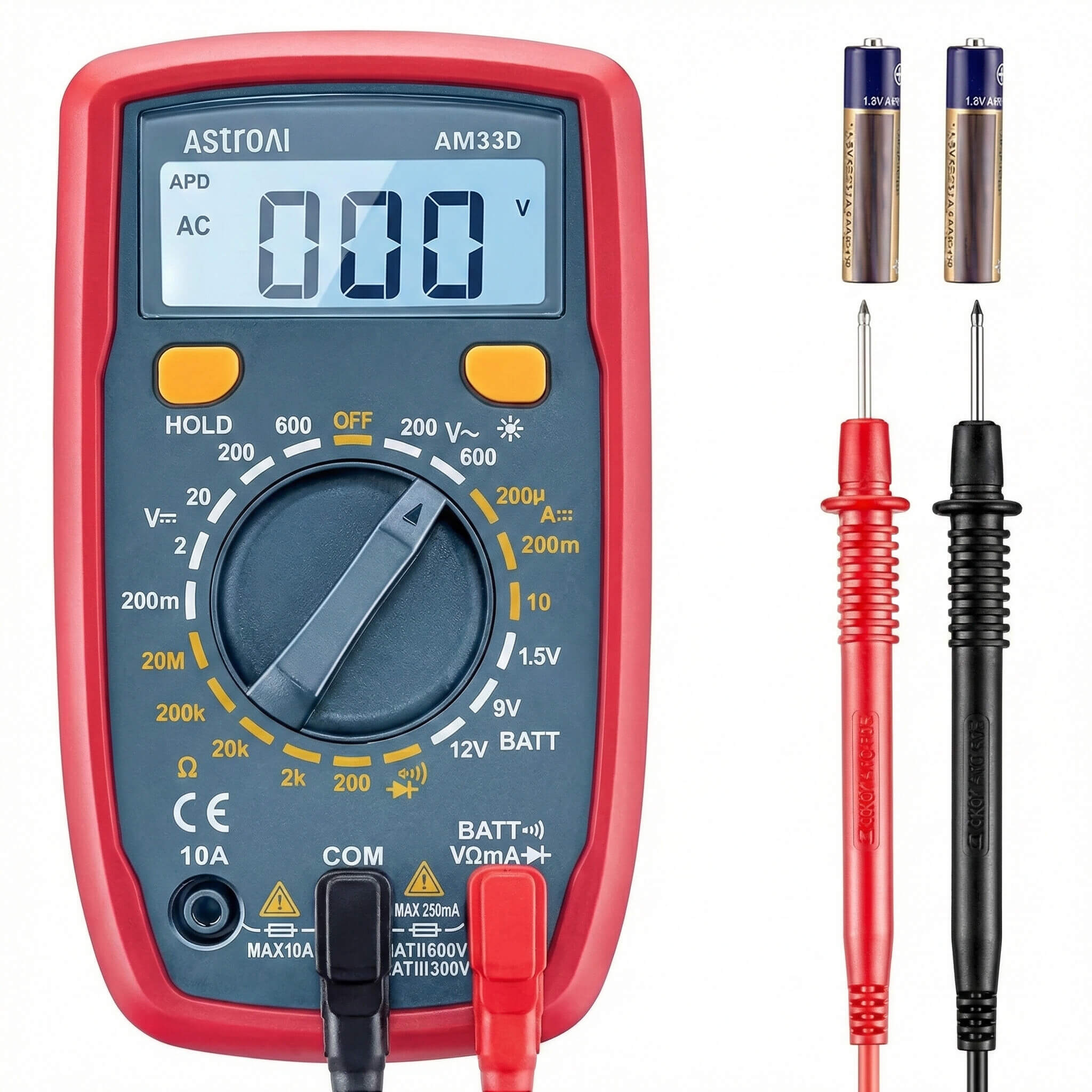
The FDA strongly recommends a freezer temperature of exactly 0°F (-18°C). Typically, homeowners accidentally bump the digital thermostat down to -10°F, or a faulty thermistor sensor forces the compressor to over-cool the cabin. Therefore, your very first diagnostic step is to verify the internal ambient temperature.
1. [Diagnostic Tool] Check Price for Digital Infrared Thermometer Gun on Amazon
If your digital thermometer registers a temperature well below zero, you simply need to adjust the thermostat dial upward and wait 24 hours. Conversely, if the temperature is perfectly normal at 0°F, proceed immediately to the manual thawing steps below.
Reason 2: Refrigerator Door Heater Failure
To actively prevent the water line from freezing, many modern refrigerators (specifically GE and Whirlpool models) feature a microscopic, low-voltage heating wire wrapped directly around the plastic water tube inside the door insulation.
Unfortunately, over years of aggressively opening and slamming the heavy freezer door, the delicate wire harness connecting this heater to the main chassis can physically snap at the bottom hinge. As a result, the heater dies, and the ambient freezing temperatures quickly turn the liquid water inside the tube into an impenetrable block of ice.
Tools You Will Need to Fix a Frozen Water Line
To effectively melt the precise ice blockage without dangerously warping your expensive plastic door liner with excessive heat, you need highly specific, targeted plumbing tools.
- Water Line Syringe Kit: This is absolutely essential. A standard turkey baster is too wide. You need a medical-style syringe with a flexible, thin plastic catheter tube that can snake up inside the dispenser.
- Hot Tap Water: You must use very hot tap water, but never boiling water, which could melt the internal PEX tubing.
- A Catch Towel: You need this to quickly absorb the overflow water as the ice plug violently melts and releases back out the front.
2. [Essential Tool] Check Price for Refrigerator Water Line Syringe Kit on Amazon
Step 1: The Safe Syringe Injection Method
You absolutely cannot use sharp tools, screwdrivers, or wire coat hangers to blindly stab the frozen plug. Doing so will instantly puncture the internal plastic water line, requiring a highly expensive, full door replacement.
Warning: Do not use a high-heat industrial heat gun directly on the front display panel! It will permanently warp the cosmetic plastic finish in seconds.
The Hot Water Thawing Process
- First, fill your specialized cleaning syringe entirely with extremely hot tap water.
- Snake the Tube: Gently push the thin, flexible catheter tubing directly up into the front water dispenser nozzle located on the outside of the door. Next, keep pushing it upward until it physically hits a hard stop. This is the solid ice plug.
- Inject the Heat: Forcefully squirt the hot water directly against the frozen blockage.
- The water will initially spill back out into your catch towel. This is perfectly normal.
- Repeat and Advance: Refill the syringe with hot water and repeat the process. Then, as the ice slowly melts, physically push the flexible catheter further up the line.
- Did the water suddenly flow through?
- Yes: You successfully melted the plug! The built-up city water pressure behind the ice will suddenly release and flow into your cup.
Step 2: The Hairdryer Method (Alternative)
If you do not have a syringe tool available and are desperate for water, you can utilize a standard bathroom hairdryer. However, this method requires extreme patience and immense caution to avoid cosmetic damage.
The Low-Heat Application
Open the freezer door and locate the exact path where the water line runs (usually behind the front dispenser panel). Turn your hairdryer to the Lowest Heat setting. Continuously wave the dryer back and forth over the inner door liner for roughly 15 to 20 minutes. Ultimately, the gentle, ambient heat will slowly penetrate the thick foam insulation and melt the tube from the outside in. Never hold the dryer stationary in one single spot.
Frequently Asked Questions (FAQ)
Why is my ice maker working but my water dispenser is not?
Can a clogged water filter cause the dispenser line to freeze?
Is it safe to use a heat gun to melt a frozen refrigerator water line?
Why does my refrigerator water line keep freezing over and over again?
Conclusion
Diagnosing exactly why a frozen refrigerator water line has stopped your dispenser is essentially a simple thermodynamic problem. Either the internal freezer temperature is drastically too low, or the low-voltage door heater has mechanically failed.
First, always start by properly verifying the internal cabin temperature utilizing a digital infrared thermometer. Next, if the temperature is correct, use the methodical, highly safe syringe injection method to actively melt the blockage from the inside out using hot tap water.
Physical blockages seem highly frustrating initially, but they operate entirely on simple physics. Once you safely melt the precise ice plug, simply adjusting your thermostat dial is often enough to get your water dispenser running flawlessly for years to come.
If you confidently cleared the ice but your water tastes absolutely terrible or has black specks swirling in it, you might need to service your filtration system. Check out our comprehensive guide on why there are black specks in your refrigerator water to ensure your family’s drinking supply is perfectly pure.