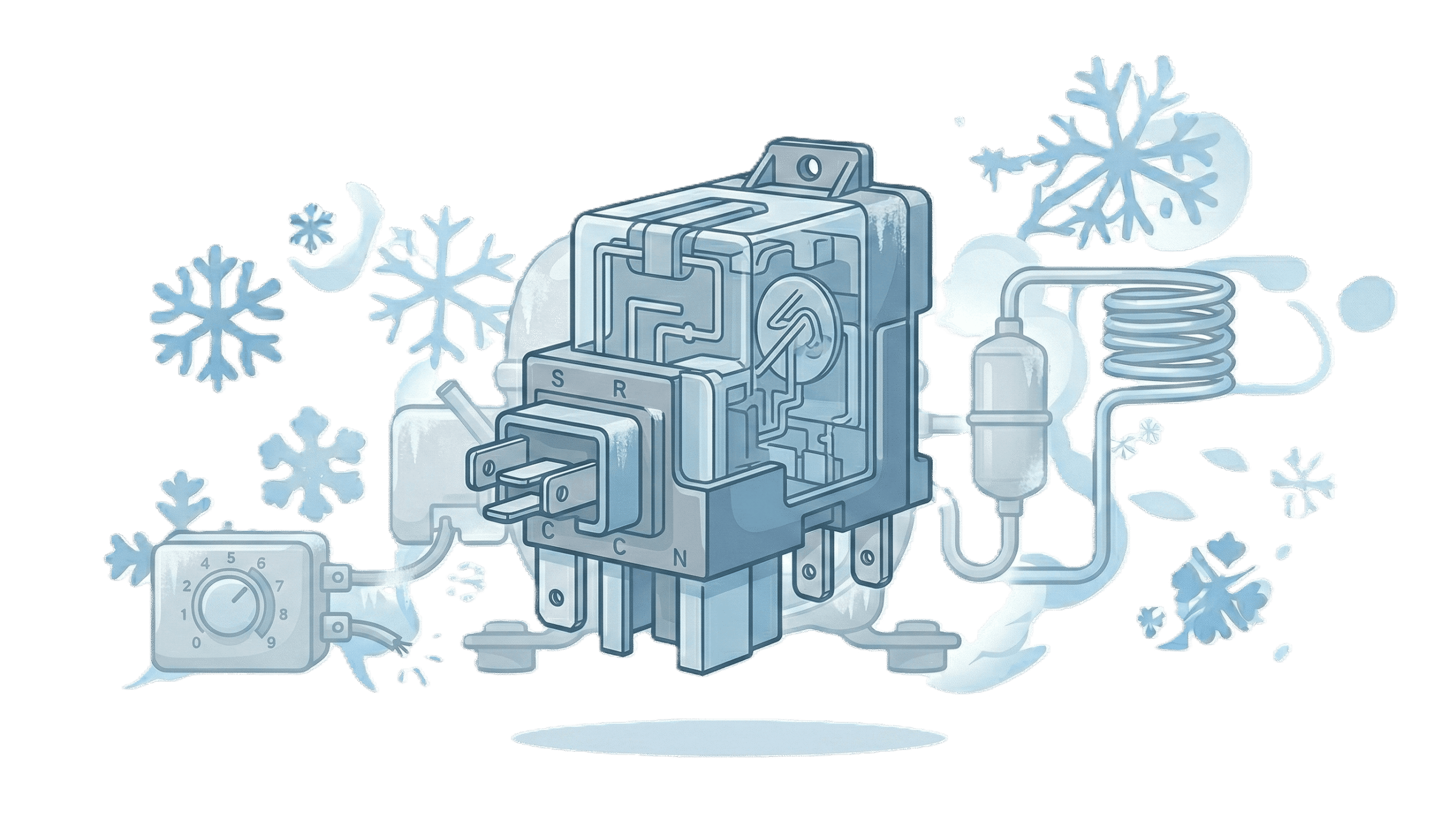
There are few household emergencies quite as frustrating or potentially expensive as discovering your refrigerator not cooling properly. Whether you have woken up to a puddle of water on the kitchen floor, realized your freezer is cold but your fridge is warm, or noticed your appliance sounds like it is running a marathon, refrigerator temperature problems require immediate attention to save your groceries and protect your investment.
As an appliance repair specialist, I have seen homeowners panic over issues that turn out to be straightforward DIY fixes, and conversely, ignore warning signs that eventually lead to catastrophic compressor failure. This comprehensive pillar guide is designed to be your ultimate resource for appliance repair troubleshooting. We will cover everything from establishing the correct fridge temperature settings to diagnosing a refrigerator running constantly.
Understanding these basics is critical because your appliance operates on a delicate balance of thermodynamics. It removes heat from the interior using a continuous cycle of refrigerant changing from liquid to gas and back again. When this heat exchange is disrupted whether by a blocked vent or a failing motor cooling stops immediately, often leading to a dreaded refrigerator not cooling scenario.
In the sections below, you will learn how to systematically identify the root cause of your cooling issues. We will walk through a step-by-step diagnostic checklist, explore the most common mechanical and electrical failures, and provide clear guidance on exactly when it is time to put away the tools and call a professional technician. Bookmark this page as your go-to hub, and follow the embedded links to our in-depth cluster guides for step-by-step repair instructions. Let’s get your kitchen running smoothly again.
1. How a Refrigerator Cooling System Works
Before diving into complex diagnostics, it is incredibly helpful to understand the basic mechanics of how a refrigerator cooling system works. Many homeowners assume a refrigerator "creates" cold air. In reality, a refrigerator acts as a heat sponge. It absorbs ambient heat from the food inside the cabin and exhausts that heat out into your kitchen.
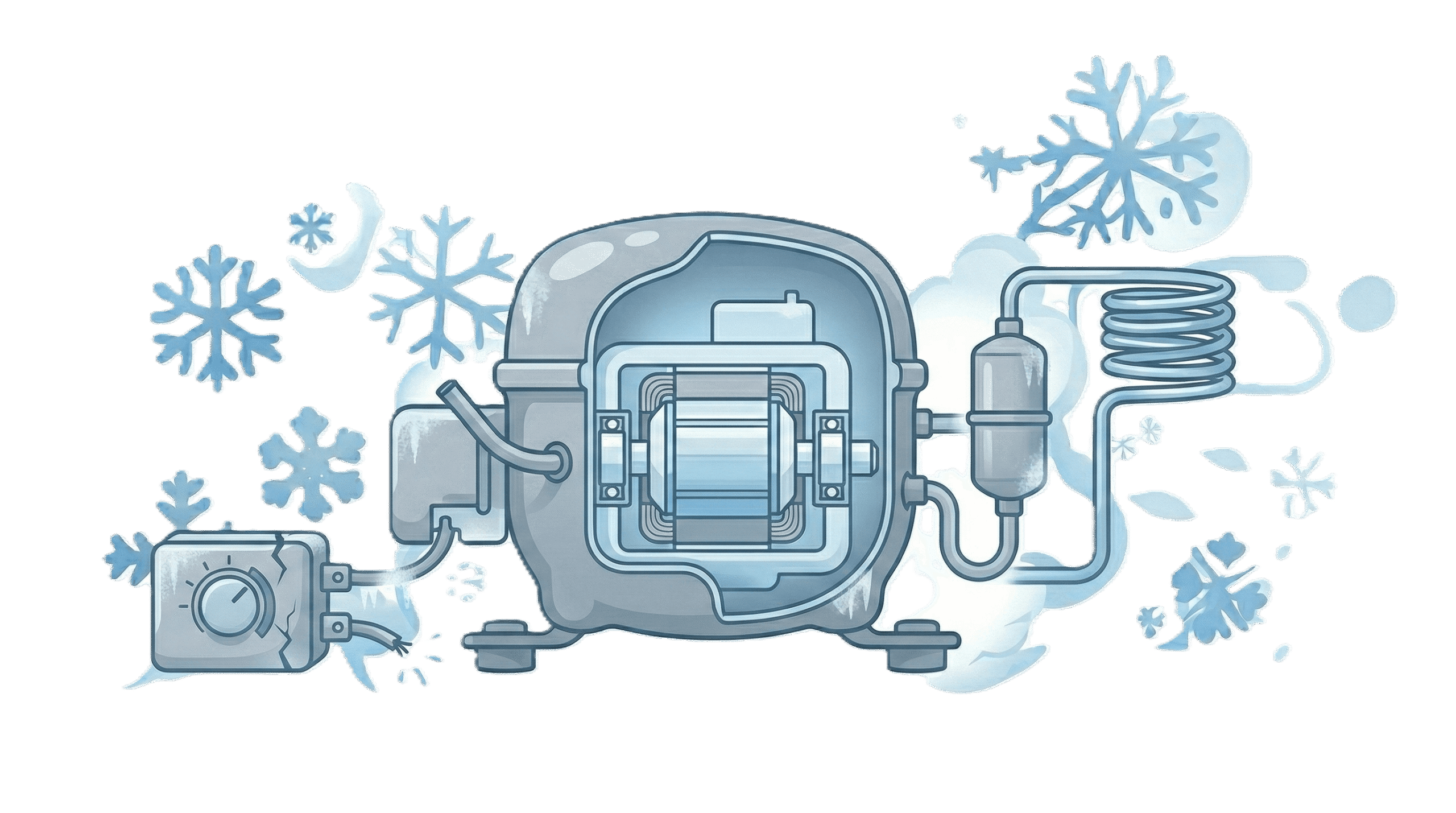
This continuous cycle relies on several major components working in perfect harmony. The compressor is the heavy mechanical heart of the system. It acts as a powerful electrical pump, pressurizing the chemical refrigerant and pushing it through the copper tubing. As the hot, highly pressurized gas leaves the compressor, it enters the condenser coils (usually located underneath or behind the unit). Here, the heat is dissipated into the room, and the gas turns into a high-pressure liquid.
Next, this liquid travels through a tiny expansion valve into the evaporator coils located inside the freezer compartment. As the liquid rapidly expands, it drops drastically in temperature, becoming freezing cold. The evaporator fan motor then blows air across these frosty coils, circulating the newly chilled air throughout the freezer and pushing it down into the fresh food compartment through a regulated damper door. If this specific fan breaks, you will quickly find your evaporator fan not working, completely halting the flow of cold air.
Finally, a temperature control thermostat continuously monitors the internal climate. Once the target temperature is reached, it signals the main board to shut the compressor off. When the cabin warms up again from you opening the doors, the cycle restarts. By understanding this closed-loop airflow and refrigerant cycle, you can much more easily pinpoint whether you are dealing with a sealed system failure or just a simple airflow restriction.
2. Recommended Refrigerator Temperature Settings
Before taking apart your appliance or ordering expensive replacement parts, the very first step in appliance repair troubleshooting is to ensure your appliance is actually programmed correctly. You would be surprised how often incorrect fridge temperature settings are the absolute most common culprit behind mild overcooling or undercooling issues. If your unit is struggling, checking for basic refrigerator thermostat problems should be your top priority.
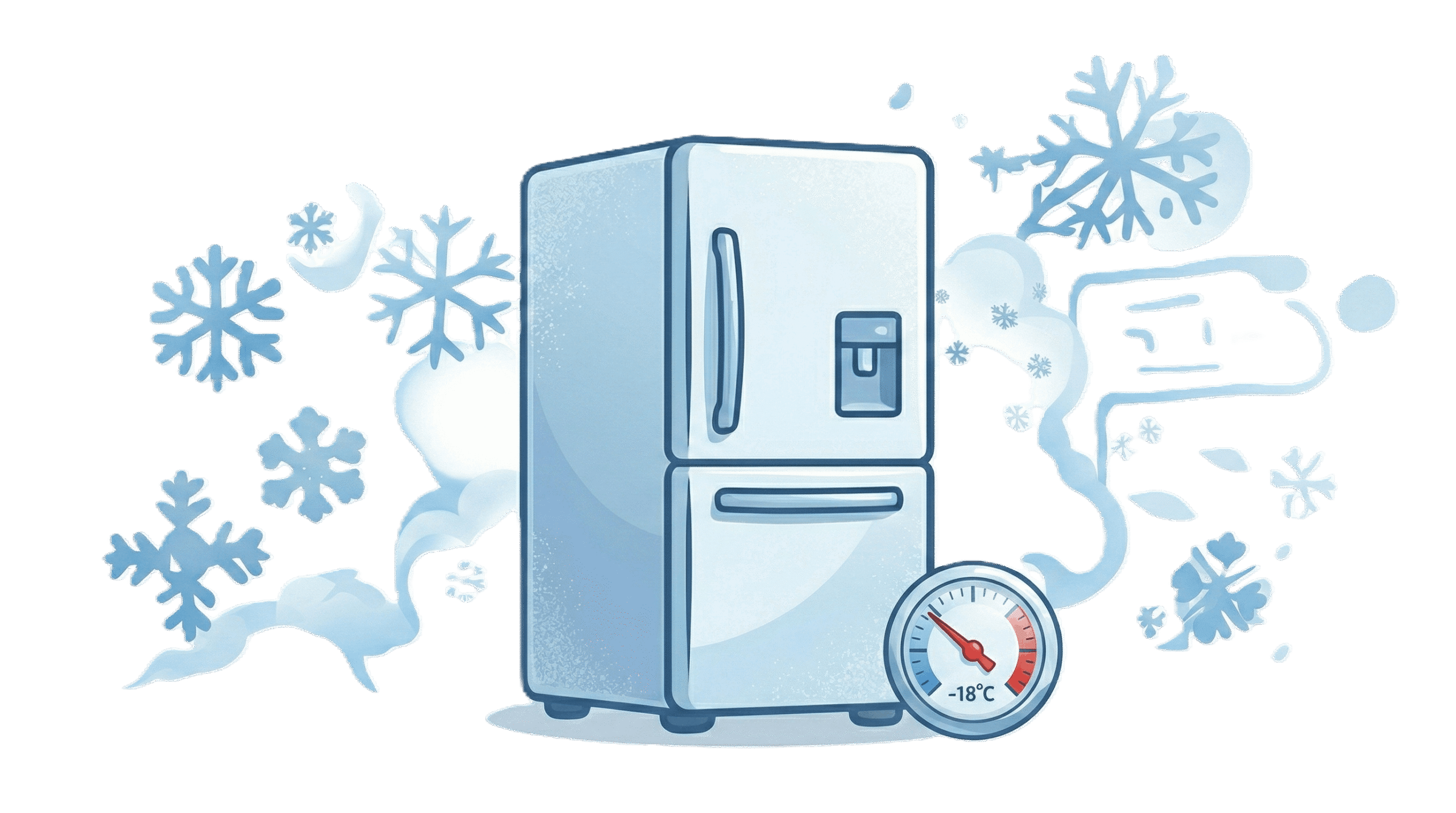
Maintaining the proper internal climate is about more than just keeping your drinks cold; it is a critical food safety issue. The FDA strongly recommends keeping your fresh food compartment between 37°F and 40°F (3°C to 4°C). Anything above 40°F puts your food in the "danger zone," a temperature range where pathogenic bacteria multiply exponentially, leading to rapid spoilage. Conversely, dropping the temperature below 32°F (0°C) will cause delicate produce, dairy, and liquids to freeze, destroying their cellular structure. For your freezer compartment, the target temperature should be strictly set to 0°F (-18°C) to prevent freezer burn.
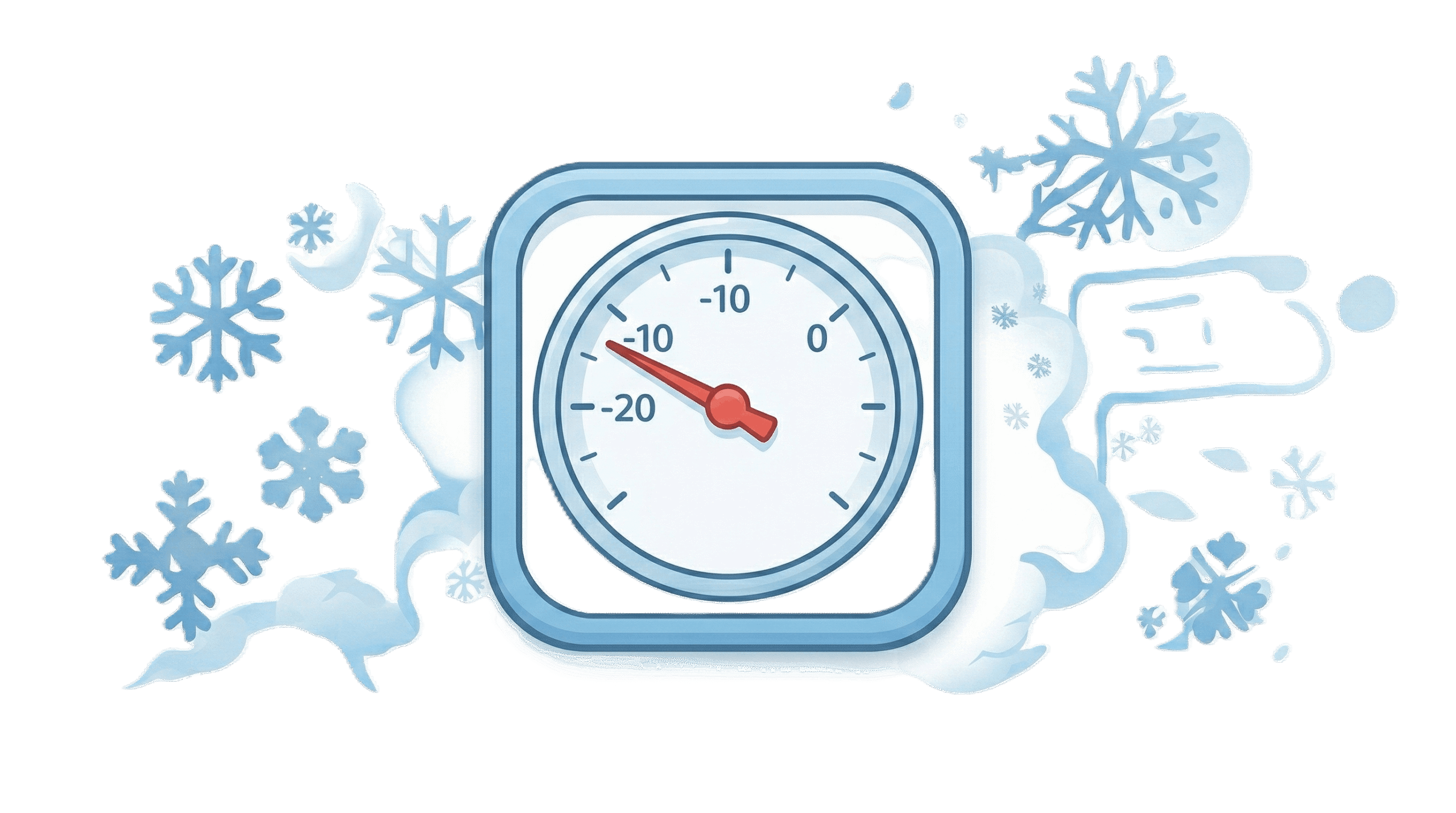
Use a secondary thermometer: Never rely solely on the digital display on your fridge door, as it displays the target setting, not necessarily the actual internal climate. Place a standard standalone appliance thermometer in a glass of water on the middle shelf and leave it for 24 hours to get a true, stabilized reading.
Check the ambient environment: Refrigerators located in unheated garages or extremely hot, sunlit kitchens will naturally struggle to maintain baseline settings, forcing the compressor into overdrive.
Allow time to stabilize: If you adjust the dial or digital setting, give the refrigerator a full 24 hours to stabilize before making further adjustments. Micro-adjusting the temperature every hour will confuse the system's sensors.
When you first notice your refrigerator not cooling, it is easy to assume the worst and imagine a massive repair bill. However, do not immediately start ordering expensive replacement parts or ripping the back panel off your appliance. Effective appliance repair relies on a methodical process of elimination, starting from the outside in.
Follow this systematic, step-by-step triage checklist to rule out the simplest and most common causes first. This preliminary diagnostic phase will save you time, money, and frustration. Often, the root cause of a temperature problem is something as simple as a blocked air vent or a bumped power cord. If your troubleshooting requires you to access any internal electrical components, you must disconnect the appliance from the wall outlet first for your safety.
Verify the Power Supply: Is the interior light turning on when you open the door? If the unit is completely dead, verify the appliance is firmly plugged into the wall and check your home’s electrical panel for a tripped circuit breaker.
Inspect the Thermostat Controls: Ensure the internal temperature dial hasn't been accidentally bumped by a large item of food or reset by a curious child.
Listen to the Appliance: Can you hear the low, steady hum of the compressor and the sound of the evaporator fan running behind the freezer wall? If the fridge is completely silent but the lights are on, you may need to test the start relay or the main control board.
Feel for Internal Airflow: Open the freezer and fridge doors. Place your hand near the rear supply vents. Do you feel cold air blowing? Poor airflow often points to a failing fan motor or physically blocked vents.
Examine the Door Seals (Gaskets): Close a dollar bill in the door and pull it out. If there is little to no resistance, your magnetic rubber gaskets are failing, allowing warm ambient air to continuously seep into the cabin.
Look for Frost Buildup: Inspect the back wall of the freezer compartment. A thick layer of frost or a solid sheet of ice indicates a major failure in the automatic defrost system.
If these initial diagnostic steps don’t resolve the issue, consider contacting a certified appliance repair technician for a professional diagnosis.
4. Common Reasons Your Refrigerator Is Not Cooling
If you have completed the preliminary checklist and your fridge is running—meaning you can clearly hear the compressor humming and the internal fans spinning—but the internal temperature is steadily rising, you are facing a core cooling failure. This scenario is one of the most frequently searched refrigerator temperature problems on the internet.
A running but non-cooling refrigerator typically indicates a massive failure in the heat exchange process. The appliance is trying its best to remove heat from the cabin, but a mechanical bottleneck or an electrical sensor failure is preventing the cold air from being generated or circulated properly. To prevent permanent compressor damage, you may need to learn how to clean refrigerator condenser coils safely and thoroughly.
Diagnosing these issues requires isolating whether the problem is an airflow restriction or a component failing to trigger the cooling cycle. Below are the most frequent culprits that cause a complete loss of cooling capacity.
Dirty Condenser Coils
Located under or behind the unit, these coils act as the radiator for your fridge. If they are caked in a thick blanket of dust and pet hair, the refrigerator cannot release the heat it absorbs. Cleaning them with a vacuum and a stiff brush is a mandatory bi-annual maintenance task that solves a massive percentage of cooling issues.
Faulty Evaporator Fan Motor
This internal fan draws air over the freezing-cold evaporator coils and circulates it throughout the cabin. If the motor burns out or the fan blades are obstructed by a wall of ice, the cold air remains permanently trapped in the freezer walls, and the main fridge compartment will slowly warm to room temperature.
Malfunctioning Thermostat
This electrical component acts as the brain for the cooling cycle, directing voltage to the compressor and fan motors based on the cabin's current temperature. If the internal contacts fail, the cooling system simply won't know when it is time to turn on, leaving your appliance warm and silent.
Failed Compressor Start Relay
The start relay is a small electrical device that gives the heavy compressor the sudden, massive boost of power it needs to turn on. If you hear a loud "click" followed by silence, and the compressor never kicks on, this small, inexpensive part is highly likely to be defective.
5. Freezer Cold but Fridge Warm (Temperature Imbalance)
A highly specific and incredibly frustrating scenario is finding your freezer working perfectly—perhaps even over-freezing—while your milk spoils and your butter melts in the fresh food section. The classic freezer cold but fridge warm dilemma is a widespread issue in the appliance repair industry, and it almost always points to an airflow restriction between the two compartments.
To understand why this happens, you have to understand modern refrigerator design. In the vast majority of residential units, there are absolutely no cooling coils in the refrigerator section. Virtually all of the cold air is generated in the freezer section by the evaporator coils. An internal fan then pushes a carefully calculated amount of that sub-zero air into the fresh food compartment through a small, mechanical vent known as a damper.
When that delicate distribution process breaks down, you get a severe temperature imbalance. The freezer continues to generate cold air but cannot vent it, leading to excessive frost buildup, while the refrigerator compartment is completely starved of the cold air it needs to maintain 37°F. Resolving this issue means finding the blockage in the airway. Here are the most common reasons your cold air is getting trapped:
❄️ Freezer: 0°F (-18°C)
🌡️ Refrigerator: 50°F (10°C) ⚠️
Defrost System Failure: The leading cause. If the defrost heater or thermostat fails, frost will rapidly build up and completely encapsulate the evaporator coils, physically choking off the air channel to the refrigerator.
Broken Damper Control Assembly: The damper is a motorized louvered door that opens to let cold air into the fridge. If it gets stuck closed, the fridge is starved of cold air.
If checking these airway components doesn't resolve the temperature imbalance, consider contacting a certified appliance repair technician for a professional diagnosis.
A refrigerator is designed to operate in calculated, efficient cycles. It should run the compressor and fans to reach the target temperature, shut off completely, and rest until the ambient temperature inside the cabin rises again. If your refrigerator is running constantly—often referred to in the industry as "short cycling" or "continuous running"—it is fighting a losing battle to maintain its climate.
A fridge that never stops running is a serious problem. Not only will it cause a massive spike in your monthly electricity bill, but it forces the mechanical compressor to work far beyond its designed duty cycle. This constant strain generates excessive heat and wear, which will inevitably burn out the compressor prematurely, turning a simple DIY repair into a total appliance replacement.
The root cause of continuous running is usually twofold: either warm air is continuously infiltrating the cabin (forcing the unit to run to compensate), or a faulty sensor is falsely telling the computer that the fridge is too warm. In rare cases, it points to a failing sealed system that is slowly leaking Freon and losing its ability to absorb heat. If you are dealing with this symptom, you must address it immediately to save your compressor. Here are the top five reasons your refrigerator won't stop running:
Worn or Damaged Door Gaskets: If the rubber magnetic seals around your doors are cracked, brittle, or coated in sticky food residue, warm ambient kitchen air will constantly leak inside, forcing the compressor to run 24/7 to compensate for the heat gain.
Defective Thermistor: The thermistor is a highly sensitive probe that monitors air temperature. If it sends a faulty resistance reading to the main board (for example, telling the board the fridge is 60°F when it is actually 38°F), the compressor will never be commanded to stop.
Dirty Condenser Coils: A thick blanket of dust on the lower condenser coils severely limits the refrigerator's ability to exhaust heat into the room. Because the heat exchange is so inefficient, the compressor has to run continuously just to achieve minimal cooling.
Failing Defrost Heater: If the automated defrost heater fails, ice builds up over the internal evaporator coils. This ice insulates the coils, drastically reducing their cooling efficiency and forcing the compressor to run nonstop to hit target temperatures.
Extreme Ambient Temperatures: Placing a standard indoor refrigerator in a hot, uninsulated garage, or directly in the path of a home heating vent or direct summer sunlight, forces the unit to work overtime just to combat the external environment.
While undercooling ruins meat and dairy, overcooling will quickly destroy fresh produce and delicate liquids. If you are pulling frozen lettuce out of the crisper drawer, finding ice chunks in your milk jug, or seeing frost form on your deli meats, your refrigerator temperature settings are drastically incorrect, or a critical component has lost its ability to regulate the cold.
Overcooling is a deceptive problem because the refrigerator is technically "working" and producing cold air, but it has lost its regulatory brain. The system is receiving a continuous, unregulated command to pump 0°F freezer air directly into the 37°F fresh food compartment. This issue often stems from a mechanical failure in the air damper or an electrical short in the temperature monitoring system. Read our tips on refrigerator freezing food if your produce continues to turn to ice.
Before assuming a part is broken, you should carefully evaluate how you are loading your groceries. Refrigerators require unobstructed internal airflow to sense temperature accurately. If you pack the shelves too tightly, you can inadvertently block the return air vents or the thermistor sensors, tricking the machine into thinking it needs to run longer than necessary. If your food placement is optimal, you will need to look at the mechanical causes. Here are the primary reasons your fridge is acting like a deep freezer and freezing food:
Incorrect Food Placement: Placing water-rich foods directly in front of the primary cold air vents will freeze them solid before the ambient fridge temperature stabilizes.
Stuck Open Damper: If the mechanical damper door gets stuck wide open, the fridge receives an unregulated, continuous blast of 0°F air from the freezer.
Faulty Main Control Board: If the internal relays on the main electronic control board short closed, the board will send continuous, uninterrupted voltage to the cooling system, plunging the fresh food compartment into freezing temperatures regardless of what you set the dial to.
8. Refrigerator Not Cooling After Power Outage
Electrical storms, grid blackouts, and sudden power surges can wreak havoc on modern, computer-driven household appliances. If your refrigerator was working perfectly before a severe storm or an unexpected power drop but is now completely warm, the issue is highly likely electrical rather than a sudden mechanical failure.
Modern refrigerators are essentially large computers that control a sealed cooling system. Just like a desktop computer or a smart TV, the electronic control boards inside your fridge are highly sensitive to sudden voltage spikes. When the power goes out and suddenly surges back on, the influx of electricity can confuse the control board's logic, trap the software in an error loop, or physically short out the sensitive microchips on the motherboard.
In many cases, the appliance isn't permanently broken; it simply needs its digital brain reset. However, if a surge was incredibly powerful, it may have blown an internal fuse, tripped a protective relay, or fried the main inverter board entirely. Before you call a technician, you should rule out simple electrical resets and learn what to do when your refrigerator is not cooling after a power outage.
The Software Glitch (Requires Hard Reset): The main control board can get stuck in a logic loop after a sudden power loss. Unplug the refrigerator entirely, wait 10 to 15 minutes for the capacitors to fully drain, and plug it back in.
Tripped GFCI Outlets: A power surge will trip these outlets to prevent fires. Check the outlet your fridge is plugged into and firmly press the "Reset" button.
Fried Control Board or Inverter: A severe surge may physically burn out the electronic boards. Look for scorch marks or a burnt plastic smell near the back.
If these electrical resets don’t resolve the issue, consider contacting a certified appliance repair technician for a professional diagnosis to prevent shock hazards.
9. When to Call a Professional Technician
While many refrigerator temperature problems can be solved with basic DIY appliance repair troubleshooting, some issues cross the line from a weekend project to a complex, potentially hazardous job. Modern refrigerators utilize high-voltage electrical circuits, highly pressurized chemical refrigerants, and heavy mechanical compressors. Knowing your limits and recognizing when to call a professional technician can save your appliance from permanent damage and protect you from physical injury.
As a general rule, any repair involving the internal electronics, simple part swapping (like replacing a failed evaporator fan motor or a start relay), or basic preventative maintenance (cleaning coils, clearing defrost drains) is completely safe for a confident DIYer. However, the moment a diagnostic points toward the "sealed system"—the closed loop of copper tubing carrying the Freon gas—you must step back.
Attempting to open, cut, or recharge a sealed system without proper training and specialized vacuum pumps is illegal in many regions and will instantly void your manufacturer's warranty. Here are the primary scenarios that strictly require professional intervention:
Sealed System Leaks: If the compressor runs, coils are clean, but there is zero frost on the evaporator coils, you likely have a Freon leak. Handling refrigerant requires an EPA Section 608 certification.
Compressor Replacement: Replacing the compressor involves cutting and brazing copper lines and using a vacuum pump. It is highly technical and requires expensive specialized tools.
Complex Electrical Diagnostics: If you are dealing with a dead main control board and lack experience reading schematics or safely using a multimeter on live voltage, a professional is absolutely required.
10. Frequently Asked Questions (FAQ)
How long does it take for a refrigerator to get cold once plugged in?
A standard residential refrigerator takes between 12 to 24 hours to fully stabilize and reach the FDA-recommended 37°F (3°C) for the fresh food compartment and 0°F (-18°C) for the freezer. This extended stabilization period is crucial because the appliance must cool the heavy plastic walls and internal insulation, not just the air. Do not load the appliance with highly perishable food like raw meat or dairy until the target temperature is reached and independently verified with a standalone thermometer. Adding warm food too early will force the compressor to work excessively hard and dramatically increase the total cool-down time.
Why is the side of my refrigerator hot to the touch?
It is completely normal for the exterior sides of some modern refrigerators to feel very warm, or even noticeably hot, to the touch. Many manufacturers have redesigned their units using a "Yoder loop," building the condenser coils directly into the interior side walls to dissipate heat, rather than placing them on the back of the appliance. This prevents thick dust buildup and saves kitchen space. However, if the walls are blisteringly hot to touch, you should check your lower kickplate for severe dust blockages that might be trapping excess heat around the compressor housing and restricting necessary airflow.
Is it cheaper to repair or replace a broken refrigerator?
The general rule of appliance repair is to follow the '50% rule.' If the estimated cost of professional repairs, including OEM parts and labor, totals more than 50% of the price of a brand-new, comparable refrigerator, replacement is usually the more cost-effective long-term option. Simple components like fan motors, start relays, and thermistors are cheap to fix. However, a full sealed system or compressor repair can cost upwards of $800. Additionally, consider the age of the unit. If your current refrigerator is over 10 to 12 years old, its major mechanical components are nearing the end of their lifespan, making costly repairs a risky investment.
What does it mean if my fridge is making a loud clicking noise?
A loud, repetitive clicking noise coming from the bottom rear of the refrigerator usually indicates a failing compressor start relay or a tripped overload protector. The relay is a small electrical component attempting to send a massive jolt of power to turn the heavy compressor motor on. When it fails, it clicks off to prevent an electrical overload, waits a few minutes, and tries again in an endless loop. Replacing the start relay is a relatively inexpensive and highly effective DIY fix that can save a refrigerator from the scrap heap without requiring a professional technician.
Why does my refrigerator smell bad even after I clean it?
If your refrigerator smells foul despite wiping down the interior shelves, the odor is likely originating from the hidden defrost drain pan. During the automated defrost cycle, water drips down a tube into a pan beneath the fridge, where it evaporates. If milk, blood, or food debris spills into this tube, it will collect in the warm pan near the compressor, creating a perfect breeding ground for mold and bacteria. You must pull the refrigerator out, locate the drain pan near the bottom rear, and sanitize it with bleach and hot water to eliminate the persistent odor.
How do I know if my refrigerator's defrost timer is broken?
A failing defrost timer will cause thick, solid ice to build up rapidly on the rear wall of your freezer compartment, eventually blocking the airflow to the fresh food section. To test a mechanical defrost timer, locate the small dial (often found behind the front kickplate or inside the control housing) and slowly turn it clockwise with a flathead screwdriver until you hear a loud "click." If the compressor immediately shuts off and you hear the sizzling sound of the internal defrost heater turning on a few minutes later, your heater is fine, but the timer motor itself has failed and requires replacement.
About the Author: Alex Bennett
Alex Bennett is an appliance repair specialist with over 10 years of hands-on experience diagnosing and repairing residential refrigerator cooling systems. He has worked extensively with compressor failures, evaporator fan motors, thermostat malfunctions, airflow restrictions, and sealed system troubleshooting.
Through Fridge Mentor, Alex helps homeowners understand refrigerator temperature problems, troubleshoot safely, and determine when professional repair is necessary. His goal is to provide clear, practical guidance backed by real-world repair experience.