
Introduction
Refrigeration has revolutionized the way humans store and preserve food, transforming domestic life and food industries alike. From simple iceboxes to today’s advanced smart refrigerators, the evolution of this essential appliance reflects technological innovation, changing consumer needs, and modern lifestyle demands. Understanding this progression provides insight into how refrigeration has shaped daily life, convenience, and sustainability practices.
The Early Beginnings: Iceboxes
Manual Cooling Methods – Before mechanical refrigeration, households relied on iceboxes, insulated cabinets that used blocks of ice to keep food cold.
Limited Efficiency – While effective for short-term storage, iceboxes required frequent ice delivery and offered minimal temperature control.
Impact on Daily Life – Iceboxes allowed families to store perishable items longer than before, reducing food waste and enabling more diverse diets.
The Advent of Mechanical Refrigeration
Early Innovations – In the early 20th century, electrically powered refrigerators emerged, replacing ice with refrigeration systems using ammonia, Freon, or other coolants.
Mass Production and Accessibility – Companies like General Electric and Frigidaire made refrigerators affordable and practical for widespread household use.
Improved Food Safety – Mechanical refrigeration reduced spoilage, limited bacterial growth, and enabled safe storage of dairy, meat, and produce.
Mid-Century Advancements
Temperature Control and Freezers – Refrigerators began including separate freezer compartments, offering greater versatility in food storage.
Design and Aesthetic Changes – Sleeker designs, colorful exteriors, and compact sizes made refrigerators an integral part of kitchen decor.
Energy Efficiency – Innovations in insulation and compressors improved energy efficiency, lowering costs and environmental impact.
The Rise of Smart Refrigerators
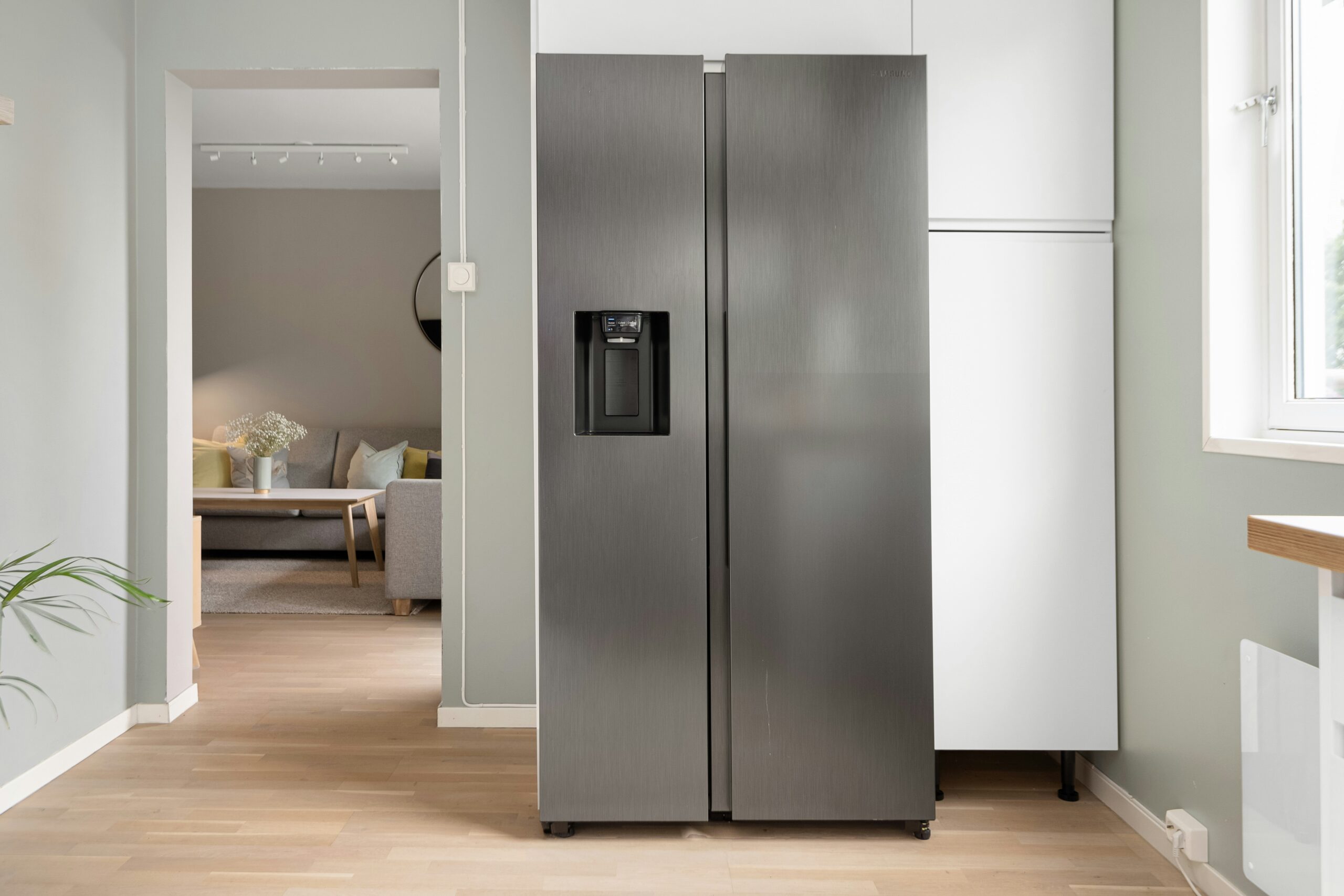
Connected Technology – Modern smart fridges integrate Wi-Fi, touchscreens, and voice assistants, allowing users to manage groceries, recipes, and inventory digitally.
Energy Monitoring – Smart features provide energy usage feedback and adaptive cooling settings, promoting sustainability and efficiency.
Enhanced Convenience – Features like cameras inside the fridge, automatic grocery ordering, and remote monitoring offer unprecedented convenience for modern households.
Future Trends in Refrigeration
Sustainable Refrigerants – New eco-friendly refrigerants aim to reduce greenhouse gas emissions while maintaining cooling efficiency.
AI Integration – Artificial intelligence can optimize temperature zones, predict spoilage, and suggest meal planning based on inventory.
Customization and Smart Features – Fridges of the future may adapt to individual family habits, dietary preferences, and energy-saving requirements.
Conclusion
The refrigerator has undergone remarkable evolution, from humble iceboxes to technologically advanced smart appliances. Each stage of development reflects innovations that enhance food safety, convenience, and sustainability. Today’s smart refrigerators not only store food efficiently but also integrate seamlessly into connected lifestyles, offering insights into the future of household technology. Understanding this evolution highlights how a single appliance can profoundly impact daily life, nutrition, and environmental practices.