
Your refrigerator is the heart of your kitchen, but it is often the most neglected appliance until it stops working. A sudden breakdown can cost you hundreds of dollars in spoiled food and emergency repairs. The good news? Most major failures are preventable with a solid plan.
By following a seasonal schedule for refrigerator maintenance tips home owners can use, you can extend the lifespan of your unit by 5–10 years and keep your energy bills low. This guide covers everything from basic cleaning to advanced diagnostic protocols using professional tools.
🌸 Spring: The “Deep Clean” Refresh
As the weather warms up, your kitchen’s ambient temperature rises, forcing your compressor to work harder. Spring is the critical time for airflow optimization.
1. Condenser Coil Deep Clean
The number one item on any list of refrigerator maintenance tips home experts recommend is cleaning the coils. During winter, dust, pet hair, and lint accumulate rapidly on these critical components. The condenser coils are responsible for releasing the heat pulled from inside your fridge. If they are clogged, the heat gets trapped, leading to compressor overheating and premature failure.
- Task: Pull the fridge out and vacuum the rear coils. For models with bottom-mounted coils, remove the front kickplate and use a long brush. (See our full guide: How to Clean Condenser Coils).
- Tool Upgrade: Standard brushes work, but moving a 300lb appliance is dangerous for your flooring. For a truly professional clean, you need to access the back without scratching your hardwood or tearing your vinyl.
🛠️ Pro Tool Recommendation:
Air Sled Appliance Mover System
Why it’s worth it: Stop straining your back! This professional tool uses air pressure to float your heavy fridge across the floor, making cleaning behind it effortless and scratch-free.
☀️ Summer: Peak Cooling Performance
Summer is the danger zone for refrigerators. High humidity and heat can cause gasket failures, condensation issues, and efficiency drops.
2. Check the Door Gaskets
The rubber seal around your door is the only thing separating your food from the hot summer air. Warm air entering the fridge causes two problems: moisture buildup (which turns into frost) and rapid food spoilage. Test your seals with the “Dollar Bill Method.” Close the door on a dollar bill; if it slips out easily, your seal is compromised and needs replacement.
3. Thermal Leak Inspection
Sometimes you can’t feel the cold air leaking out with just your hand. Tiny micro-cracks in the seal or poor insulation in the door itself can bleed energy. Advanced DIYers use thermal imaging to spot “cold spots” on the floor (indicating a leak) or “hot spots” on the electrical panel (indicating failure).
🛠️ Diagnostic Tool:
FLIR ONE Pro Thermal Imaging Camera
Why it’s worth it: Don’t guess—see the invisible. Instantly visualize where cold air is escaping from your door seals or if your compressor is running dangerously hot.
🍂 Fall: Prepare for the Feast
Before the holiday turkey enters the fridge, ensure your sanitation and ice systems are pristine. Fall is the perfect time to address internal hygiene.
4. Sanitize and Defrost
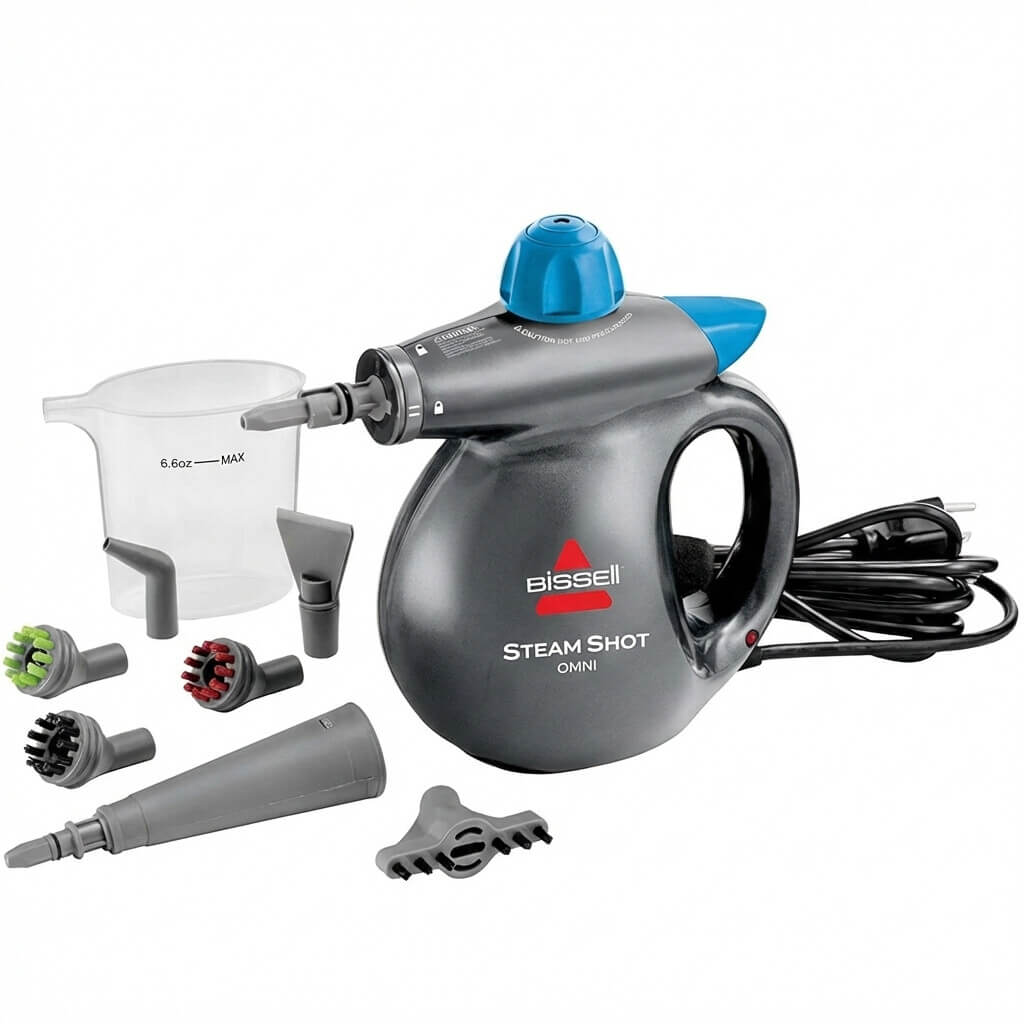
Bacteria and mold thrive in the drain pans and water lines. Chemical cleaners can be harsh near food, and bleach can crack plastic liners. The best way to sanitize shelves, unclog frozen drain tubes, and melt ice buildup is with high-pressure steam. Steam penetrates crevices that sponges cannot reach, instantly killing 99.9% of bacteria.
🛠️ Maintenance Upgrade:
Why it’s worth it: Chemical-free deep cleaning. Blast away black mold in gaskets and instantly defrost frozen drain lines without using a hairdryer.
❄️ Winter: Efficiency Mode
During winter, dry air helps your fridge run efficiently, but power surges from winter storms are a threat.
5. Water Filter Replacement
Replace your water filter every 6 months. An old filter acts as a plug, reducing water pressure. Low water pressure is a leading cause of ice maker failure, as the water valve may not close completely, causing leaks inside the freezer.
6. Surge Protection
Modern fridges are controlled by sensitive computer boards (PCBs). A single lightning strike or grid fluctuation during a winter storm can fry the main board, rendering the fridge dead. Ensure your unit is plugged into a dedicated appliance surge protector rated for at least 2000 Joules.
Advanced Care: The “Ice Ecosystem”
The ice maker is statistically the most likely component to fail in any refrigerator. To keep it running, you must treat it as a separate system.
Preventing the “Ice Bridge”
If you don’t use ice frequently, the cubes can melt slightly during the defrost cycle and then refreeze, fusing into a solid block. This “ice bridge” prevents the auger from turning, potentially burning out the motor.
- The Fix: Once a month, dump the entire bin of ice. This forces the system to create a fresh batch, ensuring the mechanical arms and augers stay active and lubricated by movement.
The “Hollow Cube” Warning
Pay attention to the shape of your ice. If your cubes are small or hollow in the middle, it indicates a restricted water line or a dying filter. Hollow cubes are dangerous because they crumble easily in the bin, creating slush that jams the dispenser chute.
Holiday Protocols: Vacation Mode Mastery
Leaving your home for the holidays? Do not simply walk away from your fridge. A power outage while you are gone can lead to a flooded kitchen if not prepped correctly.
The Pre-Vacation Checklist:
- Empty the Ice Bin: If the power goes out, the ice will melt and leak onto your hardwood floors. Dump the bin before you leave.
- Turn Off the Ice Maker: Lift the wire arm or flip the switch to “Off.” You don’t want the machine trying to make ice when no one is home to clear jams.
- The “Penny Test”: Freeze a cup of water, then place a penny on top of the ice. When you return, check the penny. If it has sunk to the bottom of the cup, it means the power went out long enough for everything to melt and refreeze—meaning your food is likely unsafe to eat.
Auditory Diagnostics: Listening to Your Fridge
Your refrigerator speaks to you. Learning to interpret its sounds is a crucial part of refrigerator maintenance tips home diagnostics.
- Sizzling/Hissing: This is actually normal. It is the sound of water dripping onto the defrost heater during a defrost cycle.
- Gurgling: Also normal. This is the refrigerant boiling inside the evaporator coils as it absorbs heat.
- Loud Clicking: This is a warning sign. It typically indicates a failed Start Relay trying and failing to kickstart the compressor. If you hear this, refer to our guide: Why Is My Refrigerator Clicking?
- Buzzing/Vibrating: usually indicates a loose component, such as the condenser fan blade hitting a debris blockage or a vibrating compressor line.
Smart Fridge Maintenance
If you own a Samsung Family Hub or LG InstaView, you have an extra layer of maintenance: software.
Manufacturers frequently release firmware updates to improve energy algorithms and fix bugs. However, these updates often fail if the Wi-Fi connection is unstable. Check your fridge’s settings menu every 3 months to ensure the firmware is up to date. Outdated firmware has been known to cause display glitches and even cooling irregularities in some advanced models. (See: Samsung Error Codes Guide).
Summary: Your Maintenance Calendar
Keeping up with these refrigerator maintenance tips home owners often overlook will save you time and money.
| Season | Primary Task | Benefit |
|---|---|---|
| Spring | Clean Coils (Move Fridge) | Prevents Overheating |
| Summer | Check Gaskets & Temps | Stops Energy Waste |
| Fall | Steam Clean & Sanitize | Food Safety |
| Winter | Replace Water Filter | Protects Ice Maker |
| Monthly | Dump Ice Bin | Prevents Auger Jam |
| Yearly | Firmware Update | Optimizes Smart Features |