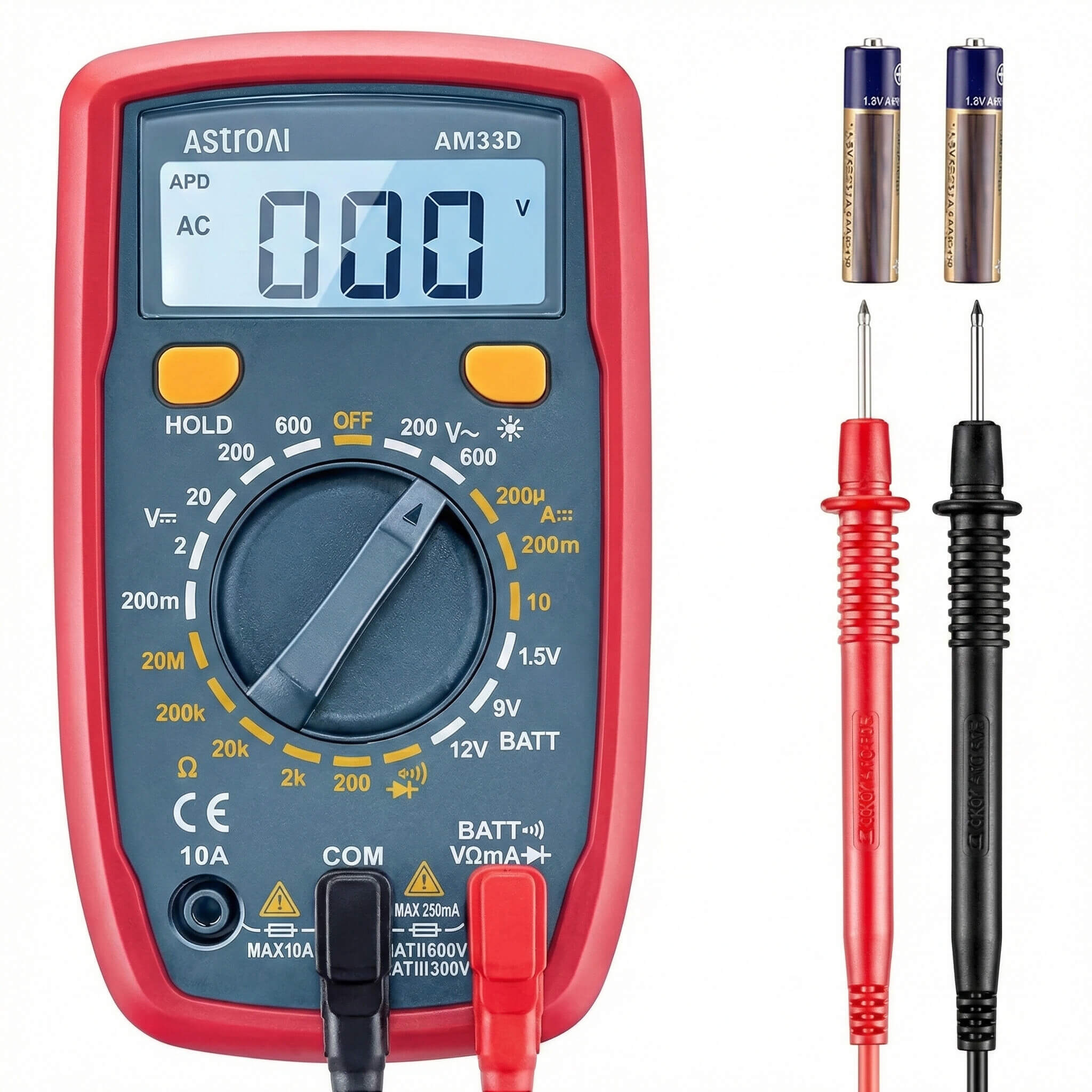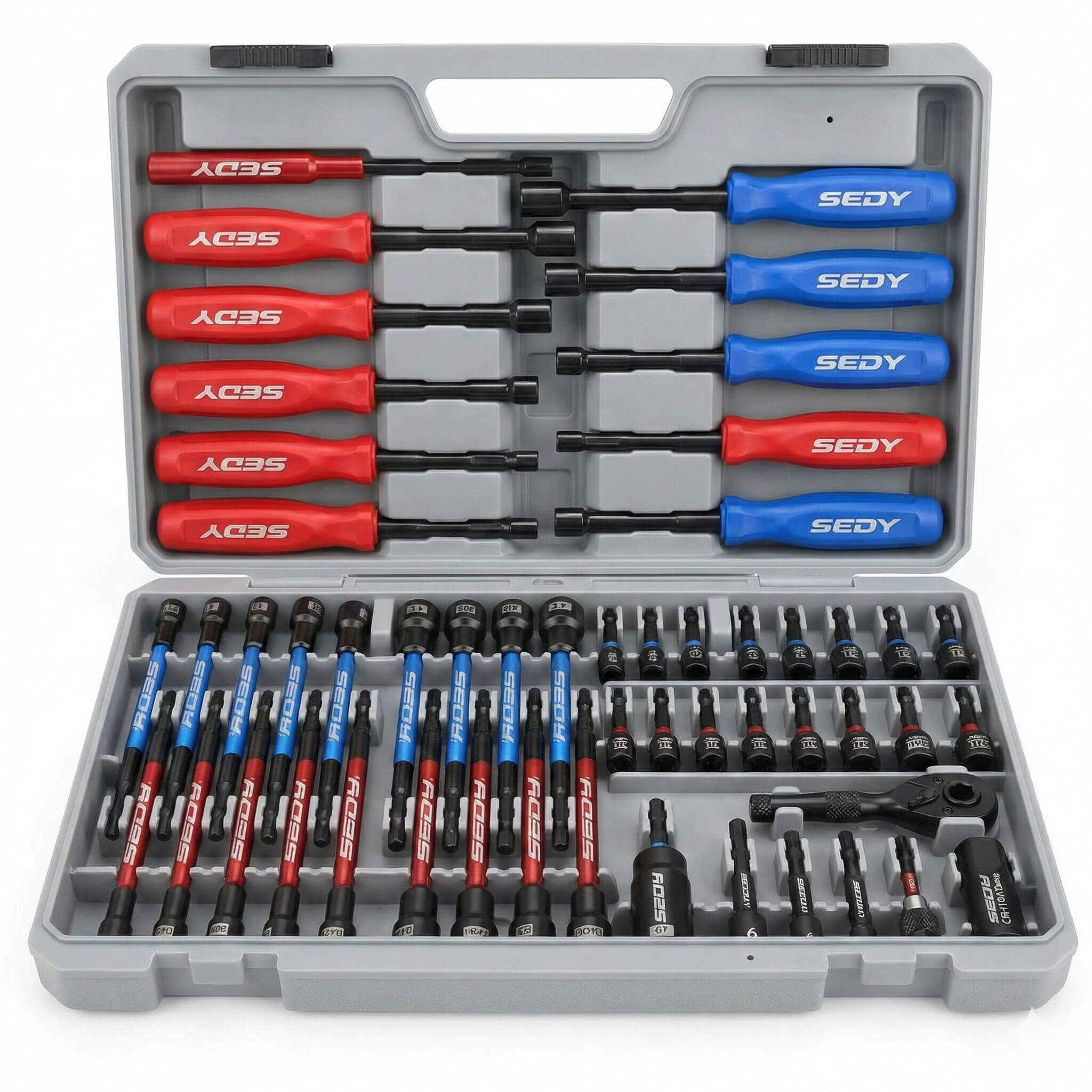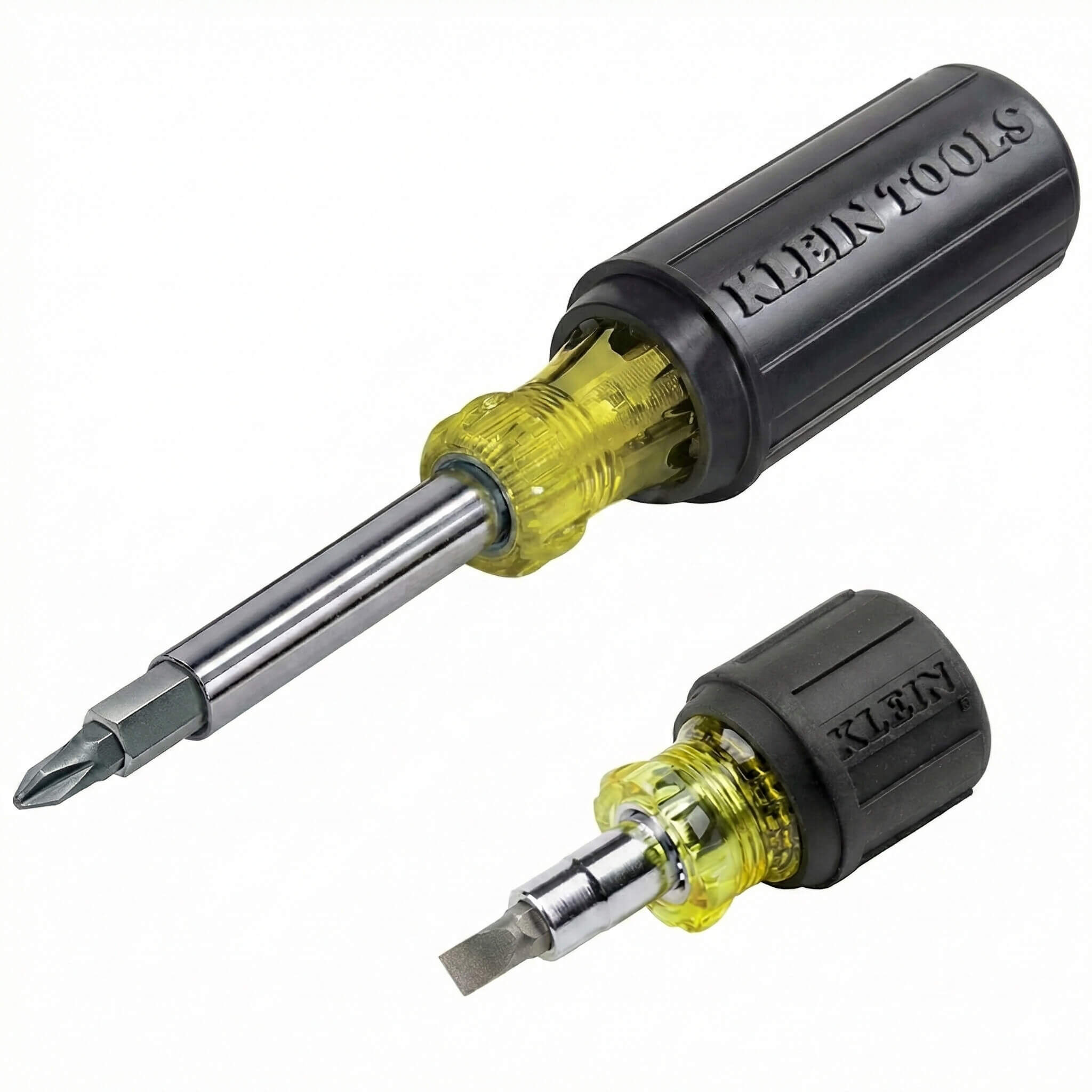

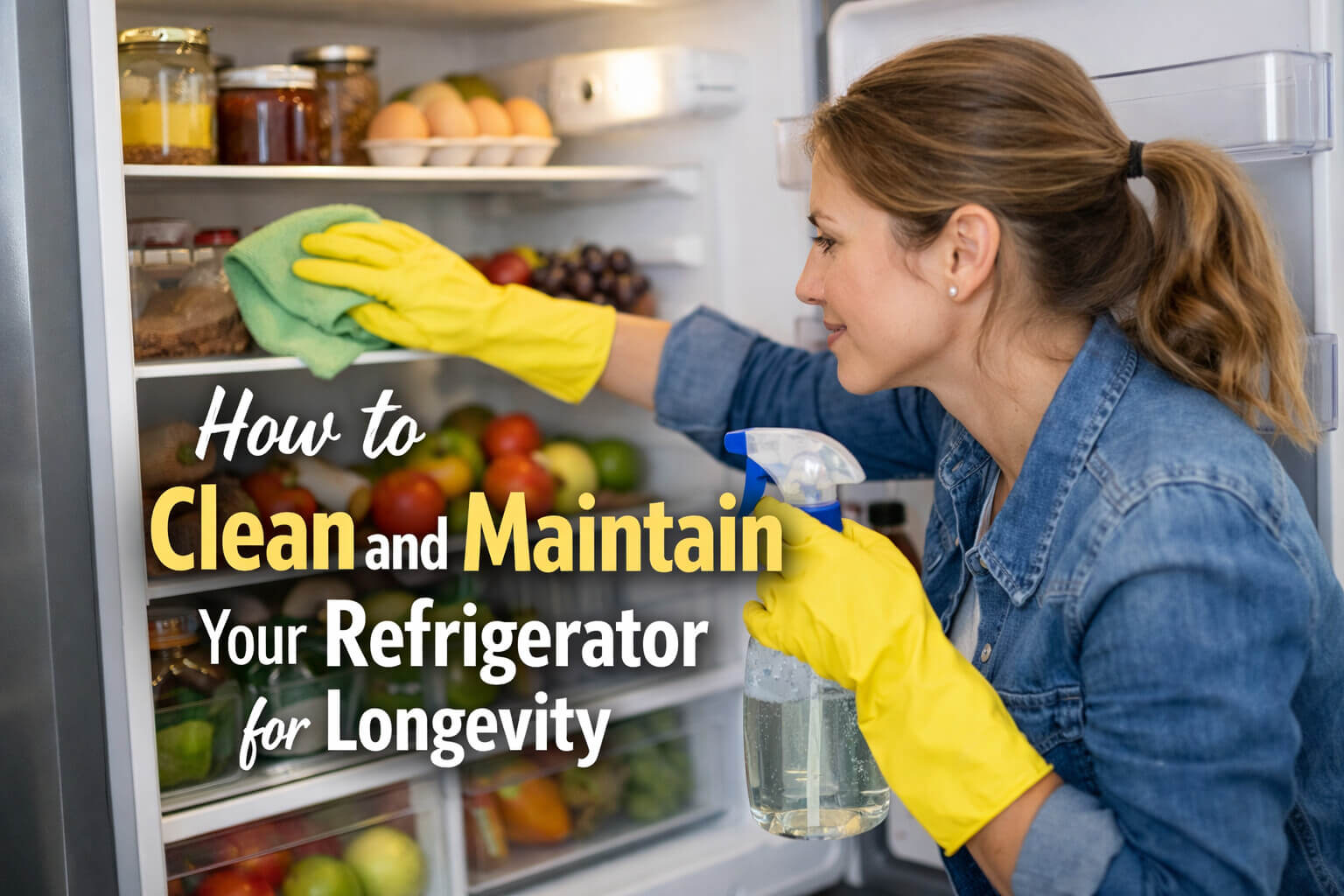
The average refrigerator costs over $2,000 and is expected to last 10–14 years. However, we frequently see units failing after just 6 or 7 years due to one simple factor: neglect. A refrigerator is a machine that breathes; if you choke off its airflow or feed it bad voltage, it will die a premature death.
If you want to protect your investment, following a few professional fridge lifespan maintenance tips is non-negotiable. With proper care, you can easily push your appliance’s life expectancy toward the 20-year mark.
Fast & Reliable Appliance Repair Services.
Get expert advice on your cooling issues immediately.
Average wait time: < 2 minutes
Available 24/7 for Emergency Support
1. The “Lungs” of the System: Coil Care
The single most effective task on any list of fridge lifespan maintenance tips is cleaning the condenser coils. These coils release heat. If they are covered in dust, the compressor must run longer and hotter to cool your food.
Overheating is the #1 killer of compressors. If your unit feels excessively warm, check our guide on Compressor Overheating Symptoms.
Making Maintenance Easy
The hardest part of cleaning coils is moving the heavy fridge away from the wall without scratching your expensive hardwood or vinyl floors. Most homeowners skip cleaning because they dread moving the unit.
🛠️ Recommended Upgrade:
Heavy Duty Appliance Rollers (Adjustable)
Why you need this: These low-profile rollers sit permanently under your fridge. When it’s time to clean, you simply unlock the brakes and roll the unit forward with one hand. No back pain, no scratched floors.
2. Protect the “Brain”: Surge Protection
Ten years ago, refrigerators were mechanical beasts. Today, they are driven by sensitive computers (Inverter PCBs). A modern Samsung or LG fridge has more computing power than early spacecraft.
The problem? These boards are highly sensitive to “dirty power”—small voltage spikes from your local grid or lightning storms. A fried Control Board can cost $400+ to replace and is a common cause of Samsung Error Codes.
🛠️ Critical Protection:
Tripp Lite Isobar 1-Outlet Surge Protector
Why you need this: Unlike cheap power strips, a dedicated single-outlet surge protector creates a firewall between the grid and your $2,000 appliance. It is the cheapest insurance policy you will ever buy.
3. Physics Matters: Leveling Your Fridge
Many homeowners ignore the adjustable feet at the bottom of their refrigerator, but gravity plays a massive role in lifespan. If your fridge is not level, two things happen:
- Door Failure: The heavy doors will not swing shut automatically. If they stay slightly ajar, humid air enters, causing massive frost buildup on the evaporator coils.
- Coolant Issues: Older compressors rely on oil splashing inside the casing for lubrication. If the unit is tilted too far, the oil may pool on one side, starving the pump and leading to seizure.
The Fix: Place a carpenter’s level on top of the fridge. Adjust the front feet so the front is slightly higher than the back. This ensures gravity helps the doors swing shut on their own.
4. The “Forgotten” Zone: Cleaning the Drip Pan
Underneath every fridge sits a drip pan. When your fridge goes through a defrost cycle, the melted ice drains into this pan and evaporates naturally from the heat of the compressor.
However, over years, this pan collects dust, spilled milk, and debris. This creates a sludge that can grow mold. Why does this affect lifespan? Because the mold spores can be pulled back into the condenser fan and blown across the coils, creating a “blanket” of biological matter that insulates the coils and overheats the system.
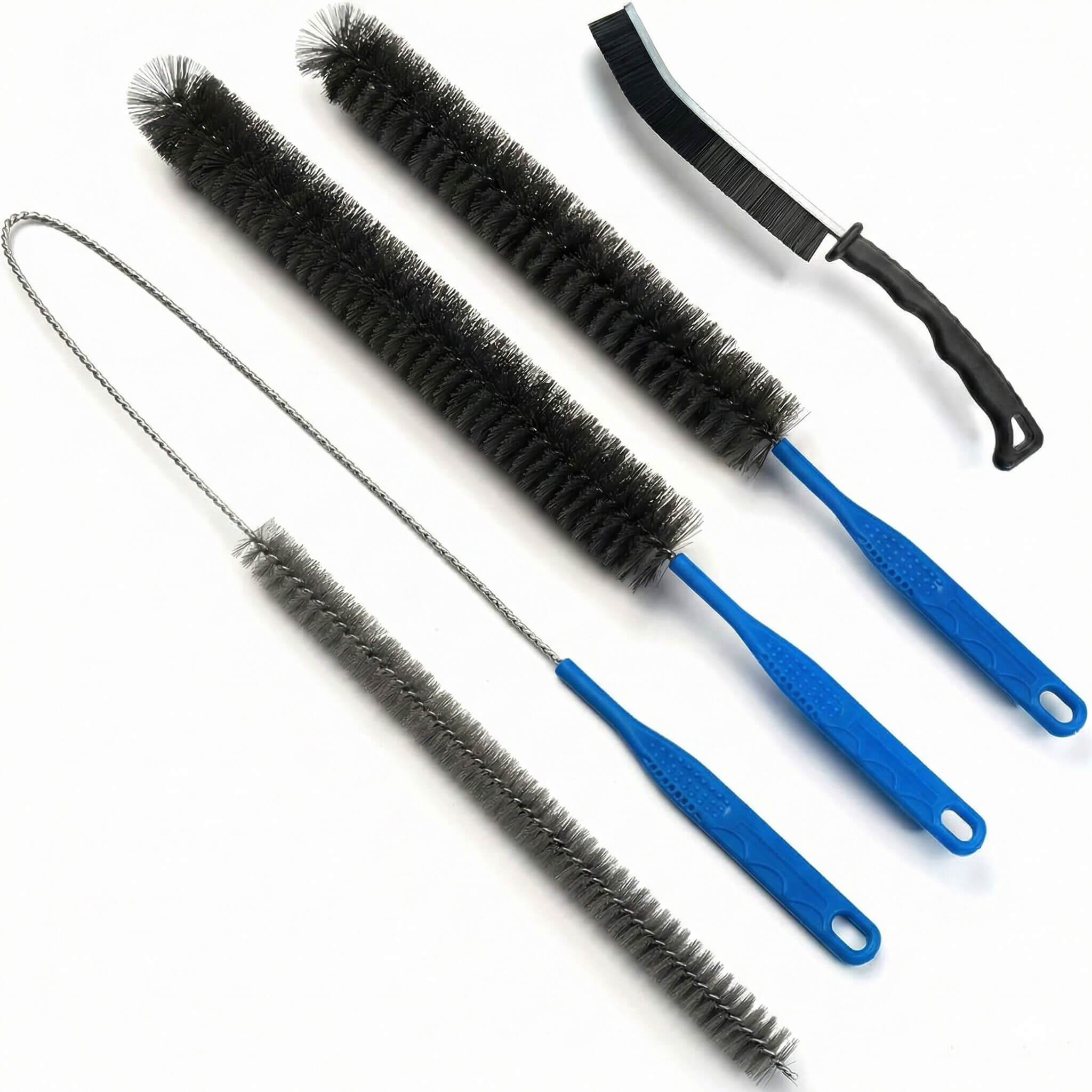
- The Fix: Once a year, remove the front kickplate and use a long, flexible brush or a vacuum crevice tool to clean out the pan. If it smells like mildew, pour a small amount of vinegar into the drain tube inside the fridge.
5. Door Seal Hygiene
If your door gasket (seal) is dirty, sticky, or cracked, cold air leaks out 24/7. This forces the compressor to run continuously to compensate. Sticky spills (like jam or syrup) act like glue; when you pull the door open, the gasket tears.
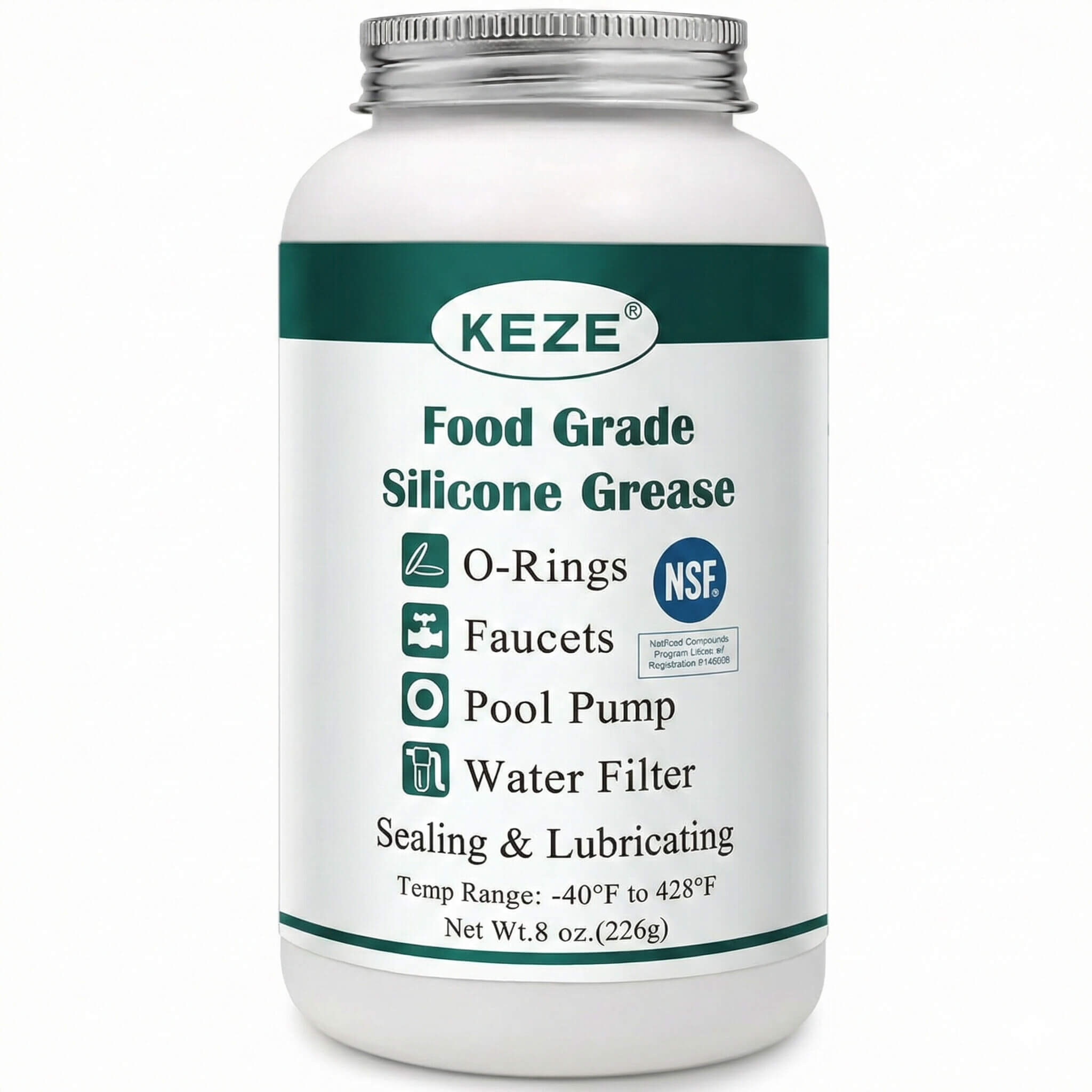
- The Fix: Wipe your gaskets down every 3 months with warm soapy water. Then, apply a thin layer of petroleum jelly or silicone grease to keep the rubber supple and prevent cracking.
6. The “Quarterly Audit”: Food Management
Your habits affect the machine. Rotting food releases ethylene gas and spores, which can degrade plastic liners and rubber seals. Overstuffing the shelves blocks the airflow vents (usually in the back), confusing the thermostat.
The Golden Rule of Airflow: Keep your fridge 3/4 full. A fridge full of cold items (thermal mass) stays cold easily. An empty fridge loses all its cold air when you open the door. If your fridge is empty, fill a few jugs with water to act as “thermal batteries.”
7. Power Outage Protocol
Sudden power loss is dangerous for food safety, but the return of power is dangerous for the machine. When power is restored, the grid often surges. If the compressor tries to start immediately against high head pressure, it can stall and burn out the start windings.
- The Lifespan Tip: If the power goes out, unplug your refrigerator immediately. Wait until the power has been restored and stable for 10 minutes before plugging it back in. This gives the internal pressures time to equalize, allowing for a soft, easy start.
8. Listen to the Warning Signs
Part of maximizing lifespan is catching small problems before they become catastrophic failures. Your ears are your best diagnostic tool.
- Clicking: If you hear a loud “click-buzz-click,” your start relay is likely failing. Catching this early prevents the compressor from seizing. (See: Why Is My Refrigerator Clicking?).
- Grinding: A grinding noise usually indicates ice buildup hitting the evaporator fan blade, often caused by a defrost failure.
Summary: The Longevity Checklist
| Task | Frequency | Investment Level | Cost of Failure |
|---|---|---|---|
| Clean Coils | Every 6 Months | Free | High (Compressor) |
| Clean Gaskets | Every 3 Months | Free | Medium (Energy Bill) |
| Install Surge Protector | Once | Low | High (Main Board) |
| Clean Drip Pan | Yearly | Free | Mold/Odor Issues |
| Level the Unit | Once | Free | Door Seal Failure |
By implementing these simple fridge lifespan maintenance tips, you aren’t just cleaning an appliance—you are saving thousands of dollars in future replacement costs.