

Identify the Problem
Signs of a faulty evaporator fan include uneven cooling, frost buildup in the freezer, or unusual noises. Listen for the fan when the freezer door is open; it should run when the compressor is on.
Unplug the Refrigerator
Disconnect the appliance from power to prevent electrical shock while working on internal components.
Access the Evaporator Fan
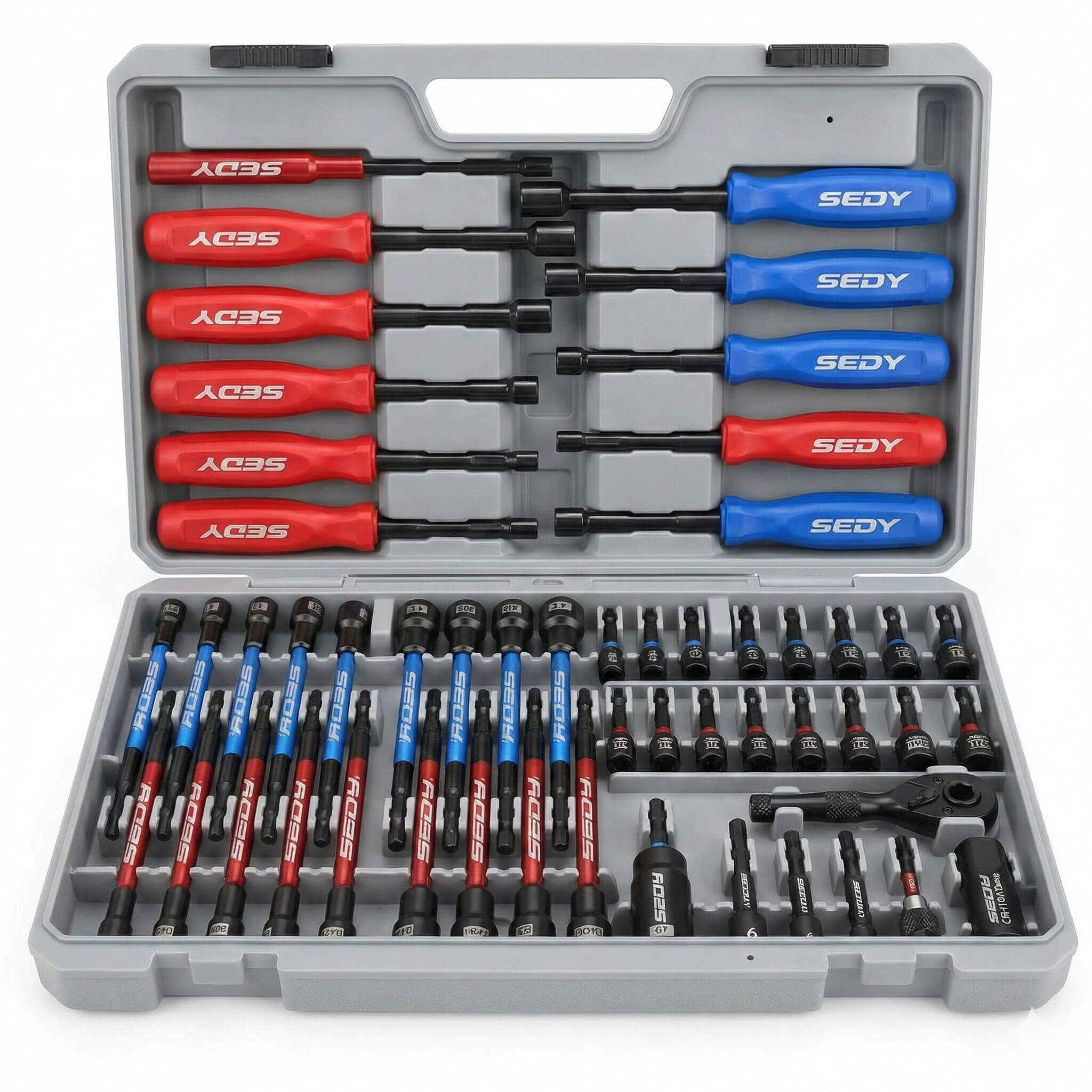
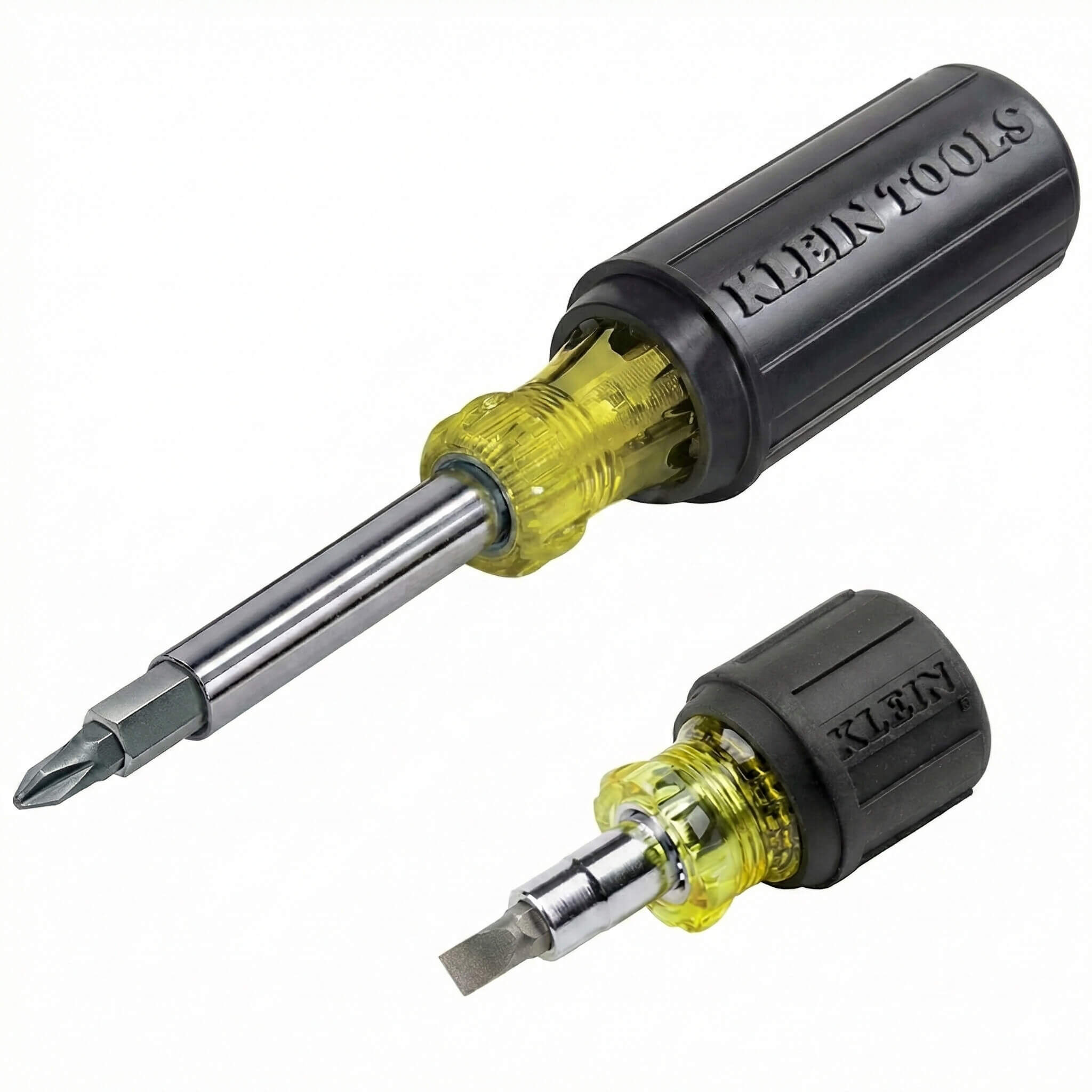
Remove the freezer shelves and back panel inside the freezer to access the evaporator fan. Some models may require removing additional panels or covers.
Inspect the Fan Blades
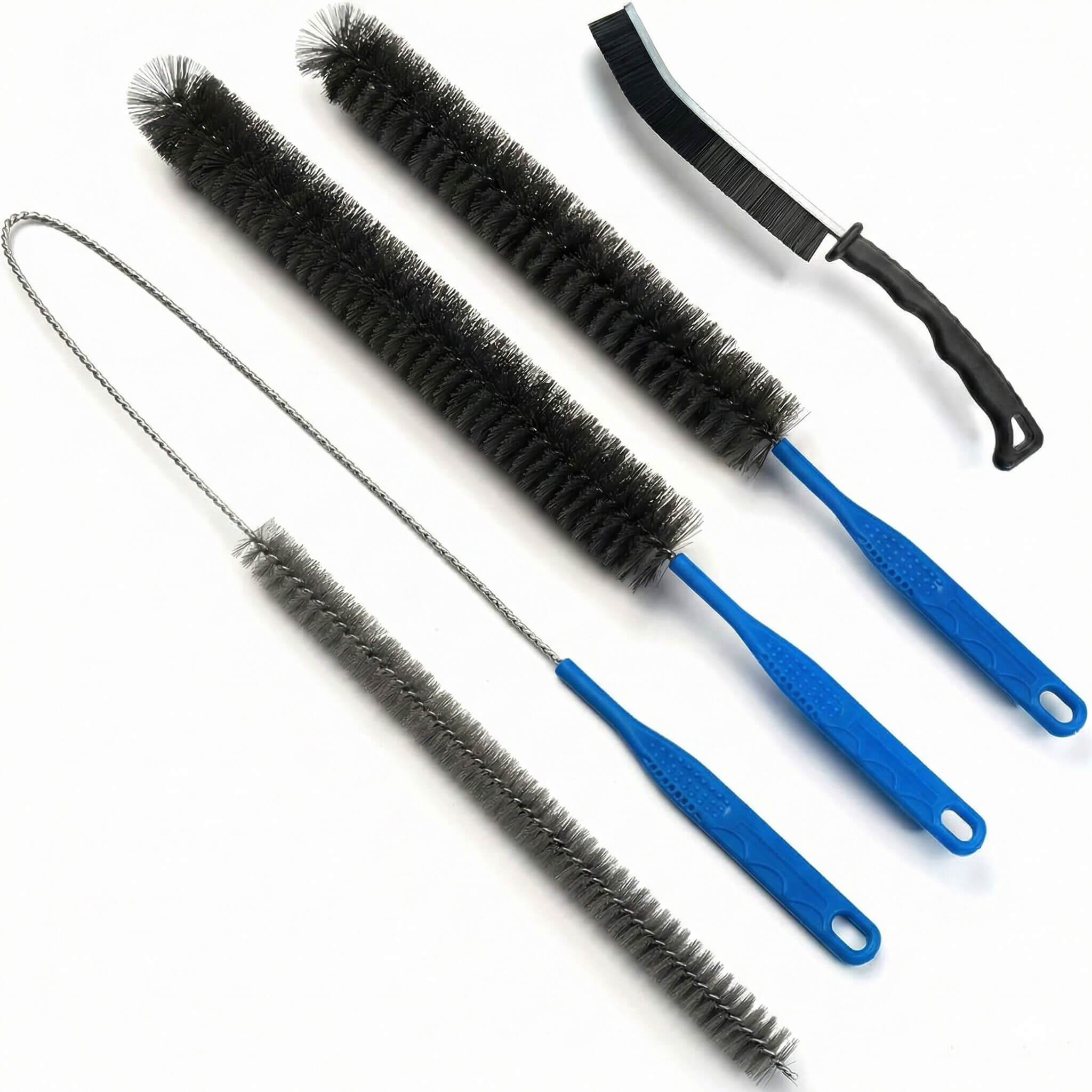
Check the fan blades for ice buildup, debris, or damage. Ice can prevent the fan from spinning, and damaged blades may need replacement.
Test the Fan Motor
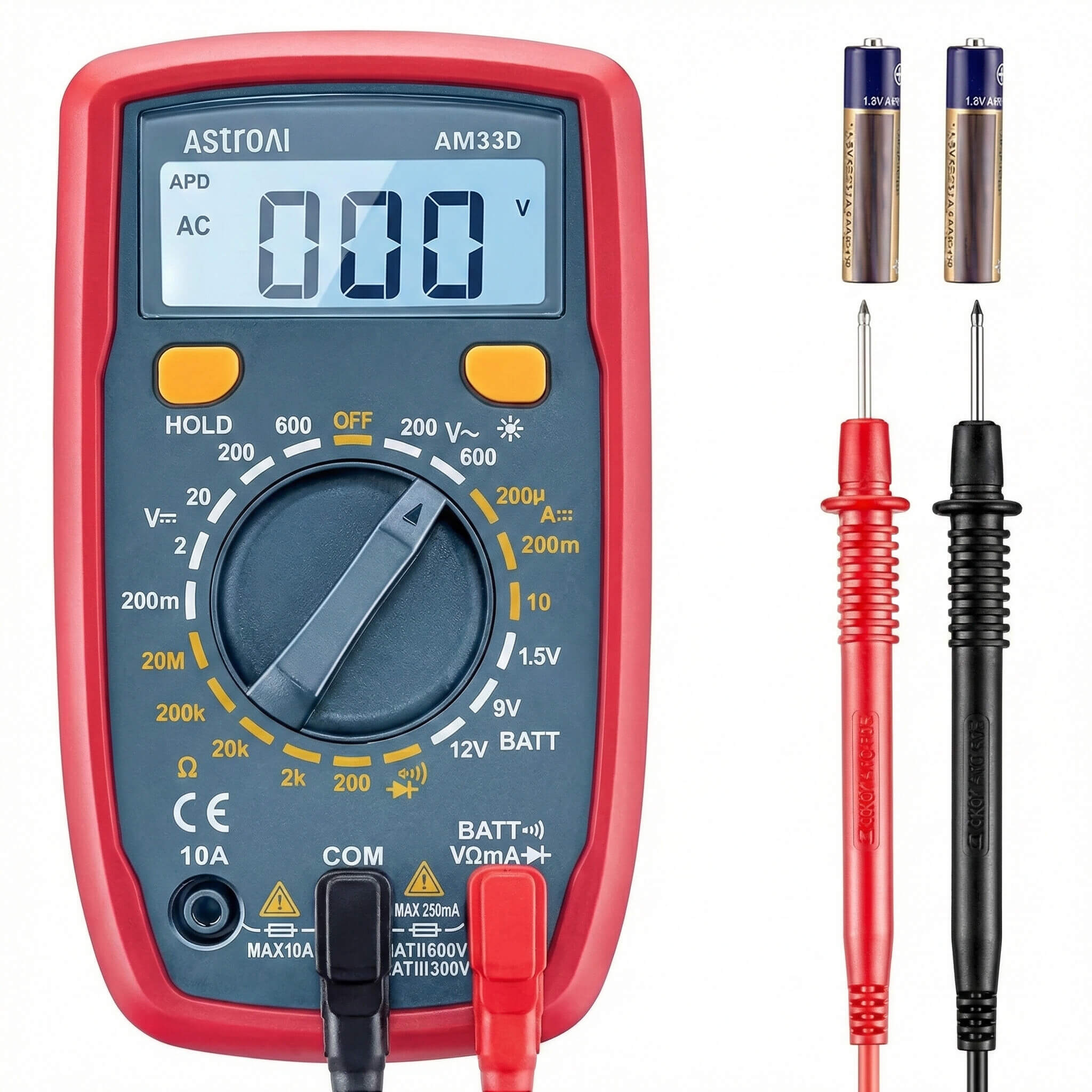
Use a multimeter to check the fan motor for continuity. If the motor shows no continuity, it is defective and must be replaced.
Remove the Faulty Fan
Disconnect the wiring harness connected to the fan motor. Unscrew or unclip the fan from its housing and carefully remove it.
Install the New Fan
Position the new evaporator fan in the housing and secure it with screws or clips. Reconnect the wiring harness, ensuring all connections are secure.
Reassemble the Freezer
Replace the back panel, freezer shelves, and any other removed components. Ensure everything is properly aligned and secured.
Test the Refrigerator
Plug the refrigerator back in and allow it to run. Listen for the fan operating correctly and check that both freezer and fridge compartments are cooling evenly.
Conclusion
Fixing a refrigerator evaporator fan involves unplugging the appliance, inspecting and testing the fan, replacing it if necessary, and reassembling the freezer. Proper diagnosis ensures even cooling and prevents frost buildup.