
Identify the Problem
Check if the ice maker is producing ice. Common issues include no ice production, small or misshapen ice cubes, or ice stuck in the tray. Identify the specific problem before attempting repairs.
Check the Water Supply
Ensure the water line is connected and the water supply is turned on. Inspect the line for kinks, leaks, or blockages. A restricted water supply prevents the ice maker from filling properly.
Inspect the Ice Maker Switch
Make sure the ice maker is turned on. Some models have a switch or arm that controls ice production. Adjust or reset the switch according to the manufacturer’s instructions.
Check the Freezer Temperature
The freezer should be set between 0°F and 5°F. Temperatures above this range can prevent ice formation or cause slow production. Adjust the thermostat if needed.
Clear Frozen Water Lines
Frozen or blocked water lines can stop ice production. Carefully defrost the lines using warm water or a hairdryer on a low setting. Avoid using sharp objects that could damage the lines.
Inspect the Ice Maker Module
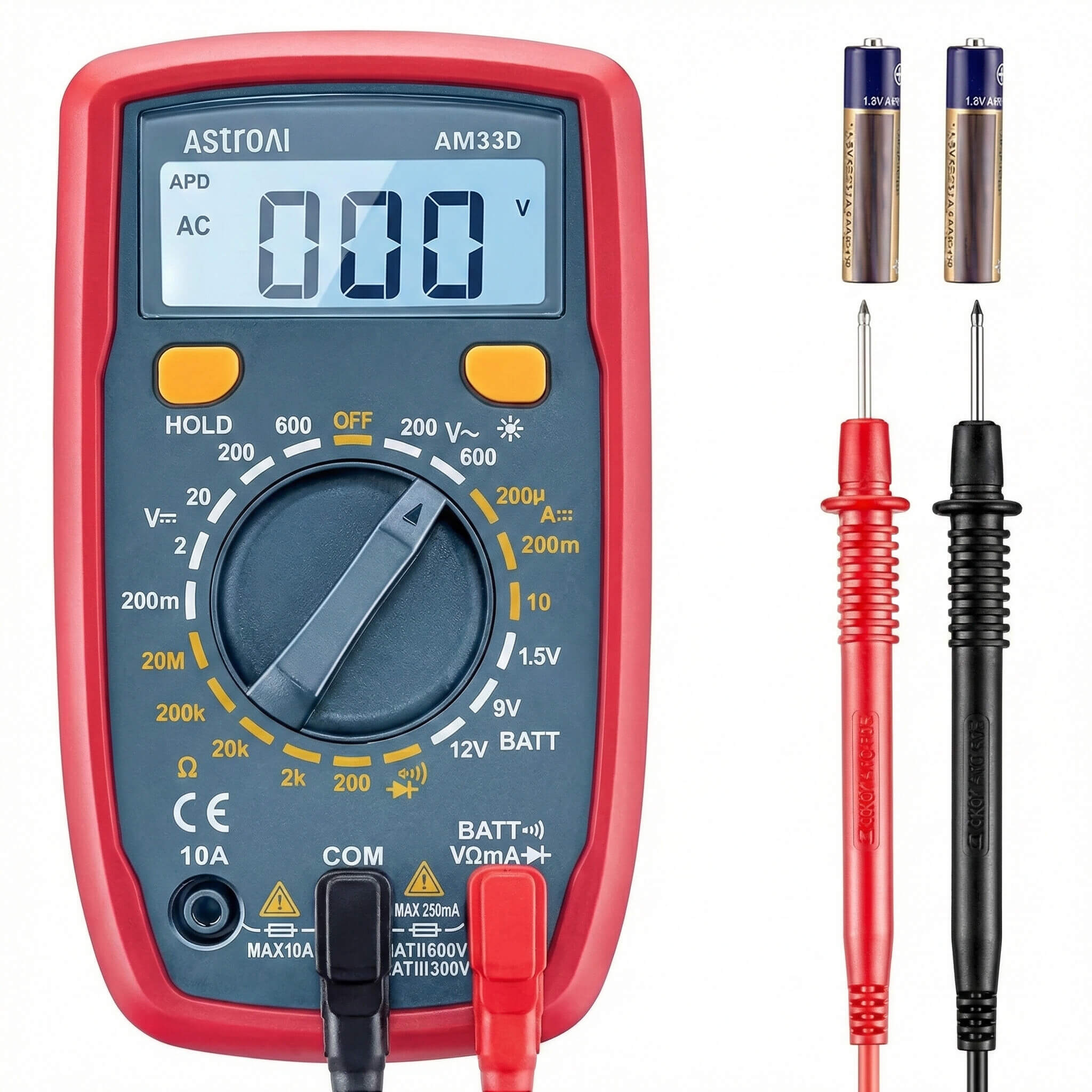
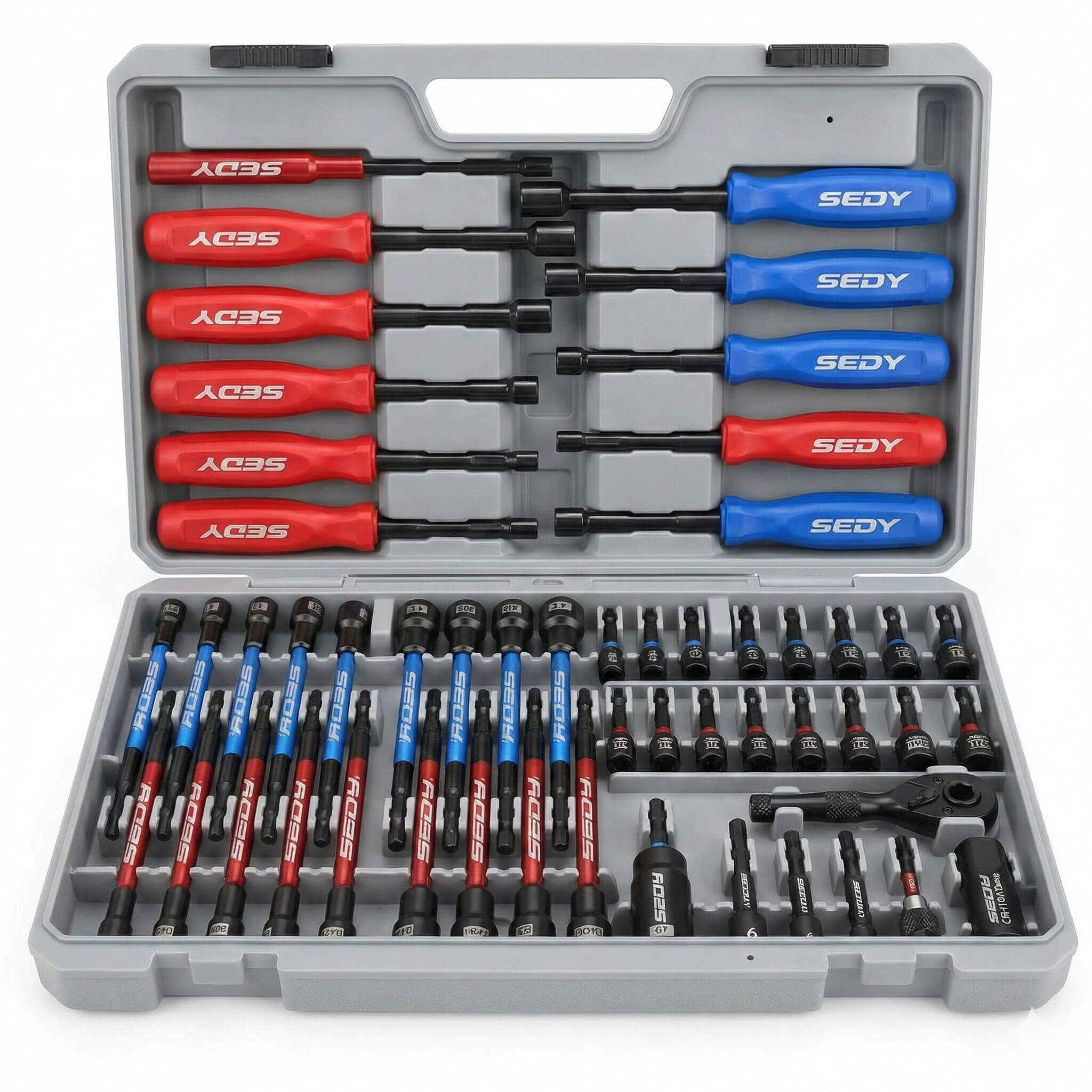
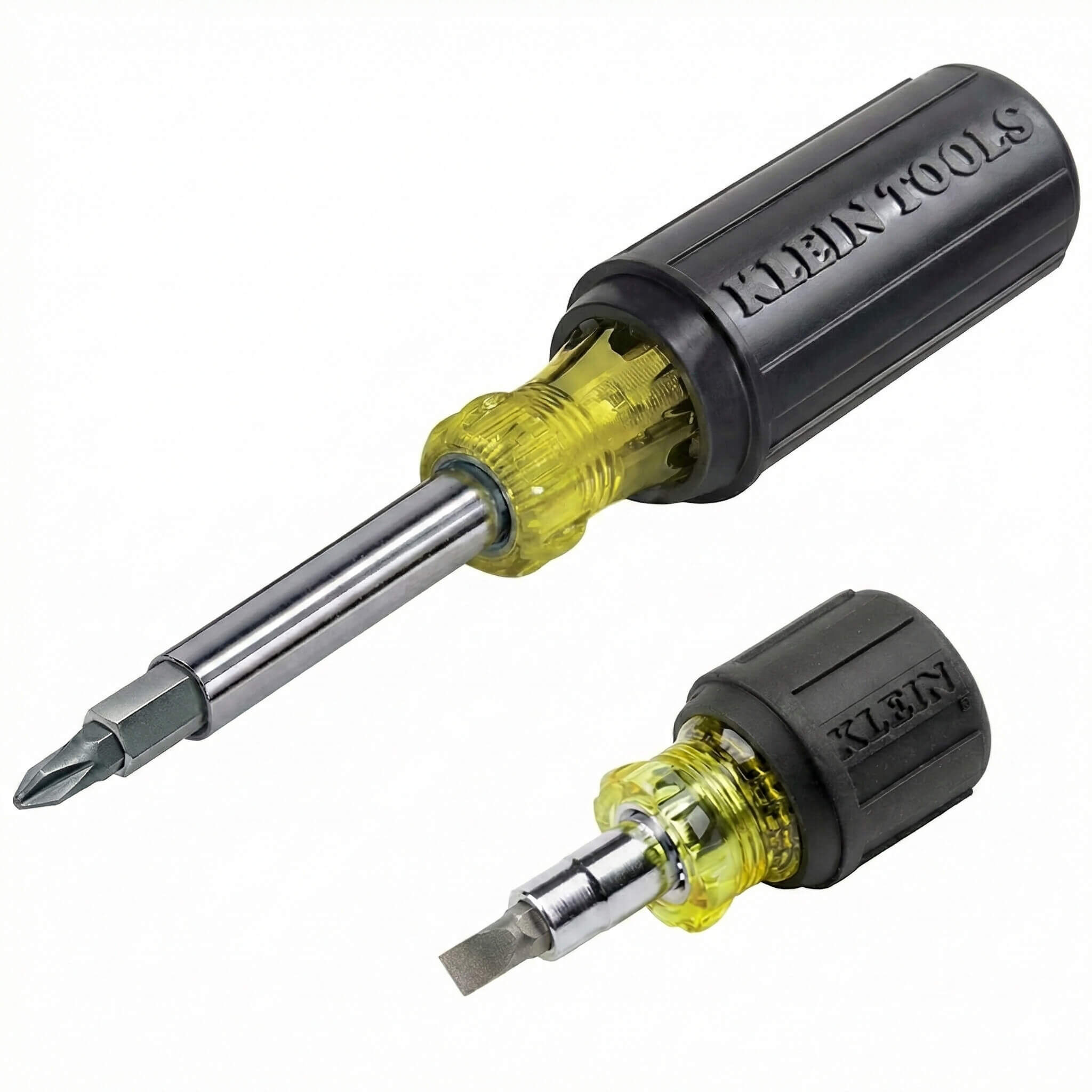
Examine the ice maker for broken or worn parts such as the ejector arm, motor, or thermostat. Replace damaged components as needed.
Test the Ice Maker
After performing fixes, turn the ice maker on and allow it to complete a full cycle. Check if ice is being produced properly and cubes are correctly shaped.
Clean the Ice Maker
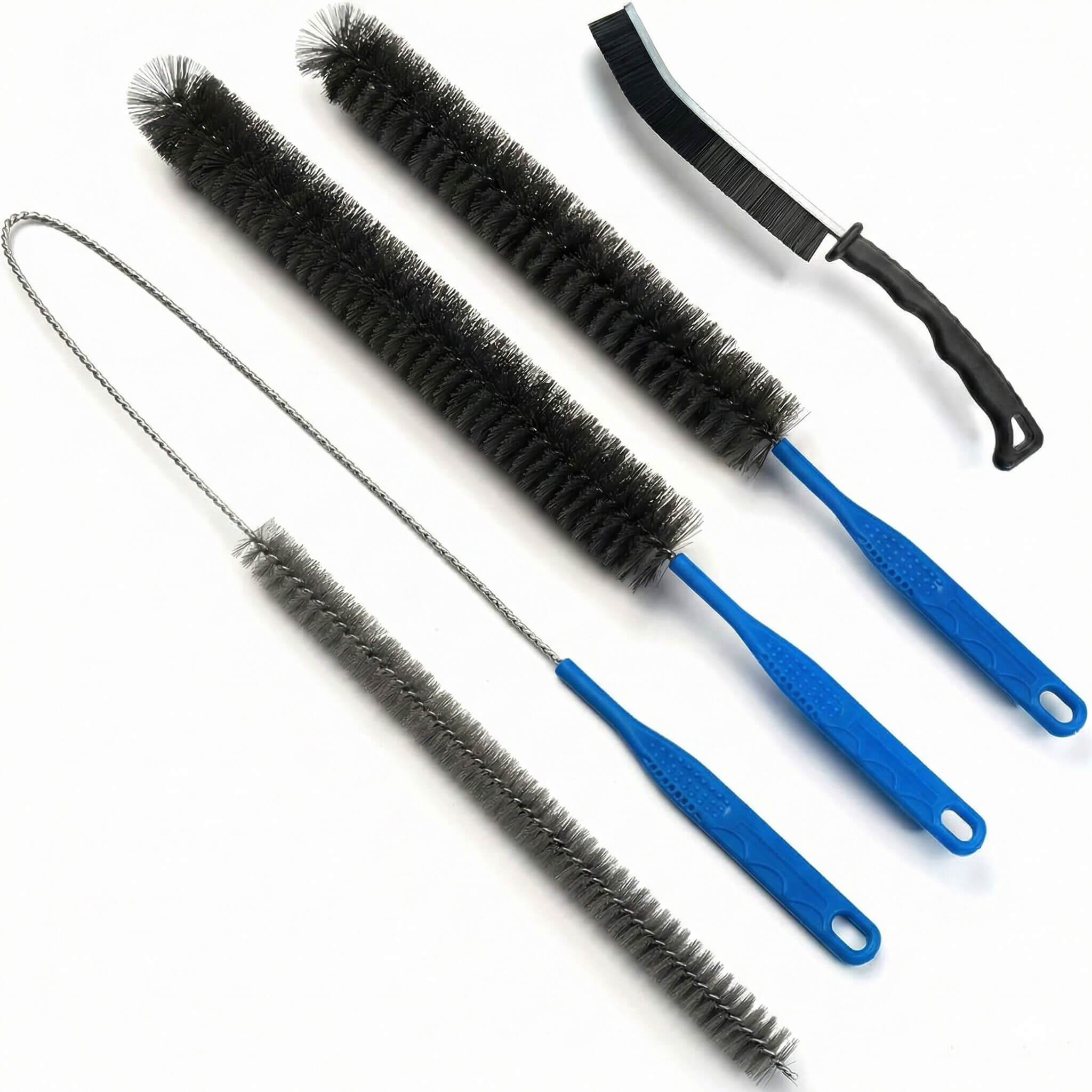
Regularly clean the ice maker and tray to prevent buildup of ice, minerals, or debris that can affect performance. Use warm water and mild detergent.
Conclusion
Fixing a refrigerator ice maker involves checking the water supply, switch, freezer temperature, and ice maker components. Regular cleaning and maintenance help prevent future issues and ensure consistent ice production.