
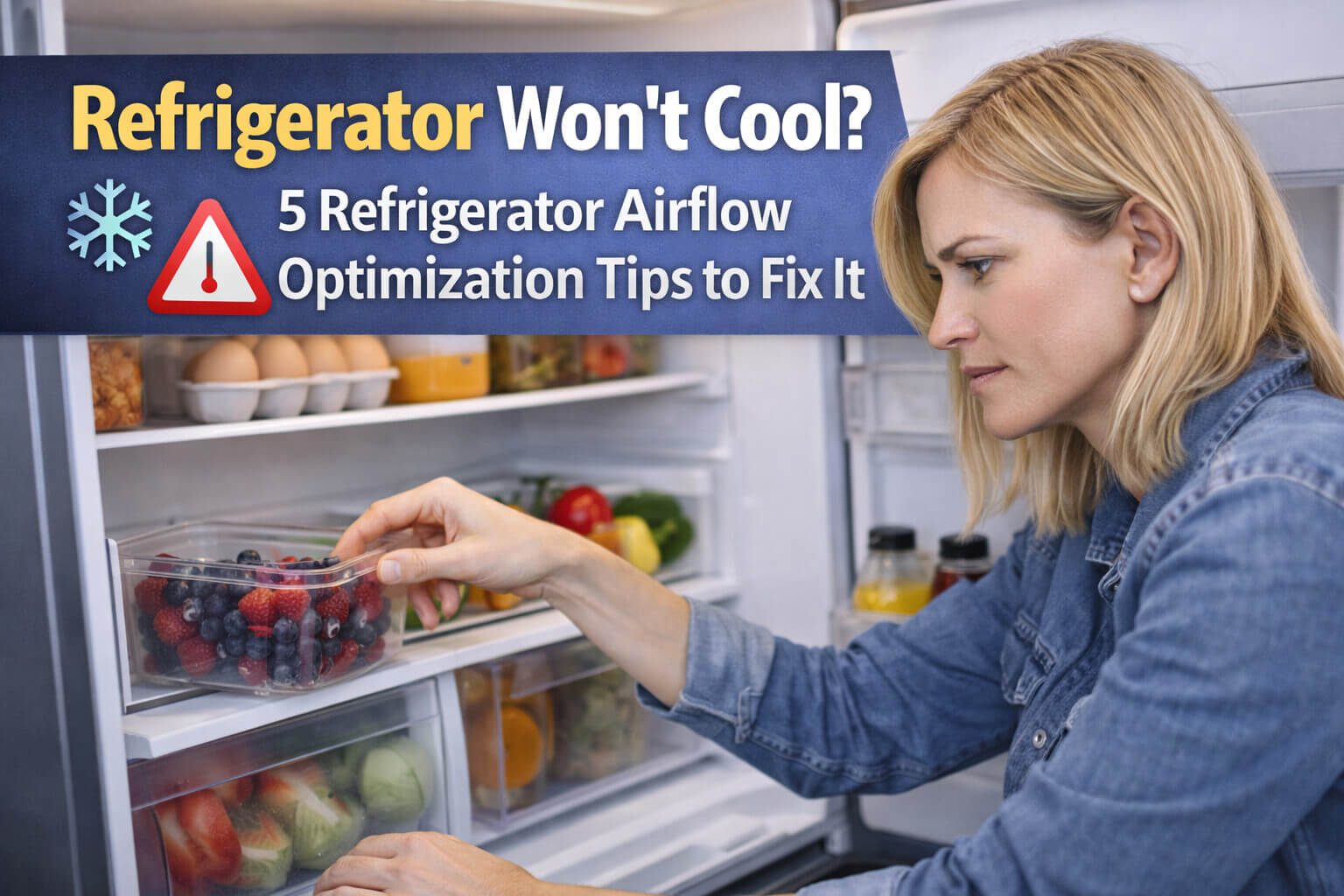
Is your freezer working perfectly but your fresh food section stays warm? You likely do not have a broken compressor. Instead, you face a circulation problem. A refrigerator acts like an air conditioner that moves cold air from the freezer into the rest of the box.
💡 Mentor’s Fast Advice
Airflow issues are the most common cause of “half-cold” refrigerators. If these tips don’t solve your specific cooling imbalance, your logic board might be failing. For a deeper look at electronic diagnostics, visit our main hub.
When air movement stops, your food spoils. This guide covers essential refrigerator airflow optimization tips. We will show you how to diagnose damper failures, blocked vents, and struggling fans to restore cooling.
⚠️ Safety Warning:Always physically unplug your refrigerator from the wall outlet. Do this before you remove any interior plastic panels or touch electrical components. Never handle a live circuit.
1. The “Damper” Door Check
The Air Damper Control is a common failure point. This small motorized flap sits between the freezer and fridge compartments. It usually stays at the top rear of the fresh food section.
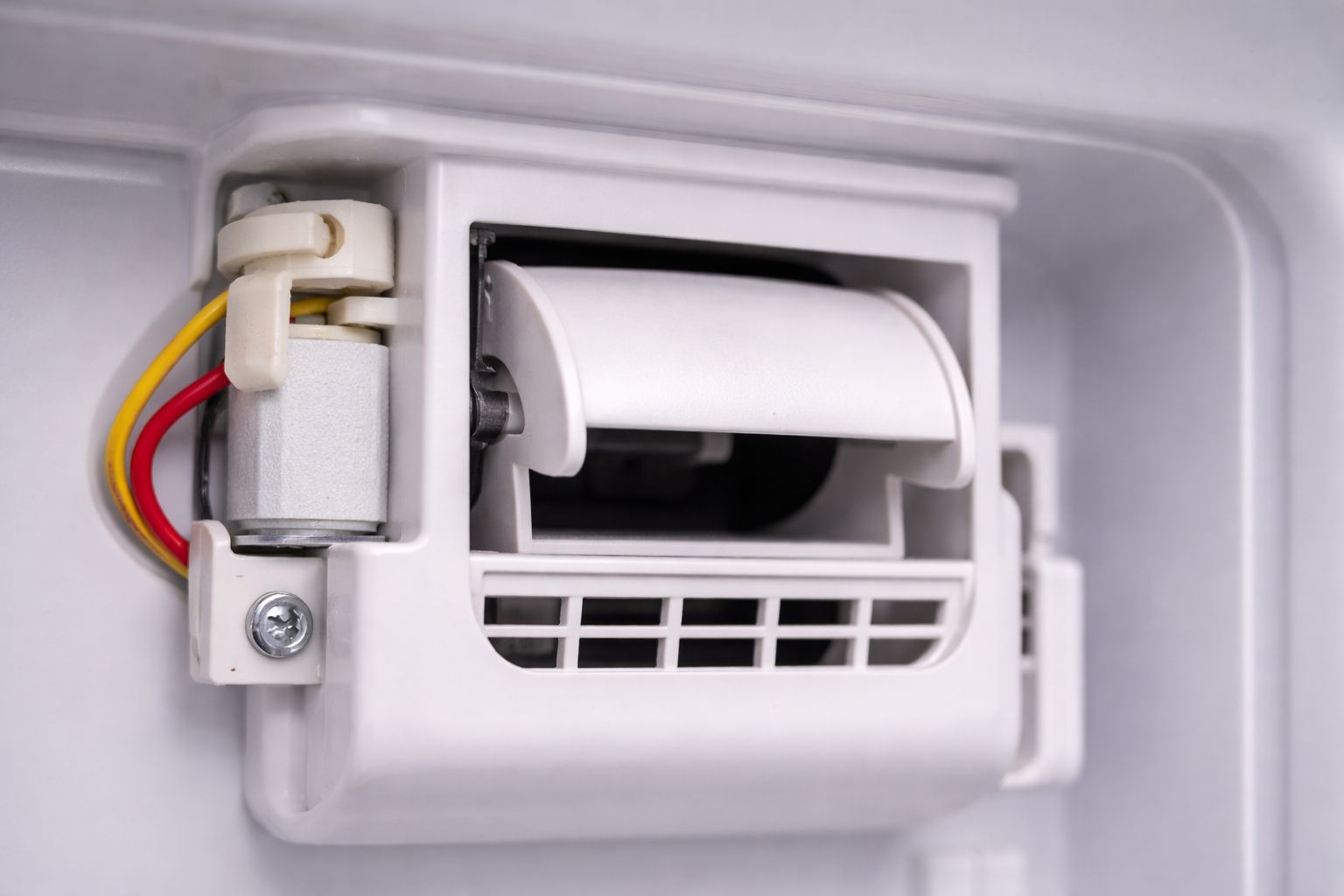
- The Function: The thermostat tells the damper to open when the fridge needs cooling. Once it reaches the target temp, the damper closes.
- The Failure: If the motor breaks, the door stays shut. The freezer remains at 0°F. No air enters the fridge. This causes temps to rise above 50°F.
- The Fix: Adjust your temperature dial. Listen for a motor noise. If it stays silent or the flap stays closed, replace the assembly.
2. Clearing the “Return Air” Vents
Airflow works in a loop. If you pump cold air in but don’t let warm air out, circulation stops. This is one of the most overlooked refrigerator airflow optimization tips. Locate the Return Air Vents at the bottom of the fresh food compartment. You often find them behind the crisper drawers.
The Action: Do not stuff bags of food in front of these vents. Pull all items at least 2 inches away from any vented slots on the back or side walls.
3. The Evaporator Fan Diagnosis
Is your damper open and your vents clear? If there is still no breeze, your Evaporator Fan Motor may be dead. This fan serves as the engine of your cooling system.
The “Door Switch” Trick:
- Open the freezer door.
- Manually press the door switch. The light should turn off.
- Listen for the fan. Most fans turn off when the door opens. Pressing the switch tricks the fridge into running the fan.
- Result: If you hear a hum but no air moves, the motor is failing. A screeching sound also indicates a bad motor.
For a deep dive, read our guide: How to Test Evaporator Fan Motor.
4. The “Twin Cooling” Exception (Samsung/LG)
Do you own a modern Samsung or LG refrigerator? Units with “Twin Cooling” or “Dual Evaporators” change the rules. These units do not share air between sections. The fridge has its own evaporator coil and fan behind the back wall.
The Consequence: Checking the freezer fan won’t help a warm Samsung fridge. You must remove the inside back panel of the refrigerator section. Check for a frozen-up evaporator coil. If you find a massive block of ice, your defrost sensor or drain is likely clogged. Learn more about fixing Samsung clumping and freezing issues here.
5. Thermistor Drift (The “Brain” Problem)
A computer controls your airflow using sensors called Thermistors. A thermistor changes resistance based on temperature. If the sensor “drifts,” it gives false readings. It might tell the computer the fridge is 33°F when it is actually 55°F. The computer then closes the air damper to prevent freezing.
🛠️ Diagnostic Tool:
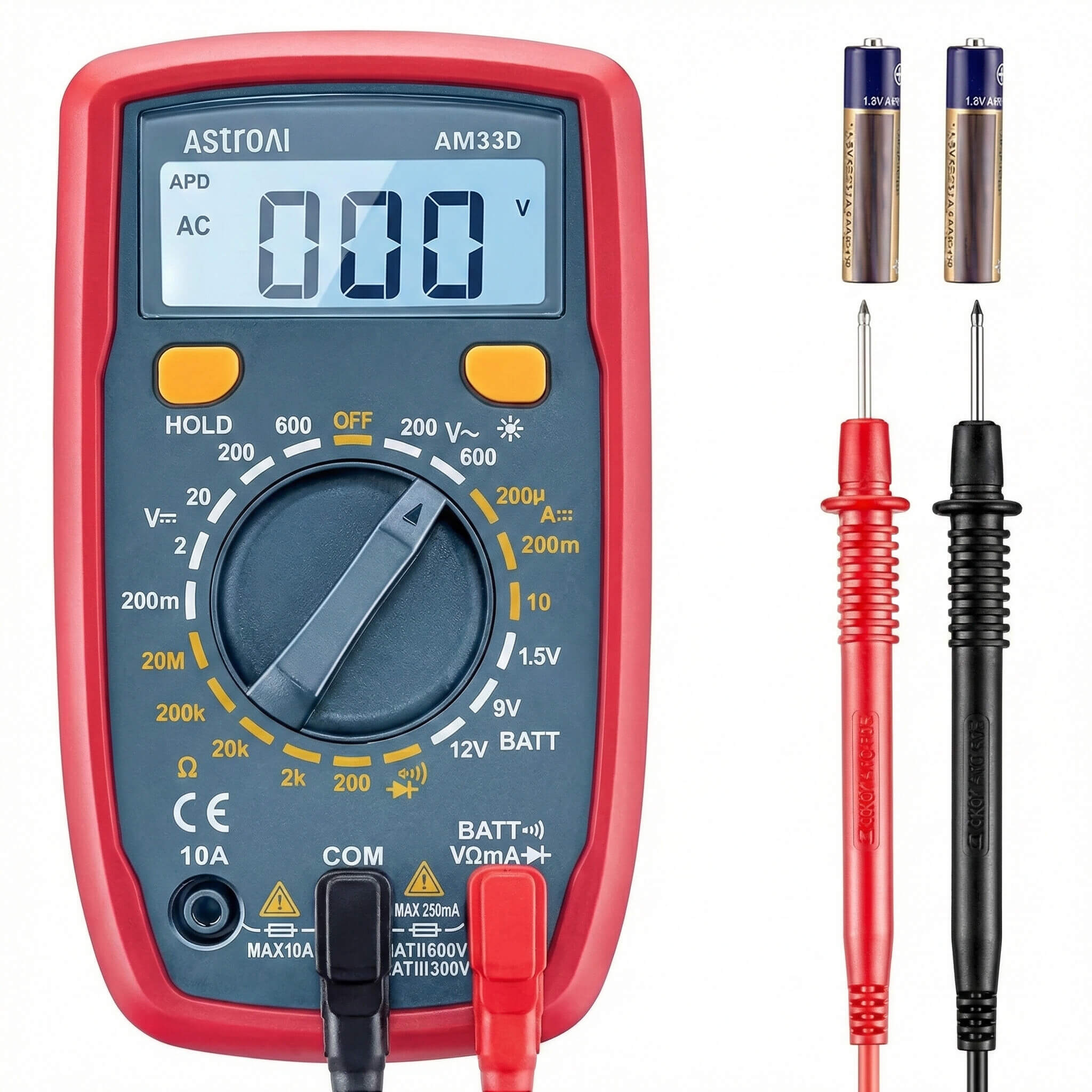
Klein Tools Digital Multimeter
Why you need this: You cannot guess if a sensor is broken. A multimeter allows you to measure resistance (Ohms). This confirms if a part is electrically dead.
6. The “Ice Blockage” (Defrost Failure)
Sometimes the fan works, but ice plugs the air tunnel. This happens when the defrost system fails. Look for thick frost on the back wall of the freezer. This “snowy” look means the defrost heater failed to melt daily ice. Eventually, ice grows over the coils and blocks airflow.
Immediate Fix: Unplug the fridge for 24 hours with the doors open. This thaws the system and restores cooling temporarily. However, you must replace the Defrost Timer or Heater for a permanent fix.
7. Strategic Shelving (Physics of Organization)
Poor organization can cause a functioning fridge to fail. Cold air is denser than warm air and naturally sinks.
- The Glass Shelf Barrier: Do not line wire shelves with placemats or foil. You are building a wall. This prevents cold air from sinking to the lower shelves.
- The 2-Inch Rule: Leave 2 inches of space between your food and the rear wall. This rear channel is critical for air currents.
Poor airflow can even affect water quality. If air doesn’t circulate, internal water lines can get too warm. If your water tastes strange after a repair, read our guide on why fridge water tastes bad after a filter change.
8. External Airflow (The Condenser)
Internal airflow moves coldness, but external airflow creates it. Clogged condenser coils cause the compressor to overheat. It will shut down before the fridge gets cold. If the side of your fridge feels hot, clean your coils immediately. Read the full Fridge Condenser Cleaning Guide.
Summary: Airflow Checklist
| Symptom | Airflow Check | Solution |
|---|---|---|
| Freezer Cold / Fridge Warm | Check Damper | Replace Damper Assembly |
| No Air Blowing | Check Fan Motor | Replace Fan Motor |
| Samsung Fridge Warm | Twin Cooling | Thaw Fridge Evaporator |
| Frost on Freezer Wall | Check Defrost System | Test Heater & Thermostat |
| Fridge & Freezer Warm | Check Condenser | Clean Rear Coils |
Conclusion
Mastering these refrigerator airflow optimization tips will help you solve most cooling problems at home. Start with the easiest checks. Clear your vents and clean your condenser coils first. If you still have issues, use a multimeter to test your fan and damper motors. By following this method, you can avoid expensive repair bills and keep your food safe.