

You open the door for a midnight snack, but instead of being greeted by a bright glow, you are staring into darkness. Finding your refrigerator light not working is a surprisingly annoying problem. It makes it impossible to find food at night, and it makes your appliance feel broken and old.
Is it just a bulb? Or is the whole fridge dead?
Usually, a dark fridge is a minor inconvenience caused by a burnt-out bulb or a stuck switch. However, on modern high-tech refrigerators with LED strips, it can indicate a circuit board failure.
In this guide, we will troubleshoot the 5 most common reasons for a refrigerator light not working and show you how to perform a refrigerator light bulb replacement safely. We will also cover the “invisible” causes, like Sabbath Mode and stuck door switches.
The “Is It Dead?” Test: Power vs. Light
Before you buy a bulb, you need to make sure the refrigerator itself hasn’t died.
The Check:
-
Listen: Do you hear the hum of the compressor or the whir of the fans?
-
Feel: Is the air inside still cold?
-
Check the Panel: Is the digital display on the front door lit up?
The Verdict:
-
If the fridge is silent and warm: You don’t have a light problem; you have a power problem. Check your circuit breaker or GFCI outlet. Read our guide on refrigerator not cooling after power outage to reset it.
-
If the fridge is running but dark: Your power is fine. You have a lighting failure. Proceed to Cause #1.
Cause #1: A Burnt Out Bulb Causing Refrigerator Light Not Working
This is the classic cause. Just like a lamp in your living room, the filament in your fridge bulb eventually breaks.
The Problem: Standard incandescent appliance bulbs (A15 style) have a lifespan of about 1,000 hours. If you open your fridge frequently, they eventually burn out.
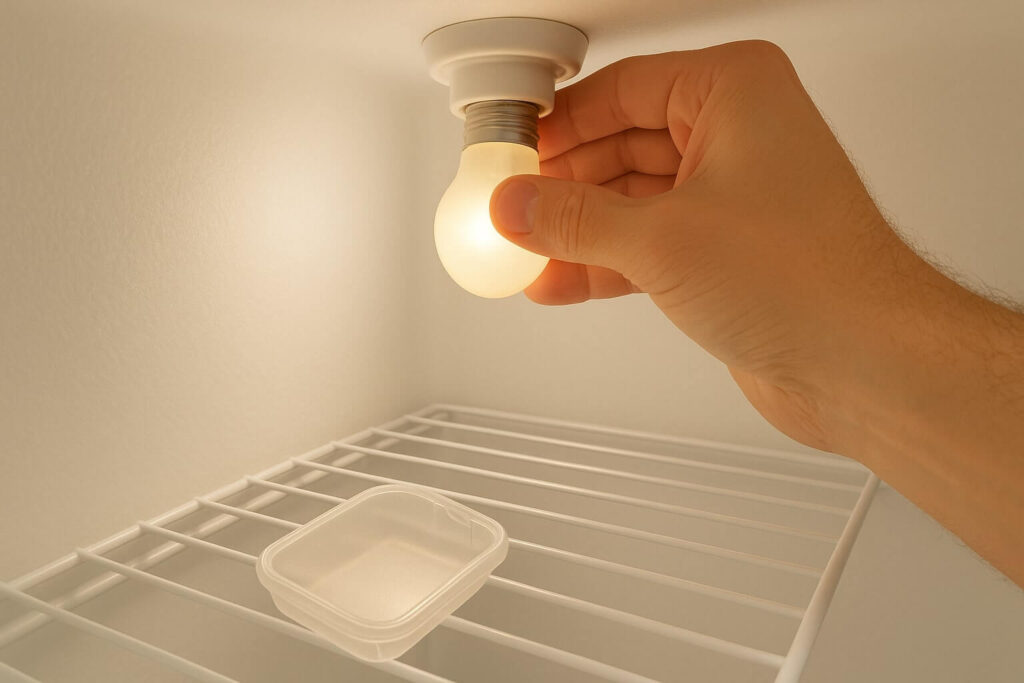
How to Fix It: Performing a refrigerator light bulb replacement is usually tool-free.
-
Unplug the Fridge: It is safer to cut power before reaching into the socket.
-
Remove the Cover: Locate the light shield (usually clear plastic) at the top or back of the fridge. You may need to press a tab or remove a single screw to pop it off.
-
Unscrew: Twist the old bulb counter-clockwise.
-
Inspect: Shake the bulb near your ear. If it rattles, the filament is broken.
-
Replace: Screw in a new appliance light bulb. Ensure it is the correct wattage (usually 40W) and size.
Pro-Tip: Upgrade to an LED appliance bulb. They run cooler (saving energy) and last 10 times longer.
Cause #2: A Stuck Door Switch (Refrigerator Light Not Working)
If the bulb is new but the light is still off, the problem is likely the switch that tells the light to turn on.
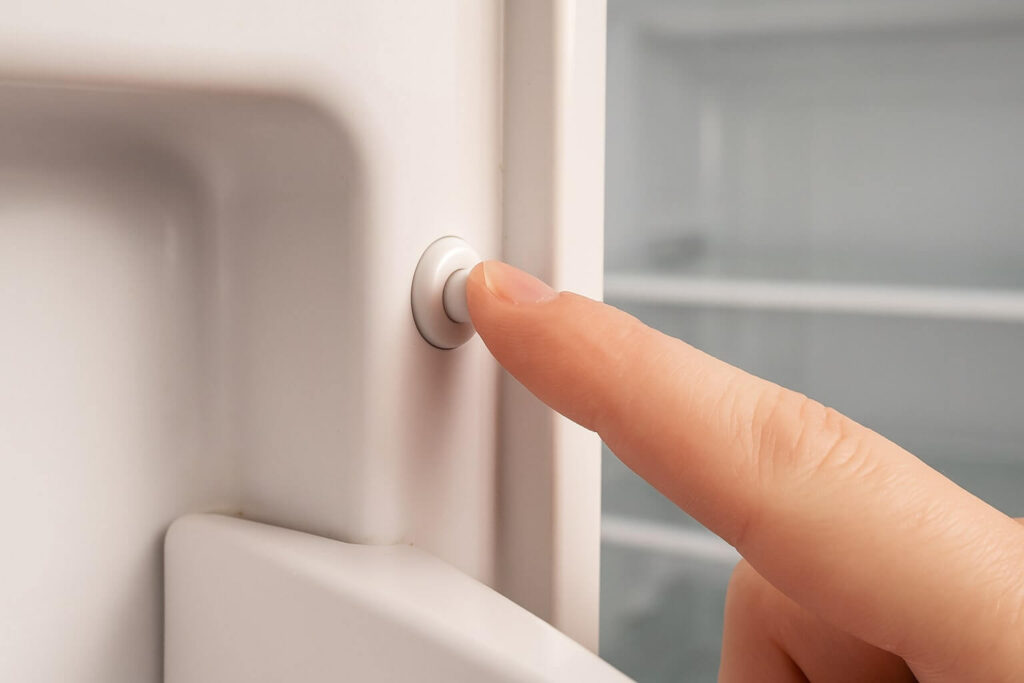
The Problem: Your fridge has a small push-button or plunger located on the door frame. When the door closes, it pushes the button in to turn the light off. When the door opens, the button pops out to turn the light on.
-
The Failure: If this button gets stuck in the “in” position (jammed by sticky food or a broken spring), the fridge thinks the door is closed forever.
How to Perform a Refrigerator Door Switch Test:
-
Locate the Switch: Look for a small plastic plunger on the inner frame of the fridge.
-
Press It: Push it in and release it several times.
-
The Result: Does it spring back out? Or does it stay stuck down?
-
Clean It: If it feels sticky, wipe it with warm soapy water and a cloth to loosen the gunk.
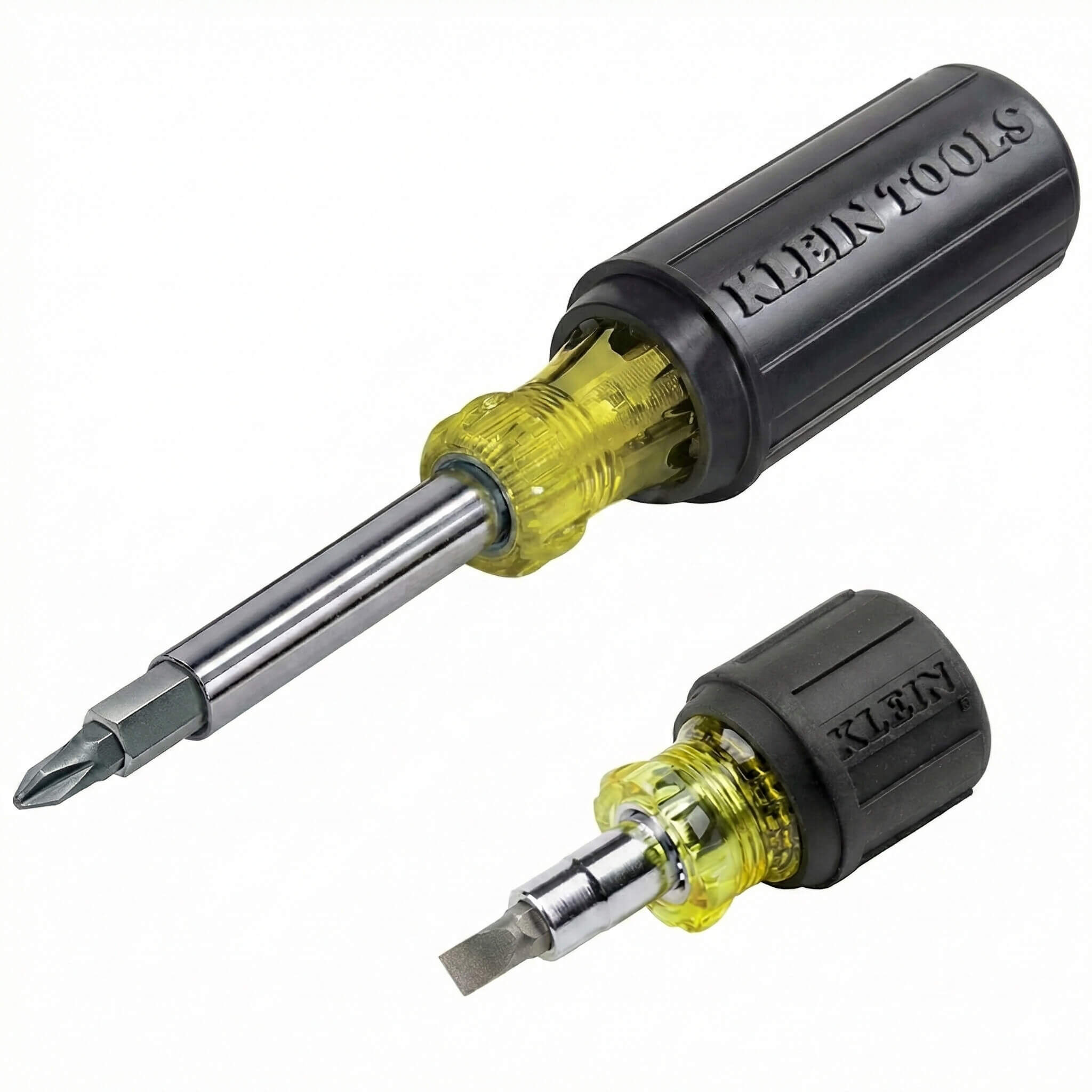
The Fix: If cleaning doesn’t work and the switch stays depressed, or if it springs out but the refrigerator light not working persists, the electrical contacts inside the switch are dead. You will need to pry it out with a screwdriver and install a new door switch assembly.
Cause #3: LED Board Failure Causing Refrigerator Light Not Working
If you own a newer Samsung, LG, or GE refrigerator, you might not have screw-in bulbs. You have strips of LED lights embedded in the walls.
The Problem: LEDs are supposed to last forever, but the circuit board (driver) powering them can fail.
-
Symptoms: The lights might flicker, dim, or go completely dark.
-
Daisy Chain: Often, the lights are wired in a series. If one LED strip fails, it breaks the circuit, causing the entire refrigerator light not working issue across the whole compartment.
How to Fix It: This is harder than changing a bulb.
-
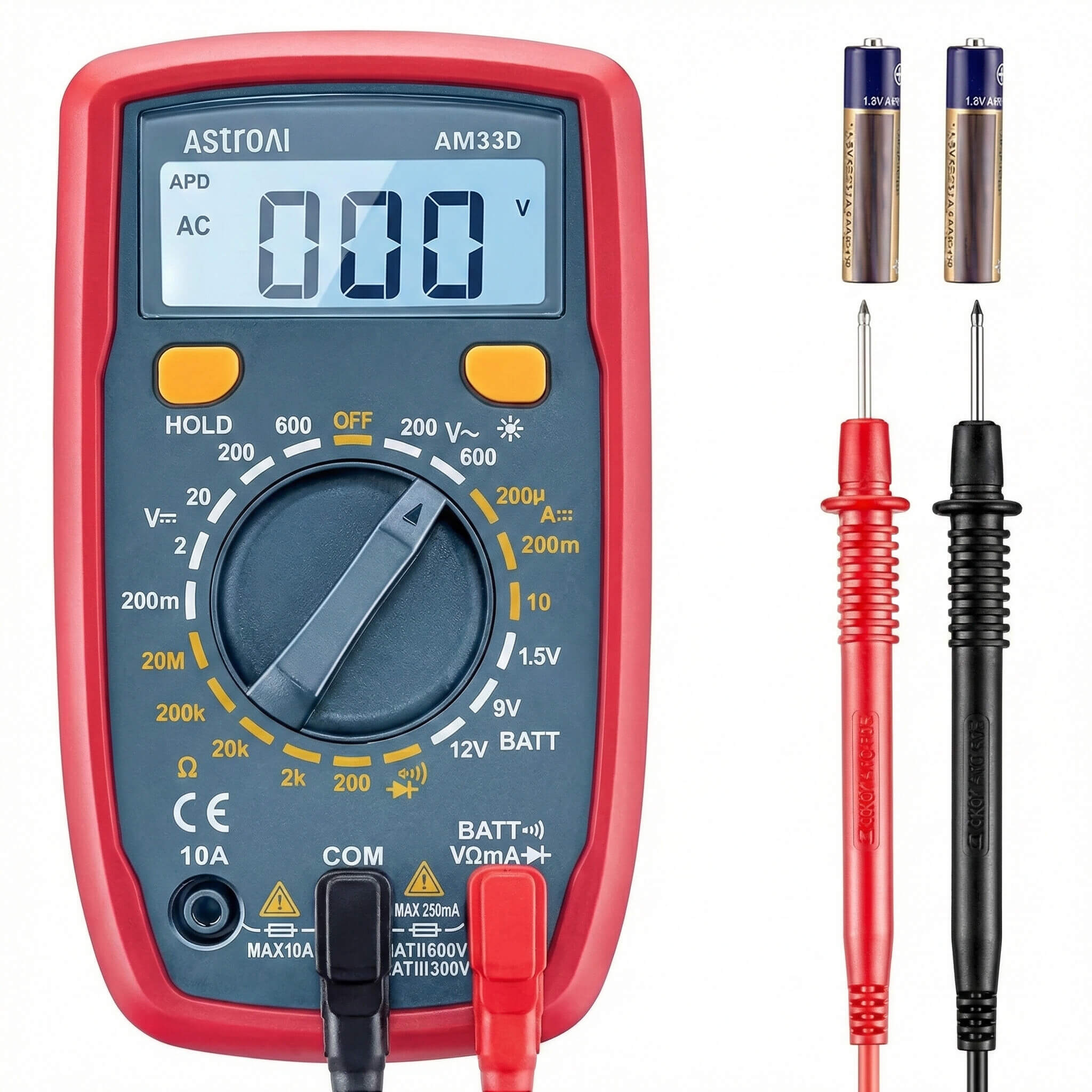
Identify the Bad Board: You may need a multimeter to test voltage at the LED connections.
-
Order the Part: You cannot buy a generic bulb; you need the specific OEM LED assembly for your model.
-
Replace: Use a putty knife to pop the LED housing out of the liner, disconnect the wire harness, and snap the new one in.
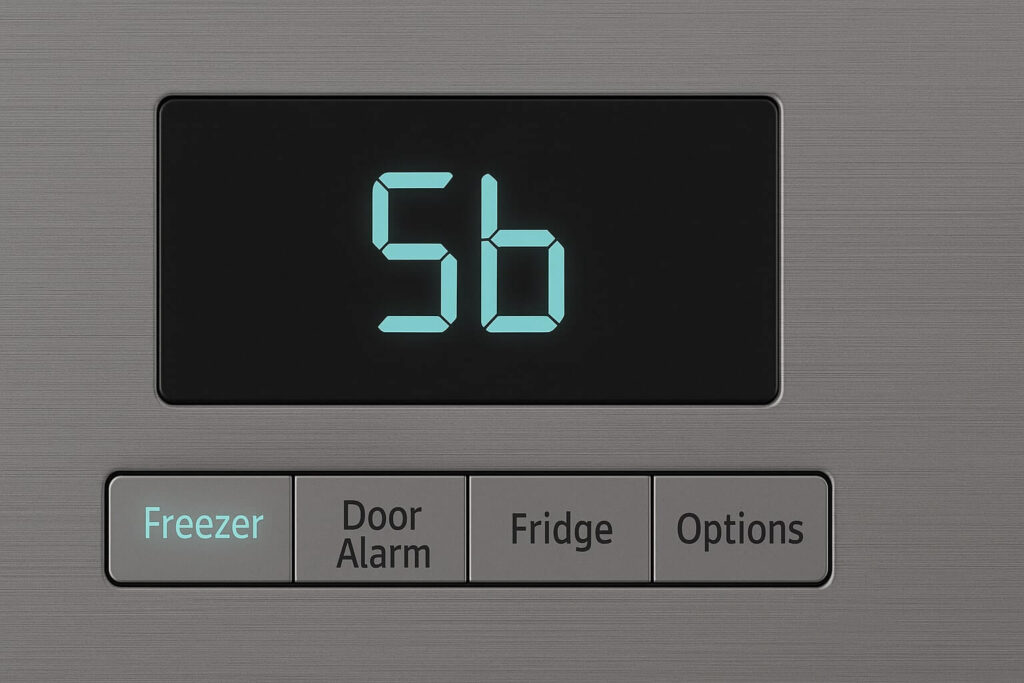
Cause #4: Sabbath Mode (Why Your Refrigerator Light Is Not Working)
This is a “hidden” setting that tricks many homeowners.
The Problem: “Sabbath Mode” is a feature designed for observant Jewish users. It allows the refrigerator to be used on the Sabbath and holidays without triggering electrical activity (like turning on a light or a fan) when the door is opened.
-
The Symptom: The fridge cools perfectly, but the lights (and display) remain off when you open the door.
How to Fix It: You need to turn Sabbath Mode off.
-
Check the Display: Look for an “Sb” or “Sabbath” indicator.
-
The Reset: Usually, you must press and hold two buttons simultaneously (like Freezer + Door Alarm or Light + Touch) for 5 seconds. Consult your user manual for your specific brand’s code.
Cause #5: A Faulty Light Socket
If the bulb is good, the switch works, and Sabbath Mode is off, the socket itself might be corroded or damaged.
The Problem: Over time, moisture can corrode the metal contacts inside the light socket. Alternatively, if a bulb was screwed in too tight, it might have bent the contact tab so it no longer touches the bulb.
How to Fix It:
-
Unplug the fridge.
-
Inspect: Shine a flashlight into the empty socket. Do you see rust or char marks?
-
The Tab Trick: If the center metal tab looks smashed flat, use a small wooden stick (not metal!) to gently pry it up slightly. Screw the bulb back in.
-
Replace: If the socket is corroded, you will need to cut the wires and splice in a new socket assembly.
Related Issues: What Else Is Broken?
A dark fridge can sometimes point to other electrical Gremlins.
-
No Cooling: If the light is out AND the compressor is silent, check the outlet. If the outlet is working but the fridge is dead, you might have a blown main control board. See our guide on refrigerator not cooling after power outage.
-
Ice Maker Issues: If the door switch is broken (stuck “open”), the fridge thinks the door is always ajar. This will disable the ice maker and dispenser. If your light is weird AND you have an ice maker not making ice, replace the door switch immediately.
Frequently Asked Questions (FAQ)
-
How do I know if my refrigerator light bulb is burnt out? The easiest way is the “shake test.” Remove the bulb and shake it gently near your ear. If you hear a rattling sound, the filament is broken. If it doesn’t rattle, try screwing the bulb into a table lamp. If it works in the lamp, the problem is your fridge socket or switch.
-
Can I use any light bulb in my refrigerator? No. You should use a bulb specifically rated for “Appliance” use (A15 size). Standard household bulbs might be too large to fit under the plastic shield, and they are not designed to withstand the cold and moisture of a fridge.
-
Why is my refrigerator light flickering? Flickering usually indicates a loose connection or a failing LED driver board. If tightening the bulb doesn’t fix the issue, the board is likely about to fail. Tap here to get the electrical panel replaced.
-
Is it expensive to replace a refrigerator door switch? No. A replacement door switch is a cheap part, usually costing between $15 and $30. It is one of the easiest DIY repairs you can do, requiring only a flathead screwdriver to pop the old one out.
Conclusion: Let There Be Light
A refrigerator light not working makes your kitchen feel broken, but it is rarely a serious issue.
Your Action Plan:
-
Check the Bulb: Unscrew it and shake it.
-
Check the Switch: Press the door plunger to see if it sticks.
-
Check the Settings: Ensure Sabbath Mode is off.
By following these simple steps, you can brighten up your appliance and stop fumbling for the milk in the dark.